

 By
By One of the most common misconceptions in fitness is that lifting weights will make women look bulky. In reality, strength training helps build lean muscle, increase metabolism, and create a toned, sculpted appearance—not oversized muscles. Women simply don’t produce enough testosterone to develop the kind of muscle mass seen in male bodybuilders.
Why This Misunderstanding Persists
Many women shy away from weights because they fear becoming too muscular. This misconception has been perpetuated by years of misinformation in fitness culture. However, the science tells a different story. Research from the Journal of the American College of Cardiology found that women who strength train twice per week reduce their overall mortality risk by nearly 20%. Despite these benefits, only about one in five women meet the recommended strength-training guidelines.
Strength training isn’t about transforming your body into something unrecognizable—it’s about improving your health, longevity, and confidence.
What Actually Causes “Bulk”
When people refer to “bulk,” they’re talking about muscle hypertrophy—an increase in muscle size caused by intense training, specific nutrition, and high testosterone levels. Since women naturally produce 15 to 20 times less testosterone than men, it’s biologically difficult to build large, bulky muscles. Instead, strength training helps women develop lean, firm muscle that defines and enhances their natural shape.
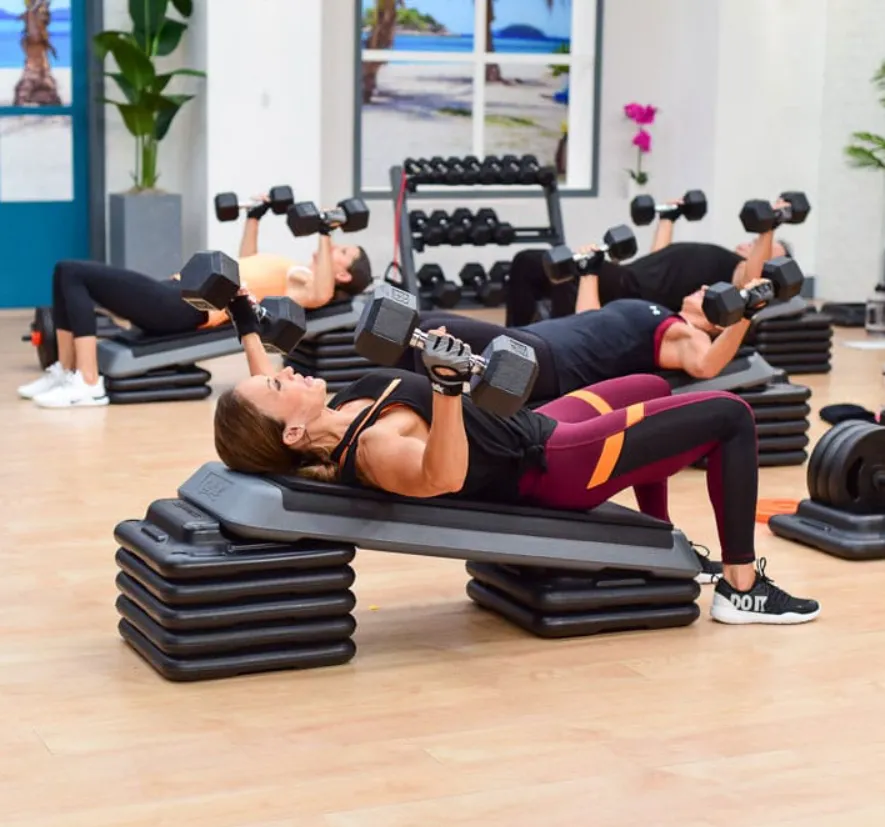
Look at professional female athletes—sprinters, gymnasts, and soccer players. They train with heavy weights regularly but still maintain sleek, athletic physiques. Strength training gives them power and endurance without excessive muscle growth.
How Women’s Bodies Respond Differently
Women’s bodies are designed to build strength in a way that enhances natural curves and balance. Because women typically carry more body fat than men, muscle growth underneath that fat creates tone and definition rather than bulk. Muscle is also metabolically active, meaning it burns calories even when you’re at rest. The more lean muscle you build, the easier it becomes to maintain a healthy weight.
Interestingly, women need less exercise time than men to achieve similar health benefits. Studies show that women can gain maximum longevity benefits with around 140 minutes of moderate-to-vigorous activity per week—about half the time required for men.
Real Benefits of Strength Training for Women
1. Improved Body Composition
Lifting weights reshapes your body by increasing lean muscle and reducing body fat. Even if your weight stays the same, your clothes will fit better, and your body will appear more toned.
2. Enhanced Health and Longevity
Strength training can reduce cardiovascular mortality risk by up to 36% for women. It also lowers the likelihood of developing type 2 diabetes and helps maintain healthy cholesterol levels.
3. Stronger Bones and Joints
Regular weight training boosts bone density, reducing the risk of osteoporosis—a condition that affects nearly one in five women over 50. Building bone strength today helps protect mobility and independence later in life.
4. Better Mental Health
Exercise improves mood and reduces anxiety, but strength training offers an additional sense of empowerment. Feeling yourself get stronger each week builds confidence that carries into all areas of life.
Why Some Women Look More Muscular
If you’ve seen women with very large muscles, they usually fall into one of three categories:
- Bodybuilders who follow intense training regimens, strict diets, and often use supplements to increase muscle mass.
- Genetic exceptions who naturally produce higher levels of testosterone.
- Professional athletes who train at elite levels beyond what most people ever attempt.
For the average woman training a few times a week, building lean, strong, and feminine muscle is the norm—not bulkiness.
How to Begin Strength Training Safely
You don’t need to start heavy. Begin with bodyweight exercises like squats, planks, and push-ups, then progress to light dumbbells or resistance bands. Focus on mastering proper form first—it’s better to lift correctly than to lift heavy too soon. Once you’re comfortable, gradually increase weight or intensity.
If you’re new to the gym, consider working with a certified trainer for a few sessions. They can design a program that fits your goals and teaches you safe technique.
Common Strength Training Myths
Myth 1: Lifting weights reduces flexibility
Fact: When performed through full ranges of motion, strength training actually improves flexibility.
Myth 2: You need excessive protein to build muscle
Fact: While protein is important, women don’t need extreme amounts. A balanced diet with sufficient protein supports recovery and muscle growth.
Myth 3: Cardio is better for weight loss
Fact: Cardio burns calories during exercise, but muscle built from strength training boosts your metabolism for 24–48 hours afterward.
Your Roadmap to Strength and Confidence
Start Simple – Begin with two sessions a week using bodyweight or light weights.
Perfect Your Form – Focus on technique to prevent injury.
Increase Gradually – Add more resistance or reps over time.
Track Progress – Record your workouts and note improvements in strength and energy.
Stay Consistent – Regular training delivers far better results than occasional bursts of effort.
The Bottom Line
Strength training doesn’t make women bulky—it makes them stronger, leaner, and healthier. It shapes the body, strengthens bones, and improves mental well-being. More importantly, it empowers women to feel capable and confident in their own skin.
Don’t let outdated myths hold you back. Lifting weights isn’t about getting big—it’s about getting strong, and strength looks good on every woman.