

 By
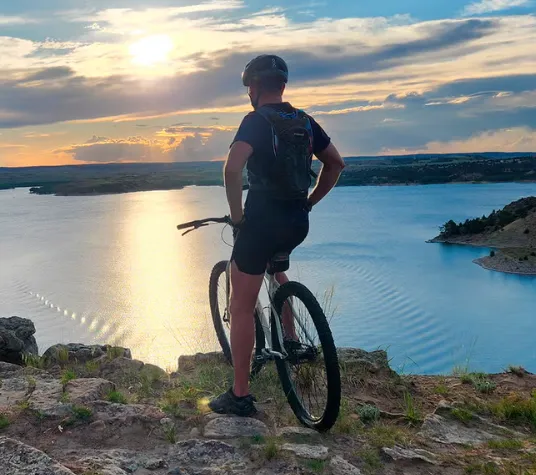
By In July 2024, 39-year-old Nash Quinn, a University of Wyoming professor and avid mountain biker, set out for a routine ride near Laramie, Wyoming, and vanished. Quinn, known for his solo trips on familiar trails, didn’t return from this ride, and despite a widespread search, he remains missing. His bike and helmet were gone, but his wallet, keys, and phone were left behind. Initially, his friends weren’t worried; Quinn often traveled light and sometimes didn’t even carry water on shorter rides. But after nearly two weeks without word, a missing person report was filed, and a massive search involving law enforcement and volunteers ensued. Sadly, no trace of Quinn was found.
This incident serves as a stark reminder that even the most routine trips into the wilderness can turn into emergencies. It’s easy to assume that a familiar route, or a short outing, carries little risk, especially if you’re fit and experienced. But as Nash Quinn’s story highlights, the wilderness doesn’t care about your expertise. Things can go wrong in an instant, and preparedness is the key to surviving it.
Nash Quinn’s disappearance is a somber reminder that we all need to be ready, no matter how familiar we are with the outdoors. Here are the vital lessons we can all learn from what happened to him.
The Myth of Experience: Why Outdoor Enthusiasts Still Need Wilderness Survival Skills
One of the most common misconceptions in the outdoor world is that frequent outdoor activities make you prepared for any situation. This is simply not true. Nash was physically fit and familiar with the trails he frequented, yet that didn’t protect him from the unexpected. Accidents and injuries can happen in an instant, and when they do, everything changes. Strength, fitness, and familiarity with the trails won’t help if you’re hurt, lost, or stuck far from help.
Confidence in your skills without proper preparation can lead to complacency — and complacency in the wilderness can be deadly. Always be prepared, even for the most routine trips.
Always Tell Someone: A Simple Step That Could Save Your Life
One of the key lessons from Quinn’s story is the importance of telling someone where you’re going and when you plan to return. No one knew his plans the day he went missing, and that delay in alerting authorities meant that search efforts didn’t begin for nearly two weeks. If Nash had simply told someone where he was going, help could have arrived much sooner.
No matter how short or familiar your trip is, always share your itinerary with someone you trust. Include where you’re going, the route you’re taking, and your expected return time. If something goes wrong, that simple habit could save your life. Apps like Strava or satellite communicators can make it even easier by allowing you to share your route and provide real-time updates to friends or family.
The Power of Technology: How Devices Can Be a Lifeline
While Nash’s minimalist approach meant he left his phone behind, technology can play a crucial role in backcountry safety. Personal locator beacons (PLBs), satellite communicators, and GPS-enabled devices can transmit your location, even in areas without cell service. Devices like the Garmin inReach or SPOT tracker can send an SOS with your exact coordinates, dramatically improving your chances of being found.
Technology is an invaluable tool, but it’s only helpful if you know how to use it. Don’t rely on it alone; combine it with essential skills and always test your devices before heading out.
Minimalism Can Be Dangerous: Why Light Packing Doesn’t Always Mean Safety
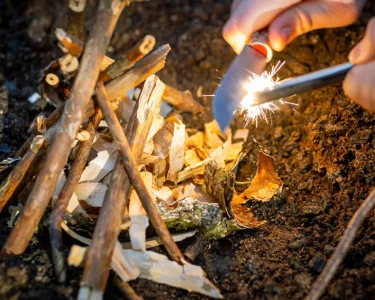
Minimalism has become a popular approach for many outdoor enthusiasts, but when it comes to wilderness safety, carrying the right gear is crucial. While ultralight gear is attractive, it’s essential to carry the basics that could keep you alive — even if that means a little extra weight. A small pack with water, shelter, fire-starting materials, and a signaling device can be the difference between life and death in an emergency.
Just like you wouldn’t ride a motorcycle without proper training and protective gear, don’t venture into the wilderness without taking the necessary precautions. Ultralight doesn’t always equal safe.
The Importance of Wilderness Medical Training: Be Prepared for Emergencies
When you’re in the backcountry, help isn’t just around the corner. It could be hours or even days before emergency responders reach you. Wilderness medical training, like Wilderness First Aid or Wilderness First Responder courses, can make the difference between life and death. Knowing how to stabilize yourself or others until help arrives can increase your chances of survival significantly.
Whether you’re treating a minor injury or dealing with something more severe, the ability to improvise and use available resources is a vital skill. This knowledge could save a life — even your own.
The Danger of Overconfidence: Why It’s Important to Stay Humble
Overconfidence is a dangerous mindset when it comes to outdoor adventures. No matter how experienced you are, the wilderness can surprise you. Experienced hikers, athletes, and even military veterans have gotten into trouble because they thought they could handle any situation. Ego can convince you to leave essential gear behind or skip safety training, assuming that you’re “good enough.” But the wilderness doesn’t care about your confidence or your past accomplishments.
The truth is, humility and preparation are vital to surviving in the wild. Taking the necessary precautions and staying humble can help you avoid putting yourself and others in danger.
Lessons Learned from Nash Quinn’s Story: How We Can Honor His Memory
Nash Quinn’s disappearance serves as a reminder of how quickly things can go wrong, even for experienced outdoors people. If he had carried a small pack with basic survival gear or informed someone of his plans, the outcome might have been different. These are not just hypothetical situations but real, life-changing decisions that could save lives.
Beyond gear and preparation, Quinn’s story also touches on the importance of mental health awareness. Sometimes, people who seem independent or strong are silently struggling. It’s essential to check in with friends, especially those who may be withdrawn. A simple conversation could make all the difference.
While Nash’s disappearance is a tragedy, it offers an opportunity for all of us to reflect on how we approach the outdoors. Being prepared isn’t about fear; it’s about respect for nature and those who care about us.
What You Can Do:
- Don’t assume experience equals readiness — always be prepared.
- Always tell someone your plans, even for short outings.
- Use technology wisely; carry it and know how to use it.
- Minimalism is not a survival strategy. Carry life-saving gear.
- Train for real emergencies, including wilderness medicine and tracking.
- Ego can kill. Stay humble and prepared.
- Check in on friends, especially those who seem withdrawn or isolated.
Nash’s story is more than just a cautionary tale — it’s a call to action. By being better prepared, we can reduce the risks and increase our chances of making it home safely. If you take anything away from this, let it be this: preparedness is love. It’s about respect for the wild, the people who care about us, and the lives we can save by being ready.
Stay safe out there.