

 By
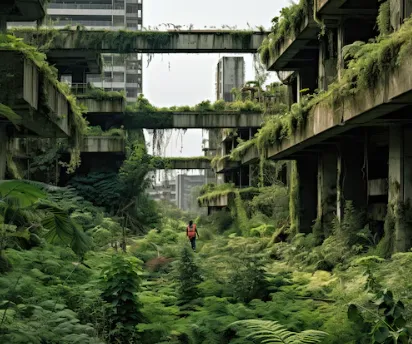
By In recent years, the world has become increasingly unpredictable. Natural disasters, power outages, economic disruptions, and even civil unrest have turned everyday urban life into a potential survival scenario. In a city like Denver, what begins as a typical day can quickly shift into a crisis. While the wilderness offers its own set of challenges, the concrete jungle demands a different kind of preparedness. But what if the skills honed in the mountains could be applied to city life? At The Survival University, we’ve spent years teaching wilderness survival techniques, and now, we’re adapting those lessons for urban environments to help you thrive when the unexpected strikes.
Why Urban Survival Is More Important Than Ever
Cities are designed for convenience, but that convenience comes with fragility. A sudden snowstorm can paralyze traffic, a blackout can leave neighborhoods in darkness, and a supply chain failure can clear grocery shelves in hours. In the Denver area, we’ve seen everything from wildfires to flash floods, proving that urban environments can be just as dangerous as remote wilderness when things go awry. That’s why urban survival training is crucial. By applying wilderness skills like navigation, shelter building, and situational awareness, you can manage the risks that arise in a city crisis.
Navigation Without Tech: Finding Your Way in a Blackout
In modern urban life, we rely heavily on apps like Google Maps or Uber to guide us through the city. But when the grid goes down, or your phone dies, these technologies become useless. Wilderness navigation teaches you how to read the land—using natural landmarks, the position of the sun, or even a compass. In the city, this means paying attention to the orientation of the streets, the layout of the skyline, or even the distant mountains. Knowing your city’s grid and carrying an old-school map or road atlas can help you find your way when tech fails.
A quick urban navigation hack is using your watch as a makeshift compass. In the northern hemisphere, point the hour hand at the sun, and the halfway point between the hour hand and the 12 o’clock mark will give you a general direction of south. This simple technique can help you stay oriented in unfamiliar surroundings during a crisis.
Shelter in the Urban Wild: Finding Refuge When You Need It
In the wild, a shelter protects you from the elements. In the city, shelter is just as vital but for different reasons—whether it’s protecting you from falling debris, looters, or cold weather during a power outage. However, just because a building seems like a safe spot doesn’t always mean it is. In a crisis, taking refuge in a random store or abandoned building can expose you to risks like unstable structures or dangerous individuals. It’s important to assess each potential shelter for safety and make sure there are multiple escape routes in case you need to leave quickly.
Urban survival teaches you to improvise. In a city, shelters can be made from debris—like using plastic sheeting, cardboard, or tarps to create cover. In extreme cold, trash bags can act as makeshift insulation. These methods, while unconventional, can help you stay warm and safe. But remember, always pick a shelter that’s stable and free from hazardous materials like exposed wires or broken glass.
Scavenging: Turning the City’s Waste Into Resources
One of the most critical skills in both the wilderness and the city is resourcefulness. In the wild, you learn to use what nature provides—whether it’s fire-starting materials, food sources, or building supplies. The same mindset applies in the urban jungle. Old pallets, discarded cans, and even plastic bottles can be repurposed for various needs, from making a fire to creating a water container.
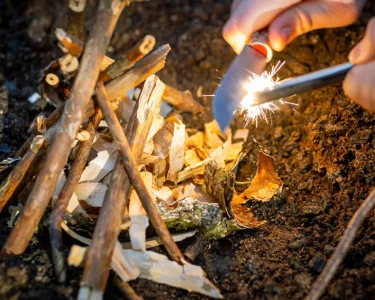
For instance, fire-starting in the city is much like the wilderness. Items like dryer lint, cardboard, and even snack wrappers can be used to catch a spark. Once you have a fire going, urban debris such as wooden pallets can keep the flames strong. This level of ingenuity can be a game-changer when resources are scarce, and you’re faced with a citywide crisis.
Water: The Lifeline in an Urban Emergency
Finding clean water in the wilderness can be challenging, but urban environments present their own set of difficulties. Tap water may be contaminated, or grocery store shelves may be emptied during a crisis. Wilderness survival training helps you think outside the box. You can scavenge for water in places many people overlook, like the back of a toilet tank, the hot water heater in a building, or even empty office water coolers.
To ensure the water you find is safe, it’s crucial to purify it. Boiling water for at least three minutes will kill most bacteria and viruses. And while filters can help, they don’t guarantee 100% safety, so it’s important to be cautious and use multiple purification methods if possible. Carrying a durable, heat-resistant container like a stainless steel bottle is essential in such situations.
Situational Awareness: Reading Your Urban Environment
One of the key survival skills learned in the wilderness is situational awareness. In the city, this skill can save your life. Urban environments are filled with distractions—people, noise, and endless stimuli that can cause you to tune out your surroundings. But in a crisis, being aware of subtle cues, like a shift in the crowd or an unusual noise, can provide critical early warnings of danger.
To sharpen your awareness, practice the same method we use in the wild: stop every few minutes, look around, and note five things you can see, hear, or smell. Whether it’s a blocked alley, a car alarm, or an uncomfortable vibe from a group of people, this technique helps you stay alert and ready to respond.
Medical Skills: Be Your Own First Responder
In an urban disaster, help may not arrive immediately. When someone is injured, every second counts. Wilderness first aid techniques—like how to stop bleeding, clear airways, or stabilize fractures—are just as valuable in a city. Knowing how to perform basic medical tasks can buy someone crucial time until emergency services arrive.
Training in wilderness medicine, such as our Wilderness First Responder course, equips you with the skills to improvise first aid when you don’t have access to medical supplies. These skills are vital, as they allow you to address life-threatening situations when every moment counts.
Mental Resilience: Staying Calm Under Pressure
The ability to remain calm in a crisis is one of the most valuable survival skills you can develop. In the wilderness, we train to stay steady during storms, injuries, or a wrong turn. In the city, the challenges are different—traffic jams, looting, or even civil unrest. Panic can make the situation worse, which is why mental resilience is crucial.
A simple technique to help calm yourself in high-stress situations is box breathing: inhale for four counts, hold for four counts, exhale for four counts, and hold again. This method helps regulate your heart rate and clear your mind when chaos surrounds you.
Urban Survival: A Mindset, Not Just a Skill Set
Urban survival isn’t just about knowing what gear to carry or which tactics to use; it’s about cultivating the right mindset. Awareness, resourcefulness, and staying grounded in a crisis can make the difference between survival and disaster. Whether you’re navigating a blackout, scavenging for resources, or simply staying calm during civil unrest, the skills you learn in wilderness survival can help you face the challenges of urban life.
At The Survival University, we teach not only the technical aspects of survival but also the mental and physical resilience needed to thrive in any environment. Whether you’re facing the wilds of the backcountry or the concrete jungle of the city, these skills will keep you safe and prepared for whatever comes next.