

 By
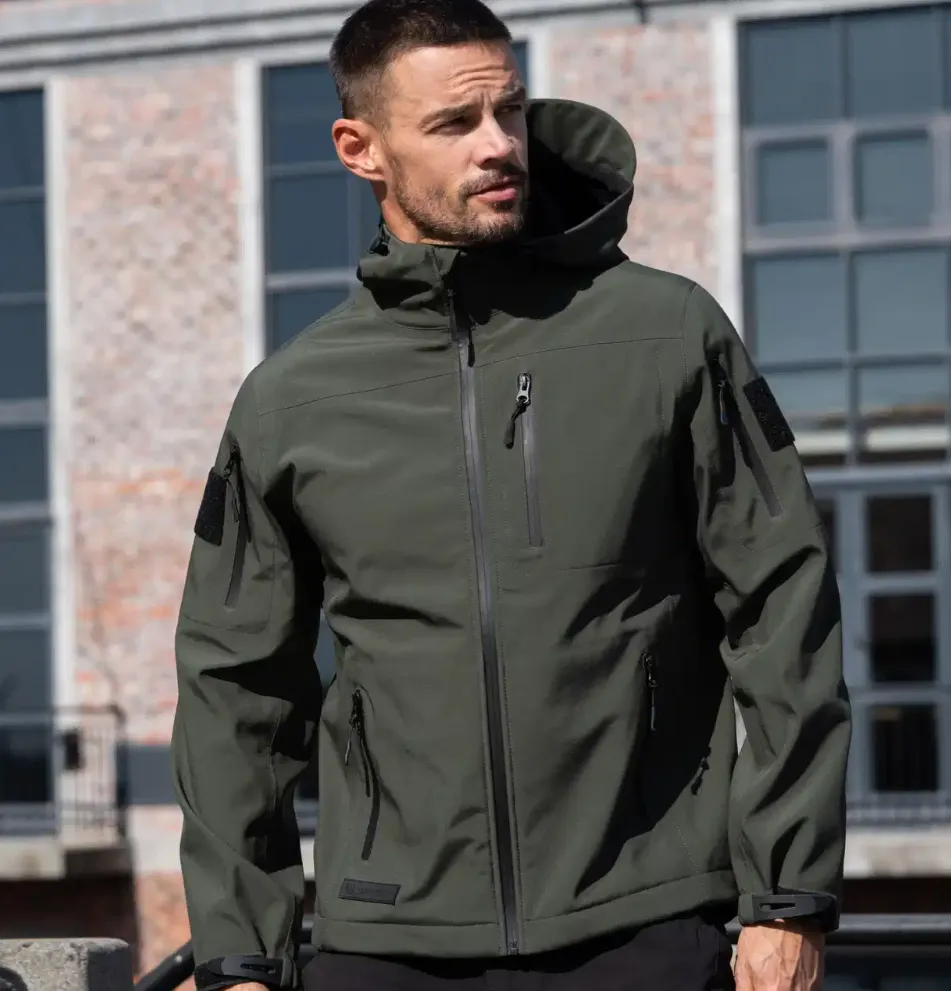
By Softshell jackets have undergone significant evolution over the years. What started as a category focused primarily on breathability and quick drying has now expanded into a wide range of options with varying levels of weather protection, insulation, and breathability. Whether you’re looking for a jacket for light outdoor activities or something that can handle more extreme conditions, understanding the different types of softshell jackets and their functions can help you make the best choice for your needs.
What is a Softshell Jacket?
Softshell jackets have transformed from their original designs into various functional types. Early versions prioritized breathability and windproofing over waterproofing, providing a wind-resistant, insulating shell that worked well in less extreme weather conditions. These jackets were made from materials that allowed for air permeability, combined with insulating fleece or similar materials on the interior. This allowed for moisture to be wicked away from the body while maintaining a comfortable microclimate next to the skin.
In the past, the main compromise was between waterproofing and breathability. Softshell jackets would sacrifice full waterproofing for better breathability, which made them perfect for active pursuits where body heat and moisture would be naturally ventilated. Even light rain wouldn’t be a problem, as the fabrics used could dry quickly thanks to their high vapor transfer rates. Even when wet, these jackets maintained comfort by keeping moisture away from the body through their unique inner linings.
The Evolution of Softshell Jackets
The softshell jacket category has expanded in several directions, making it difficult to define just one type of jacket as a “softshell.” Some modern versions still maintain the basic features of the original designs, offering a windproof, water-resistant exterior with added insulation. These jackets work well for light precipitation but are not intended for heavy rain or extreme weather conditions.
On the other hand, newer versions of softshell jackets have advanced significantly, offering the same waterproof protection as traditional hard shells but with improved breathability, softer fabrics, and better comfort. These jackets represent a bridge between the original concept of softshells and the more robust weather protection of hard shells, making them suitable for a wide range of outdoor activities.
The core challenge manufacturers face remains the balance between waterproofness and breathability. Depending on the intended use, some jackets lean more toward weather resistance, while others prioritize breathability for active pursuits. As a result, softshell jackets now exist across a spectrum, from those offering minimal protection and maximum breathability to those providing high-level waterproofness while maintaining a relatively soft feel.
Choosing the Right Softshell Jacket for Your Needs
With the variety of options available today, selecting the best softshell jacket comes down to identifying your specific needs and understanding where your activity falls on the waterproof vs. breathability spectrum.
Conditions and Activities
The key question when choosing a softshell jacket is: What kind of weather will you be facing, and how active will you be? For mild conditions and activities that involve moderate exertion, you may want a jacket with greater breathability. These lighter designs, often made with just a water-resistant coating (DWR), are ideal for activities like hiking, climbing, or running, where you want to stay comfortable and dry without overheating.
If you expect to encounter harsher conditions, such as colder weather or light snow, you might prefer a jacket that offers a higher level of waterproof protection while still providing breathability. These jackets use more advanced fabrics to keep you dry in light precipitation while still allowing your body heat to escape.
Fabric Technology and Price
The price of a softshell jacket can vary widely, depending largely on the type of fabric used. Jackets made with newer fabrics that offer higher levels of waterproofness while maintaining breathability tend to be more expensive. On the other hand, jackets with simpler materials, relying on a durable water repellent (DWR) coating, are often more affordable but may not provide as much protection in heavy rain.
Fit and Comfort
Modern softshell jackets also prioritize comfort and fit, often offering greater flexibility and a softer hand compared to traditional hard shells. These jackets tend to be more comfortable for movement, making them perfect for active endeavors. If you’re planning to wear the jacket over layers, be sure to choose one with a fit that accommodates your clothing underneath, but also offers freedom of movement.
Conclusion
The best softshell jacket for you depends on your specific needs and the conditions you expect to face. Whether you’re after a lightweight, breathable option for aerobic activities or a more robust jacket that provides greater weather protection, there’s a softshell jacket that fits your requirements. Understanding the trade-off between waterproofness and breathability, and the associated fabric technologies, will guide you toward the perfect jacket for your next outdoor adventure.