

 By
By Mountaineering is one of the most rewarding and demanding outdoor pursuits. Whether you’re traversing snowfields, navigating glaciers, or climbing steep alpine terrain, having the right gear is essential for safety and success. This guide covers the key pieces of technical mountaineering equipment you’ll need for your next climb and offers insights to help you choose the right options for your objectives.
Choosing the Right Backpack
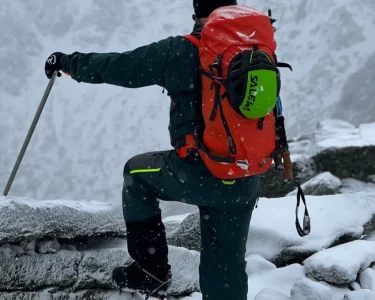
A reliable backpack is the foundation of any mountaineering trip. For multi-day expeditions, a 50- to 60-liter pack is ideal. A 60-liter pack provides extra room for layers, food, and group gear like ropes and pickets. If you prefer traveling light, a 50-liter option can work for shorter, less technical climbs.
When selecting a pack, keep the following in mind:
- Fit and comfort: Choose one that matches your torso length and distributes weight evenly on your hips and shoulders.
- Weight: Lighter packs reduce strain, but may sacrifice structure and durability.
- Durability: Look for reinforced materials that can withstand sharp tools like crampons and ice axes.
- Accessibility: External attachment points for items such as ice axes or helmets are a must for convenience.
Eye Protection for Glacier Travel
Sunlight reflecting off snow can cause snow blindness, so quality eyewear is critical. Glacier glasses with dark lenses protect your eyes from intense glare, while clear lenses or goggles are useful for early morning alpine starts or windy conditions. Always carry both options.
Balancing Performance and Budget
Technical mountaineering gear can be expensive, and finding the right balance between quality, weight, and cost is key. Lightweight gear often comes with a higher price tag, while budget-friendly options may be heavier. Renting or borrowing equipment is a good idea when you’re starting out, and over time, you can upgrade based on your climbing goals and preferences.
Mountaineering Boots
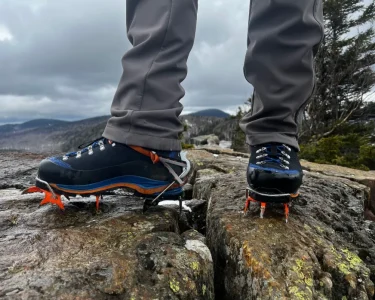
Boots are among the most important investments for a climber. The right pair provides warmth, traction, and support across icy and rocky terrain.
Types of mountaineering boots:
- Half shank: Ideal for moderate climbs and general glacier travel.
- Full shank: Rigid soles suitable for steeper snow or ice.
- Plastic boots: Designed for extremely cold conditions and high-altitude climbs.
Fit is everything—try boots on with your climbing socks and make sure your toes don’t hit the front when descending. Proper fit prevents blisters and improves stability.
Crampons
Crampons are essential for traction on snow and ice. They come in two primary materials:
- Steel: Durable and suitable for mixed terrain with rock and ice.
- Aluminum: Lightweight and best for snow-only routes.
Attachment systems vary by boot type:
- Strap-on: Universal and fits most boots.
- Hybrid (semi-automatic): Requires a heel welt for a secure fit.
- Step-in (automatic): Offers the most secure connection but requires both heel and toe welts.
Always test your crampons with your boots before your climb.
Ice Axe
A sturdy ice axe is vital for self-arrest and balance. Choose a length that reaches your ankle when held at your side. Steel heads offer better durability and performance than aluminum. Pair your axe with a simple leash or webbing for added security. Avoid technical ice tools with curved shafts unless you’re climbing vertical ice.
Glacier Rope
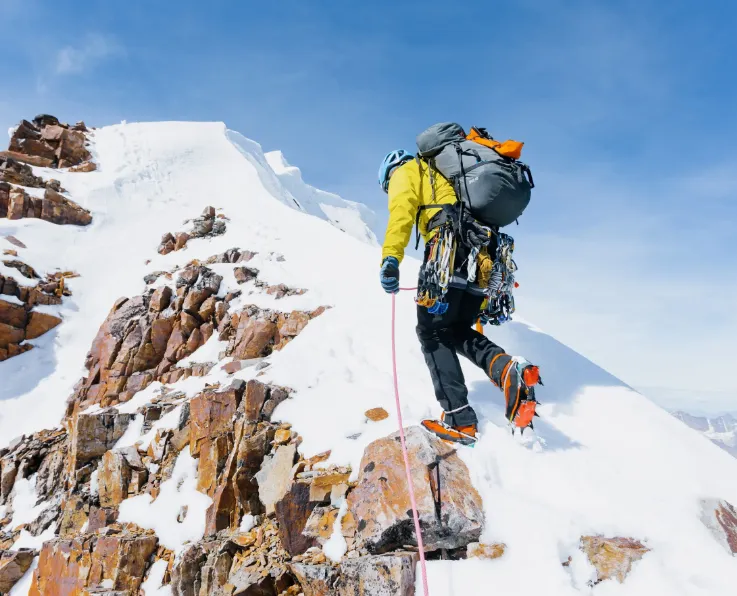
For glacier travel, a dry-treated rope prevents water absorption and reduces weight. Ropes between 40 and 60 meters in length and around 8mm in diameter are standard. Shorter ropes work for smaller teams, while longer ropes suit larger parties. As glacier ropes are often shared, coordinate with your team to avoid carrying duplicates.
Harness and Helmet
A comfortable harness with gear loops is essential. It should fit over multiple clothing layers and allow easy movement. For safety, your climbing helmet should meet UIAA or CE certification standards. Hard-shell helmets are more durable, while soft-shell versions are lighter but handle fewer impacts.
Carabiners and Climbing Gear
Carabiners are the workhorses of your technical kit. Bring at least four locking carabiners (two HMS types for belaying) and four non-locking ones for gear attachments. Mark your gear with nail polish or colored tape to distinguish it from others.
A belay device with guide mode is versatile for both top-belaying and rappelling. Include a pulley for crevasse rescue systems, and bring prusik cords and webbing for self-rescue or anchors.
Anchors and Snow Tools
Snow pickets serve as anchors for rescues and tent setups. Choose a 24-inch picket with multiple attachment holes for flexibility. Tubular webbing can double as an anchor or emergency chest harness. Nylon runners are budget-friendly but heavier than Dyneema alternatives.
Wands are another useful tool—they help mark routes in whiteout conditions and can easily be made from garden stakes and tape.
Navigation and Safety
A reliable compass with adjustable declination and a topographic map are must-haves. Batteries can fail in cold conditions, so having analog navigation tools as a backup is essential. A compass with a mirror allows for more accurate bearings.
Optional: Trekking Poles
Collapsible trekking poles reduce knee strain on long descents and provide stability on uneven ground. They’re especially helpful on long approaches or when your ice axe isn’t needed.
Final Thoughts
Every mountaineering trip demands thoughtful preparation and the right technical gear. Start with versatile, durable equipment and refine your setup as you gain experience. The right tools not only enhance performance but also keep you safe in unpredictable mountain conditions. Whether you’re scaling the Cascades or tackling your first glacier climb, investing in proper gear is the foundation for a successful and memorable mountaineering adventure.