

 By
By Hiking is one of the simplest ways to enjoy nature, get some exercise, and clear your mind. The best part? You don’t need fancy gear to get started. If you have a pair of sneakers, athletic clothes, and a backpack, you’re already well on your way. With a few essentials like snacks, water, and an extra layer, you can hit the trail with confidence. Over time, as you gain more experience, you’ll naturally figure out which gear upgrades make sense for your style and comfort.
Getting Started: The Basics
When you’re new to hiking, don’t feel pressured to buy expensive equipment. Start with what you already own and see how it feels. Once you know what works and what doesn’t—like whether you prefer a lighter pack or need sturdier shoes—you can slowly invest in gear that suits your preferences. Hiking should be about the experience, not the brand names on your equipment.
Backpack Essentials
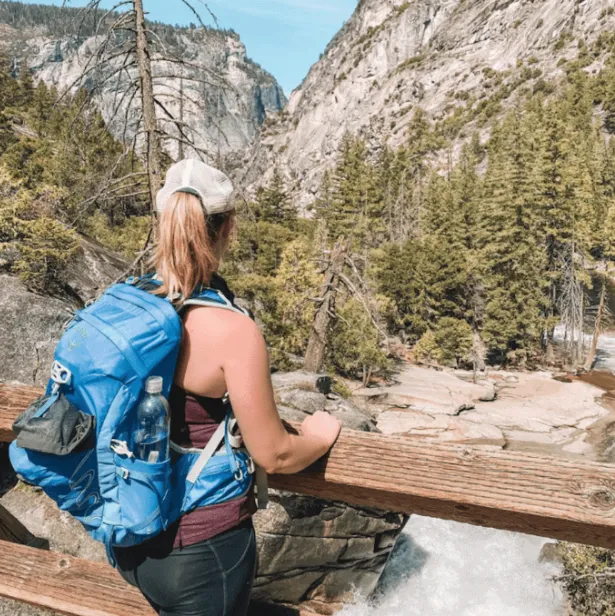
A small daypack between 15 and 25 liters is ideal for most hikes. If you have an old school or commuter backpack, that will do just fine for your first few outings. When choosing a pack, pay attention to how it fits your shoulders and back. If it feels uncomfortable while walking around the house, it won’t feel any better after a few uphill miles.
A good hiking backpack has padded straps, a ventilated back panel, and adjustable belts that help balance the weight. The goal is to keep it snug without digging into your shoulders. Before you buy a technical pack, test out what you already have—you may be surprised how well it performs.
Footwear: Boots or Shoes?
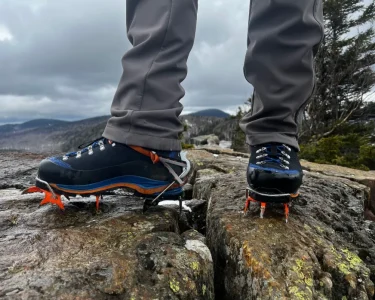
Finding the right footwear can make or break your hiking experience. Traditional hiking boots provide ankle support and durable soles that protect against rocky terrain. They’re great for longer trails or when you’re carrying a heavy pack.
However, many hikers now prefer trail-running shoes or lightweight hiking shoes, which allow more flexibility and faster movement. They’re comfortable, breathable, and great for well-maintained trails. The best advice? Use what you already own for your first few hikes, then upgrade once you know what feels best.
If you’re prone to knee pain or plan to hike steep terrain, trekking poles can also be a smart addition for balance and joint support.
Clothing: Layer for Comfort
What you wear hiking depends on the weather and terrain, but one rule applies everywhere—avoid cotton. Once cotton gets wet, it stays wet, which can lead to discomfort or even hypothermia in colder conditions. Opt for quick-drying synthetics or merino wool instead.
Bottoms
Lightweight hiking pants or leggings work well for most conditions. In hot weather, breathable shorts are a solid option, while in cooler months, base layers under hiking pants provide warmth. If rain is in the forecast, consider packing a pair of rain pants that can easily slip on over your boots.
Tops
Choose moisture-wicking T-shirts or tank tops that won’t rub against your backpack straps. Even on warm days, always bring a light long-sleeve or base layer in case the temperature drops or wind picks up. A thin fleece or mid-layer is also useful for cooler conditions.
Jackets
Pack a lightweight insulated jacket for breaks or high-elevation trails where it’s colder. A rain shell or windbreaker is essential if the weather looks unpredictable. Even in summer, mountain weather can change quickly, and a good outer layer will make a big difference.
Socks
Wool or synthetic-blend hiking socks are the best defense against blisters. Avoid thin cotton socks—they trap moisture. Bring an extra pair if you’re prone to sweaty feet or plan a longer hike.
Accessories for Every Season
Even on short hikes, a few small items can make a big difference in your comfort level.
- Hat or beanie: A brimmed hat keeps the sun off your face, while a beanie keeps your ears warm in chilly conditions.
- Neck gaiter: Protects from wind, sun, or cold. It can double as a headband or face cover.
- Gloves: Lightweight liners are perfect for cool mornings or shaded trails.
- Sunglasses: Don’t underestimate UV exposure, especially around snow or reflective surfaces.
- Sunscreen: Apply even on cloudy days—UV rays can penetrate clouds.
Food and Hydration
The amount of food and water you bring depends on the length and difficulty of your hike. For shorter outings, one to two liters of water is usually enough. If you’re hiking near streams or lakes, a small water filter or purification tablets can reduce how much water you carry.
As for food, choose snacks that pack energy without spoiling in the heat. Some great options include:
- Trail mix or nuts
- Energy bars or granola bars
- PB&J sandwiches or wraps
- Dried fruit or jerky
- Cheese and crackers
Always pack a bit more than you think you’ll need—hikes often take longer than expected, and extra snacks are never a bad idea.
The Ten Essentials
Even for a short day hike, always bring the Ten Essentials—a list designed to keep you safe and prepared:
- Navigation (map, compass, or GPS app)
- Sun protection (hat, sunglasses, sunscreen)
- Insulation (extra clothing)
- Illumination (headlamp or flashlight)
- First-aid supplies
- Fire starter (matches, lighter, or flint)
- Repair kit and tools (knife, duct tape)
- Nutrition (extra food)
- Hydration (extra water)
- Emergency shelter (space blanket or bivy)
You may not need to use them, but if something goes wrong, these items can make all the difference.
Hike with Friends and Leave No Trace
Sharing the trail with friends or family makes the experience safer and more enjoyable. Companions can help with navigation, motivation, or even just taking turns leading the way.
And of course, practice Leave No Trace ethics—pack out everything you bring in. Carry a small bag for trash and store used toilet paper or wipes in a sealed container. Respect wildlife, stay on the trail, and leave nature as you found it.
Final Thoughts
Day hiking doesn’t need to be complicated. With a bit of preparation and the right essentials, you can safely explore trails near and far. Start small, pay attention to what makes you comfortable, and build your gear collection slowly over time. The most important thing is to get outside, enjoy the fresh air, and discover the simple joy of putting one foot in front of the other.