

 By
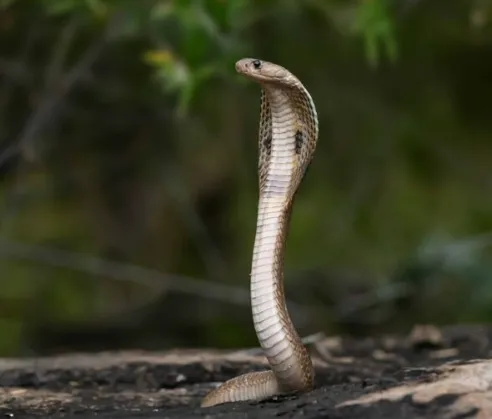
By Snakes have a bad reputation, and for good reason. Many people fear these slithering creatures, but the reality is that snake bites resulting in death or serious injury are incredibly rare. In fact, less than 0.01% of human deaths are attributed to snake bites, and in the U.S., there are usually only around five fatalities each year. Globally, snakes cause around 138,000 deaths annually, but humans are responsible for about 22% of reptile deaths each year.
So while it’s perfectly natural to be cautious around snakes, it’s important to keep in mind that the risk is far lower than many assume. The best way to stay safe is to focus on prevention and understanding what to do in the unlikely event that you or a companion is bitten.
Prevention: Avoiding Snake Bites
As with any wilderness safety issue, prevention is the first line of defense. By taking a few simple precautions, you can significantly reduce your chances of a snake encounter.
1. Know Where Snakes Are Likely to Be
Snakes are ectothermic, meaning they rely on external sources of heat to regulate their body temperature. On warmer days, you’ll likely find them basking in sunny spots like rock outcroppings, trails, or roads. When it’s cooler, they may be hiding in piles of rocks, wood, or leaves.
2. Keep Your Distance
Snakes can become defensive if they feel threatened, and unlike humans, they don’t have fists or feet to fight back—they rely on their fangs. If you encounter a snake, the best thing to do is back away slowly and give it space.
3. Wear Protective Gear
If you’re heading off-trail or exploring less-traveled paths, wear boots and thick pants. Although nearly half of all snake bites in the U.S. occur on the arms (often from men reaching out), the majority of bites happen to the lower legs and feet. Protective footwear can help minimize this risk.
What to Do if You’re Bitten
Despite your best efforts, accidents happen. If you or someone you’re with is bitten by a snake, staying calm is key to minimizing the effects of the bite.
1. Stay Calm
Panic can make everything worse. Focus on keeping the person calm and still to slow the spread of venom through their bloodstream.
2. Recognize the Symptoms
After a snake bite, look for signs of envenomation (venom entering the bloodstream), which may include:
- Swelling or redness around the bite
- Pain or tenderness
- Bruising
- Bleeding from the bite site
- Nausea or vomiting
- Dizziness, fainting, or loss of consciousness
Remember, not every snake bite results in envenomation. Some snakes may deliver a “dry bite” without releasing venom, so it’s essential to stay alert for these symptoms.
3. Remove Tight Clothing or Jewelry
If the bite is on an arm or leg, remove any tight clothing, rings, or watches near the wound. These could restrict blood flow and make things worse.
4. Clean the Wound and Dress It
Gently clean the bite area with clean water and apply a sterile dressing. Do not attempt to wash the wound with alcohol, as this can cause irritation.
5. Get to Medical Help
Seek medical attention as soon as possible. Call the hospital ahead of time to let them know you’re on your way, so they can prepare for antivenin (antivenom) treatment. Antivenin is most effective if administered within six hours of the bite.
6. Watch for Anaphylaxis
Be on the lookout for signs of an allergic reaction, such as swelling of the face or throat, difficulty breathing, or a rapid pulse. If these symptoms occur, use an epinephrine auto-injector if available.
Snake Bite “Don’ts”: What NOT to Do
It’s important to know what not to do in the event of a snake bite. Missteps can make the situation much worse. Here are some critical mistakes to avoid:
1. Don’t Kill the Snake
Although it might be tempting to kill a snake after a bite, this is dangerous for both the snake and anyone nearby. A dead snake, or even a decapitated head, can still deliver venom. It’s better to move away safely and focus on treating the bite victim. If possible, get a picture of the snake to help identify it, which can assist in treatment, but only if it can be done safely.
2. Don’t Cut the Wound or Suck the Venom
Contrary to popular belief, cutting the bite area or trying to suck out the venom is not only ineffective but can lead to additional tissue damage and infection. Studies have shown that this method does not help and may make things worse.
3. Don’t Use a Tourniquet
While it may seem like a good idea to restrict the flow of venom, applying a tourniquet can actually concentrate the venom in one area, leading to more tissue damage and potential complications.
4. Don’t Apply Ice
Applying ice to the bite site doesn’t neutralize the venom; in fact, it can reduce blood circulation and trap the venom in a smaller area, making the situation worse.
5. Don’t Use Electricity
Using a taser or other electric device to neutralize the venom is ineffective and can cause additional harm. It won’t stop the venom from spreading and will increase pain and tissue damage.
Conclusion
While snakes can be intimidating, understanding how to prevent bites and what to do if one occurs can help you handle the situation safely. Snake bites in the U.S. are rare and rarely fatal, but knowing how to respond can be the difference between a minor inconvenience and a serious emergency. By following the precautions listed above and avoiding common mistakes, you can reduce your risk and stay safe in snake-prone areas.
So, remember: Stay calm, be prepared, and know what steps to take to ensure that a snake encounter doesn’t turn into a serious problem.