


 By
By When faced with a life-threatening situation, knowing what to focus on first can make all the difference. The “Rule of Threes” provides a simple yet effective framework for prioritizing survival needs. It reminds us that the human body can endure only so much without air, shelter, water, food, and—just as importantly—hope and human connection. By following these principles, you can stay calm, act efficiently, and increase your chances of survival in almost any environment.
The Expanded Rule of Threes
Traditionally, the Rule of Threes states that a person can survive:
- 3 minutes without air (or in cases of severe blood loss)
- 3 hours without shelter in extreme weather
- 3 days without water
- 3 weeks without food
However, two often overlooked factors are just as critical:
- 3 seconds without hope
- 3 months without human contact
Together, these six principles outline both the physical and psychological essentials for survival.
3 Seconds Without Hope: The Survival Mindset
Survival begins in the mind. Without mental strength, even the most prepared individual can fail. Losing hope or giving in to panic can be fatal in a crisis. The ability to stay calm, focused, and optimistic gives you the clarity to make smart decisions under pressure.
Why mindset matters:
Stress triggers the body’s fight-or-flight response, which can lead to rash choices. Staying grounded allows you to analyze the situation, prioritize effectively, and act with purpose.
How to build mental resilience:
Push yourself through small discomforts in training—cold nights outdoors, long hikes, or other controlled challenges. These experiences teach you to manage fear and uncertainty.
Stay positive:
Focusing on small successes—like building a fire or finding clean water—can sustain your morale. Hope is your strongest survival tool.
3 Minutes Without Air: Oxygen and Blood Loss
Oxygen deprivation is one of the most immediate threats to life. Whether caused by drowning, smoke inhalation, or injury, you have only minutes to act.
Preventing asphyxiation:
Always have an escape plan for fires or enclosed spaces. Install smoke and carbon monoxide detectors at home, and if you’re in a car during a snowstorm, crack the windows and keep the exhaust clear.
Handling severe bleeding:
Learn basic first aid, including how to apply pressure to wounds and use a tourniquet. Keep your first aid kit stocked with hemostatic agents and absorbent dressings. Stopping blood loss within minutes can prevent shock and save a life.
Stay calm under pressure:
Panic accelerates oxygen depletion. Control your breathing and focus on efficient, deliberate actions.
3 Hours Without Shelter: Exposure to the Elements
After securing oxygen and addressing injuries, your next priority is protection from the environment. Extreme cold, heat, or wet conditions can incapacitate you in just a few hours.
Cold weather:
Hypothermia is a major risk, even in temperatures above freezing. Layer clothing, stay dry, and insulate yourself from the ground.
Heat exposure:
In hot climates, shade is your best ally. Create a shelter using natural materials or carry a compact tarp to protect against the sun.
Emergency preparedness:
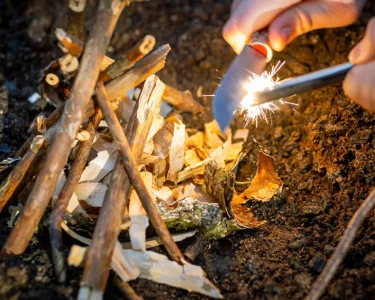
Keep a small emergency kit with essentials such as a Mylar blanket, poncho, and fire-starting tools. Practicing how to build a shelter before you need one could be life-saving.
3 Days Without Water: Dehydration
Water is essential for every bodily function. Even mild dehydration can impair judgment and coordination.
Finding and purifying water:
Learn to identify natural sources like streams, springs, or dew on vegetation. Always purify water before drinking—boiling, filtering, or using purification tablets are reliable methods.
Water conservation tips:
If water is scarce, avoid strenuous activity during the heat of the day. Travel in the evening or early morning, and refrain from eating when you have no water since digestion increases thirst.
3 Weeks Without Food: Sustaining Energy
While humans can survive weeks without food, lack of nutrition weakens the body and mind over time.
Sourcing food in the wild:
Knowledge of edible plants, insects, and small game can sustain you when conventional food sources are gone. Fishing, trapping, and foraging are essential skills for long-term survival.
Mental impact:
Hunger drains energy and morale. Focus on small, achievable goals to keep your motivation high. In survival situations, adaptability and creativity matter more than comfort.
3 Months Without Human Contact: The Need for Connection
Isolation can be as dangerous as any physical threat. Prolonged loneliness erodes mental health, leading to depression, confusion, and loss of purpose.
Why connection matters:
Humans are social creatures; shared purpose and companionship enhance our resilience. In group survival scenarios, cooperation often determines success.
Coping with solitude:
If isolation is unavoidable, keep your mind active. Write, talk to yourself, set goals, and find comfort in routine. Observing nature and maintaining curiosity can help preserve your mental stability.
Applying the Rule of Threes
When disaster strikes, use the Rule of Threes as your mental checklist:
- Stay calm and focused (3 seconds without hope).
- Ensure you can breathe and stop any bleeding (3 minutes without air).
- Find or build shelter (3 hours without protection).
- Locate and purify water (3 days without hydration).
- Seek food only after securing water and shelter (3 weeks without sustenance).
- Stay connected to others or maintain mental balance (3 months without human contact).
By prioritizing these steps, you can turn chaos into order, making it easier to survive even under extreme conditions.
Final Thoughts
The Rule of Threes isn’t just a list—it’s a mindset for managing emergencies. It teaches you to think clearly, act decisively, and balance physical survival with emotional endurance. Preparation and awareness are your greatest assets. By mastering these principles, you’ll not only survive but emerge stronger, more resilient, and ready for whatever challenges lie ahead.