

 By
By Whether you’re an experienced hiker, an avid camper, or simply someone who loves exploring nature, being well-prepared for unexpected situations is vital. One of the best ways to ensure your safety in the wild is by assembling a comprehensive wilderness survival kit. In this guide, we’ll walk you through the must-have items for your kit, explain their importance, and offer tips for customizing your survival gear to suit your needs.
1. Navigation Essentials
When you’re out in the wilderness, getting lost can quickly escalate into a dangerous situation. Equip yourself with reliable navigation tools to stay on track.
- Map and Compass: Even in the age of GPS, a physical map and compass are essential, especially in areas where technology may fail.
- GPS Device: While not a replacement for traditional navigation tools, a GPS device can provide valuable assistance when available.
2. Shelter and Protection
A shelter is your first line of defense against the elements. Being able to set up a quick, safe space can mean the difference between survival and discomfort.
- Lightweight Tent or Tarp: A compact shelter provides protection from rain, wind, and cold.
- Emergency Space Blanket: These small, lightweight blankets trap body heat and offer a significant boost in warmth during cold nights.
3. Fire Starting Gear
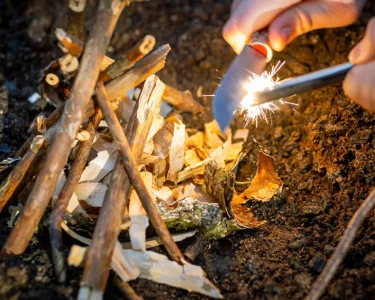
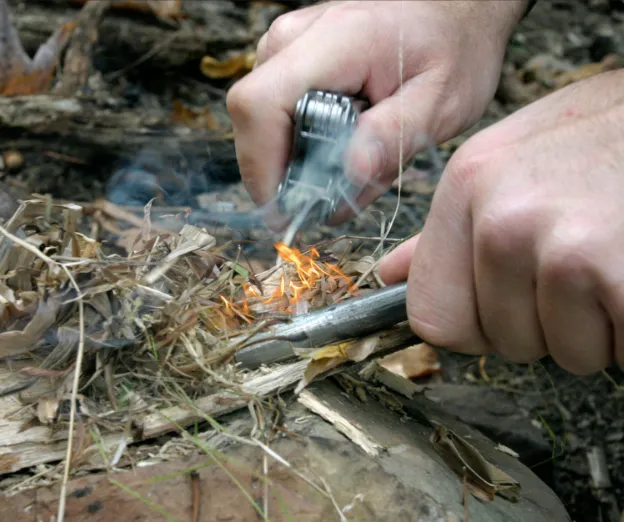
Fire is crucial for warmth, cooking, and signaling in emergencies. A good fire-starting kit will ensure you can ignite a flame in all conditions.
- Waterproof Matches or Lighter: These are reliable tools for starting a fire even when wet conditions prevail.
- Firestarter Aids: Items like firestarter cubes, fatwood, or cotton balls soaked in Vaseline make it easier to get a fire going when the environment is damp or windy.
4. Water Purification
Water is essential for survival, but even in the wild, you can’t always assume that it’s safe to drink straight from natural sources. Here’s what to carry:
- Water Filtration System: Portable water filters or purification tablets will ensure your water is clean and free from harmful bacteria and contaminants.
- Collapsible Water Container: A foldable container is convenient for collecting and storing water when you’re on the move.
5. First Aid Kit
Injuries are inevitable in the wilderness, and having a well-stocked first aid kit is essential.
- Trauma and Bleeding Kit: Your kit should include bandages, gauze, and materials for splinting in case of an injury.
- Activity-Specific Additions: Tailor your first aid kit to the activity you’re doing. For example, if you’re mountain biking, add a tourniquet; if you’re paddling, pack a hypoallergenic kit and face shield.
6. Multi-Tool
A versatile multi-tool is invaluable when you need to cut, pry, or perform other tasks in a pinch.
- Multi-Tool Knife: A high-quality knife is essential for a variety of tasks, from cutting rope to preparing food.
- Multi-Tool with Pliers: This compact tool provides extra functions such as cutting wire, tightening screws, or opening bottles.
7. Nutrition
Food is not just about survival, but maintaining energy during your outdoor adventures.
- High-Calorie Energy Bars: These are compact, lightweight, and packed with nutrients to fuel you in an emergency.
- Dehydrated Meals: Easy to prepare with just water, these meals are lightweight and provide essential nutrition during extended stays in the wilderness.
8. Clothing
The right clothing can help you adapt to a variety of conditions in the wild.
- Weather-Appropriate Layers: Dress in layers to stay warm in cold weather and cool in hot climates. Ensure you have a mix of moisture-wicking, insulating, and waterproof layers.
- Emergency Poncho: A lightweight poncho will protect you during unexpected downpours and prevent hypothermia in cold weather.
9. Communication Tools
If you find yourself in an emergency, signaling for help is critical. These tools help you attract attention when every second counts.
- Whistle: A loud whistle is an excellent tool for signaling in distress situations, especially when visibility is low.
- Signal Mirror: A reflective mirror can help you catch the attention of rescuers from a distance, particularly on bright days.
10. Illumination
Light is crucial in low-visibility conditions, whether you’re navigating at night or simply need to make camp.
- Headlamp or Flashlight: A reliable light source is essential for working in the dark, cooking, or signaling for help.
- Extra Batteries: Keep additional batteries on hand to ensure your light source doesn’t fail when you need it most.
Tips for Building and Maintaining Your Survival Kit
- Regularly Review and Update Your Kit: Make it a habit to check your survival kit regularly, ensuring that everything is functioning and replacing expired items as needed.
- Customize for Your Needs: Tailor your kit to your specific outdoor activities. If you have medical conditions, pack the necessary medications or supplies, such as an inhaler or EpiPen.
- Learn How to Use Each Item: Knowing how to effectively use the items in your kit can make all the difference in an emergency. Take the time to familiarize yourself with each tool and practice using it before heading into the wilderness.
- Keep It Lightweight: A survival kit should be manageable and not weigh you down during your outdoor excursions. Aim for a compact, efficient kit that covers all essential needs without adding unnecessary bulk.
A well-stocked survival kit can be your lifeline when things don’t go as planned. By investing time into assembling a thoughtful and comprehensive kit, you’re setting yourself up for a safer and more enjoyable outdoor adventure. Remember, preparation is the key to navigating the unknown with confidence.