


 By
By In today’s world, humans are no longer naturally equipped to survive in the wild without help. However, our most valuable asset in the wilderness remains our ability to think and adapt. Thanks to our innovation and creativity, we have developed tools and mastered fire, enabling us to conquer nature’s challenges. If you’re planning a trip into the backcountry, it’s essential to be prepared with the right gear to ensure your safety and comfort.
Here are the 10 must-have items that will significantly improve your chances of staying safe and thriving in the wilderness.
1. Full Tang Fixed Blade Knife
A sturdy, reliable knife is the foundation of any survival kit. A full tang fixed blade, made from a single piece of metal, is stronger than folding knives and offers versatility for cutting, carving, chopping, and self-defense.
A good knife is invaluable for shelter building, food preparation, processing firewood, and even first-aid tasks. When selecting a knife, ensure it has a comfortable grip and a durable sheath for safety and ease of use.
2. Fire Starting Tools & Tinder
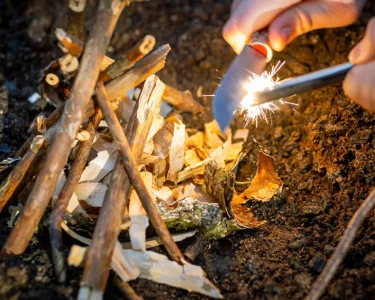
Fire is essential in the wild—providing warmth, cooking food, purifying water, and keeping predators away. Bring multiple fire-starting methods such as waterproof matches, a ferro rod, and a reliable lighter.
Additionally, pack tinder such as cotton balls coated in petroleum jelly, char cloth, or commercial fire starters. Practice using these tools beforehand to ensure you can build a fire even in wet or windy conditions.
3. Proper Clothing
Wearing the right clothing is crucial to maintaining your body temperature and avoiding heat exhaustion or hypothermia. Dress in layers, starting with a moisture-wicking base layer, followed by an insulating middle layer (like fleece or down), and finishing with a waterproof and windproof outer layer.
Avoid cotton, which retains moisture, and choose fabrics like wool or synthetics instead. Always check the weather forecast and pack clothing that can adapt to changing conditions.
4. Rain Gear
Sudden rainstorms can quickly lead to hypothermia, even in mild temperatures. Having the right rain gear is essential to staying dry and warm.
Pack a waterproof jacket and pants, and consider a poncho, which can also serve as an emergency shelter or ground cover. Choose lightweight, packable gear to avoid extra bulk while ensuring you stay protected from the elements.
5. Metal Water Bottle / Cooking Pot
Water is a critical survival need, and a metal water bottle or cooking pot serves multiple purposes. Unlike plastic, metal can handle heat, so you can use it to boil water for purification, cook meals, or even melt snow in cold environments.
A wide-mouth container is best for easy filling and cleaning, and it can also be used as a hot water bottle to help warm you up on cold nights.
6. Medical Kit
Accidents can happen anywhere, and having a well-stocked medical kit is essential for treating injuries and preventing infection. Your kit should include bandages, antiseptic wipes, tweezers, gauze, adhesive tape, blister care, and any personal medications.
For more advanced situations, include items such as tourniquets, splints, hemostatic gauze, and CPR masks. Regularly check your kit to ensure it’s fully stocked and that items haven’t expired.
7. Water Filter / Purification System
Even if water sources look clean, they can contain harmful bacteria, viruses, or parasites. Carry a reliable water filter or chemical treatment like iodine or chlorine dioxide tablets to purify water.
Boiling is the most dependable method if other tools fail, so always have a backup option for purifying water to stay hydrated.
8. Shelter (Tent, Hammock, Ground Pad)
Shelter is essential for protecting you from the elements, keeping you warm and dry. Lightweight tents, hammocks with rain tarps, or bivy sacks are great options depending on your needs and the conditions.
A sleeping pad is also crucial, as it insulates you from the cold ground and provides comfort for a restful sleep. Ensure your shelter is suitable for the season and terrain you’ll encounter.
9. Map & Compass
While modern GPS devices are helpful, they can fail due to dead batteries or poor signal. A map and compass are reliable backups for navigation, and learning to use them is a crucial skill for any adventurer.
Always carry a topographic map of the area and a compass, and make sure they’re easily accessible in your pack.
10. Food or the Ability to Procure Food
While you can survive for weeks without food, having access to calories helps keep your energy levels and morale high. Pack high-calorie snacks like energy bars or dehydrated meals, or learn how to fish, trap, or forage for additional food sources.
Including a lightweight cooking kit will also allow you to prepare meals efficiently and keep your energy up during your adventure.
Be Prepared, But Don’t Overpack
Packing for a wilderness adventure is about striking a balance. While it’s important to bring the right gear, you also need to ensure your pack isn’t so heavy that it hinders your movement.
Practice using your gear before heading out and refine your setup to suit your specific needs. With these essential items in tow, you’ll be well-prepared to handle the unexpected, navigate challenges, and confidently tackle whatever the wilderness throws your way.