

 By
By Anyone who’s spent time climbing or hiking at high elevation knows how quickly mountain weather can turn. Clear skies can shift to biting winds or snow within minutes, and temperatures drop fast once you’re above the treeline. Preparation is everything when it comes to staying warm and safe in unpredictable alpine conditions. Here are five practical ways to keep the cold at bay on your next mountain outing.
1. Master the Art of Layering
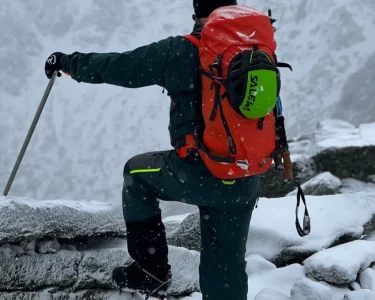
Staying warm begins with what you wear. Layering isn’t just a mountaineering buzzword—it’s the foundation of temperature regulation in the backcountry. The goal is to combine pieces that insulate, manage moisture, and protect against wind and precipitation.
A good layering system starts with a base layer that wicks sweat away from your skin. Add one or two insulating layers—like fleece or lightweight down—to trap body heat, then finish with a weatherproof shell to block wind and moisture. For especially cold climbs, a heavy parka or insulated pants can make the difference between comfort and misery. The beauty of layering is flexibility: you can add or remove pieces as your activity level or the weather changes.
2. Keep Moving—But Don’t Overdo It
Movement generates warmth, but too much exertion can backfire. Overexerting yourself leads to heavy sweating, and once that moisture cools, it can chill your body rapidly. Find a pace that keeps your blood flowing without soaking your base layers.
Take short breaks—about every hour—and always throw on an insulating layer when you stop. Even if you feel warm, this prevents your body heat from escaping too quickly. The key is maintaining steady warmth instead of trying to regain it once you’re cold.
3. Protect Your Extremities
Cold hands and feet can make even the most beautiful climb unbearable. When temperatures plummet, your body naturally redirects blood flow toward your core, leaving your fingers and toes more vulnerable to frostbite.
For your hands, pack a three-glove system: lightweight liners for mild conditions, midweight gloves for cold weather, and insulated mittens for extreme cold. Make sure your gloves fit comfortably—not too tight—to maintain circulation.
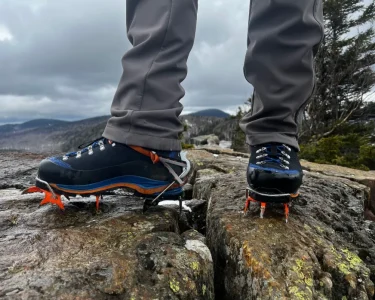
Your feet deserve the same care. Start with properly fitted boots and moisture-wicking socks. Always bring a dry backup pair—putting on damp socks in the morning can ruin your day before it begins. On long expeditions, consider overboots for added insulation, and keep your toes moving inside your boots to encourage blood flow.
4. Eat to Generate Heat
Your body burns energy to stay warm, so proper fueling is critical. When temperatures drop, focus on calorie-dense foods rich in complex carbohydrates, healthy fats, and proteins. These take longer to digest, producing more internal heat through thermogenesis—the process of generating warmth from metabolism.
Nuts, nut butters, cheese, and energy bars are excellent options on the move, while warm, hearty meals at camp can restore energy reserves. Don’t skimp on snacks; eating consistently keeps your internal furnace burning strong.
5. Stay Hydrated and Sip Something Hot
Hydration plays a bigger role in temperature control than most people realize. When you’re dehydrated, your blood volume decreases, making it harder for your body to circulate heat efficiently. Even in cold weather, drink water frequently.
Hot beverages are especially helpful for maintaining warmth. Coffee provides a boost when used in moderation, while tea, hot chocolate, or even plain hot water can raise your core temperature. Just steer clear of alcohol—it may feel warming at first but actually lowers your body temperature and dulls your judgment.
Final Thoughts
Staying warm in the mountains isn’t just about comfort—it’s about survival. Layer smartly, move steadily, protect your hands and feet, fuel your body well, and stay hydrated. With these strategies, you’ll not only endure the cold but truly enjoy the beauty and challenge of alpine environments. After all, the mountains reward those who come prepared.