

 By
By Layering is the secret to thriving in the unpredictable conditions of the mountains. From sunny valley approaches to icy summits, a well-planned clothing system lets climbers adapt to drastic weather shifts without sacrificing comfort or performance. The goal is simple: stay dry, warm, and protected—no matter what the day brings.
Understanding the Layering System
At its core, layering means combining garments that manage moisture, maintain warmth, and shield against the elements. A proper system allows you to regulate temperature, move freely, and stay comfortable whether you’re ascending steep slopes or pausing to belay.
Every layer has a purpose, and neglecting one can compromise the whole system. Get it right, and you’ll barely notice your clothing—it’ll just work effortlessly.
The Base Layer: Your First Line of Defense
Often overlooked, the base layer is where performance begins. This layer sits next to your skin, wicking moisture away to prevent chills.
What to Look For:
- Quick-drying, non-cotton fabrics such as polyester or merino wool
- Stretch for mobility around the shoulders and underarms
- Odor control—merino excels here, while synthetics often use treated fibers
- Optional features like quarter zips and hoods for ventilation and adaptability
Modern Innovations:
Today’s base layers use body-mapped designs and advanced weaves that optimize breathability and insulation where you need them most. Blends with nylon or Tencel improve durability without losing the soft, natural feel of merino. Your base layer should fit snugly to move moisture effectively, but never feel restrictive.
Light Insulation: Balancing Warmth and Breathability
The second layer builds upon your foundation, keeping you warm while allowing heat and moisture to escape. This could be a traditional fleece, a breathable synthetic jacket, or a lightweight windshell.
Fleece:
Still a reliable choice—durable, breathable, and budget-friendly. It’s best for dry, cool conditions.
Active Insulation:
Modern options like Polartec Alpha and PrimaLoft Evolve are designed for constant movement. They regulate heat and moisture so efficiently that you can often wear them throughout your climb without stopping to adjust.
Windshells:
Ultralight and packable, windshells block most of the wind while remaining far more breathable than hardshell jackets. They’re ideal for cool, dry climbs or long glacier approaches. While not waterproof, many now feature PFAS-free water repellency that resists light precipitation.
Medium Insulation: Warmth Meets Protection
When the temperature drops, your medium insulation layer provides the extra warmth and light weather resistance needed for exposed ridges or rest breaks.
Softshells:
These stretchable, breathable jackets are perfect for mixed alpine conditions. They balance comfort, protection, and mobility, though they’re not entirely waterproof.
Synthetic Puffies:
Filled with advanced synthetic fibers, these jackets stay warm even when damp and dry quickly—excellent for wet or fast-changing environments.
Down Jackets:
For cold, dry climates, down offers the best warmth-to-weight ratio. Look for responsibly sourced, high-fill down, and consider hydrophobic treatments or hybrid designs for improved moisture resistance.
Hard Shells: The Weather-Proof Barrier
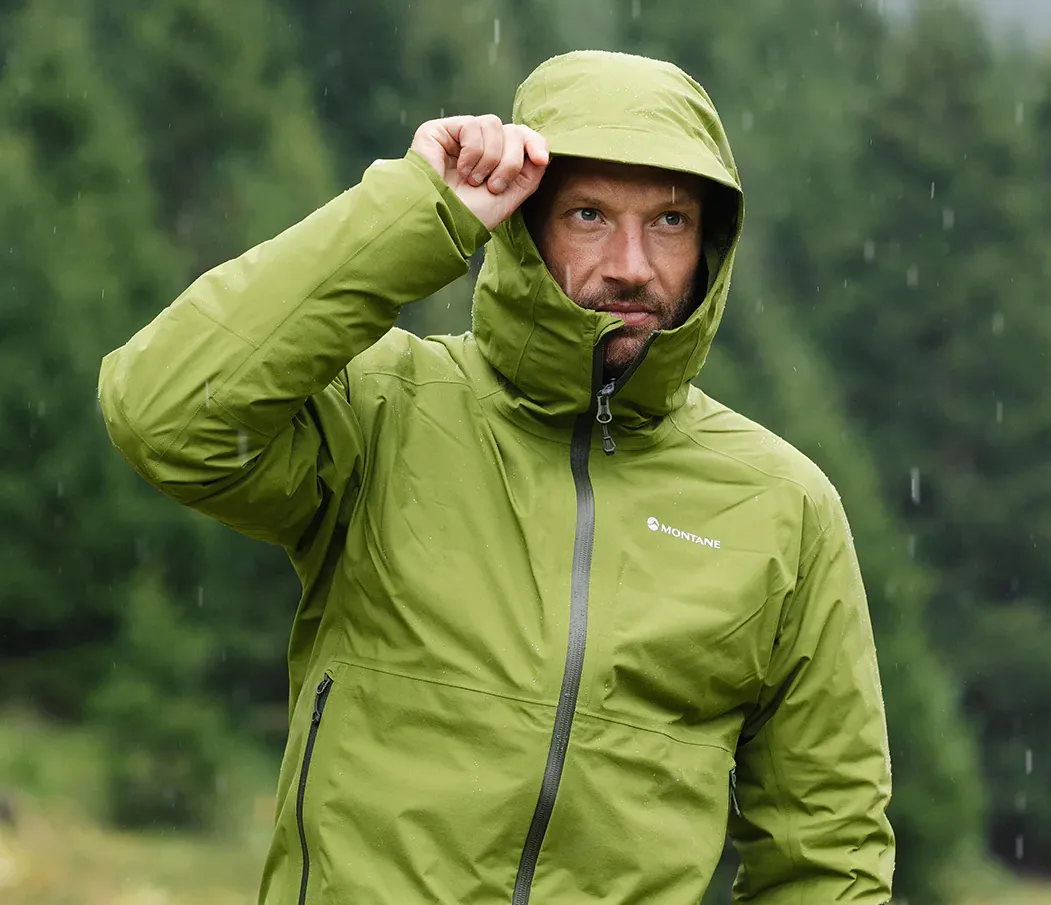
A hardshell is your mountain armor—a waterproof, windproof layer that seals out the harshest weather. Modern versions use three-layer laminates featuring breathable membranes such as GORE-TEX or Pertex Shield Pro.
As of 2025, many outdoor brands have phased out PFAS in their waterproof coatings, replacing them with eco-friendlier alternatives that maintain performance. When choosing a hardshell, prioritize features like pit zips, helmet-compatible hoods, and durable zippers. Remember: regular washing and reproofing are key to longevity.
The Belay Parka: Your Warmth Reserve
A belay parka is your ultimate insulation piece, meant to be thrown on over everything during stops or emergencies. It should be oversized, with generous insulation—either high-fill down for dry cold or synthetic fill for wet environments. Think of it as your portable warmth shelter when you’re not moving.
Lower Body Layering: Don’t Forget the Legs
Legs work hard but lose heat differently than your torso, so the system below follows the same principle in lighter form:
- Moisture-wicking base layer bottoms
- Softshell pants for most conditions
- Hardshell pants for storms, ideally with full-length zippers
- Insulated pants for extreme cold or rest periods
Modern designs include hybrid constructions for better ventilation and PFAS-free coatings for sustainability.
Building the Right System for Every Condition
Cool & Dry: Base layer, light fleece or active insulation, windshell, hardshell for storms, belay parka in the pack.
Wet & Variable: Moisture-wicking base, breathable midlayer, hardshell, and a synthetic parka for rest stops.
Cold & Stable: Heavy base, softshell or windshell, midweight puffy, and a big down or synthetic parka.
Extreme Cold: Layer two base layers, use softshells for mobility, and carry heavy-duty insulated outerwear.
Fit, Testing, and Care
Try on all layers together with your climbing gear to ensure mobility and coverage. Smooth fabrics help layers slide easily without bunching. Wash synthetics frequently, use down-specific detergents for puffies, and refresh DWR coatings on shells regularly. Store down jackets loosely between trips to maintain loft.
Final Thoughts
Layering isn’t about owning the most expensive gear—it’s about understanding how each piece works together. When you master your layering system, you move more efficiently, stay comfortable in changing conditions, and climb with confidence. On the mountain, comfort equals safety—and the right layers can make all the difference.