


 By
By When you’re venturing into the outdoors, especially in unpredictable climates like Colorado, knowing how to layer your clothing properly is essential for staying comfortable and safe. The weather here is known for changing rapidly—one moment it’s sunny, and the next, snow starts falling. Layering your clothes is not only key to keeping warm but also a practical way to adjust to shifts in temperature or activity levels.
Layering works by trapping warm air between the layers, while allowing moisture to escape, keeping you dry and comfortable no matter what the weather throws at you. Here’s a guide to understanding the basics of clothing layering and how each layer plays an important role.
Base Layer: Moisture Management Starts Here
The base layer is the one closest to your skin. Its main function is to wick moisture away from your body, keeping you dry. Whether it’s hot or cold, staying dry is key—especially in cold conditions where moisture can lead to hypothermia. Cotton, while common, is not suitable as a base layer because it holds moisture close to the skin, making you feel damp and cold. Instead, opt for moisture-wicking materials like wool or synthetic fabrics such as polyester. These materials pull moisture away from your body and allow it to evaporate, which helps you maintain the right temperature.
For warm weather, choose a lightweight version of these materials, while for cold conditions, go for thicker versions, especially for your long underwear. Wool socks are also an excellent choice, as they help keep your feet dry and warm, even in the wettest conditions.
Middle Layer: Insulation for Warmth
The middle layer is designed to trap heat close to your body. This layer’s primary job is to keep you warm by insulating your body. Wool is a top pick for this layer as it retains warmth even when wet. Another excellent material for colder conditions is goose down, which is lightweight yet incredibly warm, though it does lose its insulating properties when wet.
Fleece is also a great option, as it’s lightweight, breathable, and quick-drying. However, not all fleece is created equal—make sure it’s made from quality materials like wool or synthetic fibers like Thinsulate to ensure it performs well in the outdoors. Keep in mind that fleece is not windproof, and it can be bulky, so it’s better suited for activities where insulation is more important than wind protection.
Outer Layer: Shielding Against the Elements
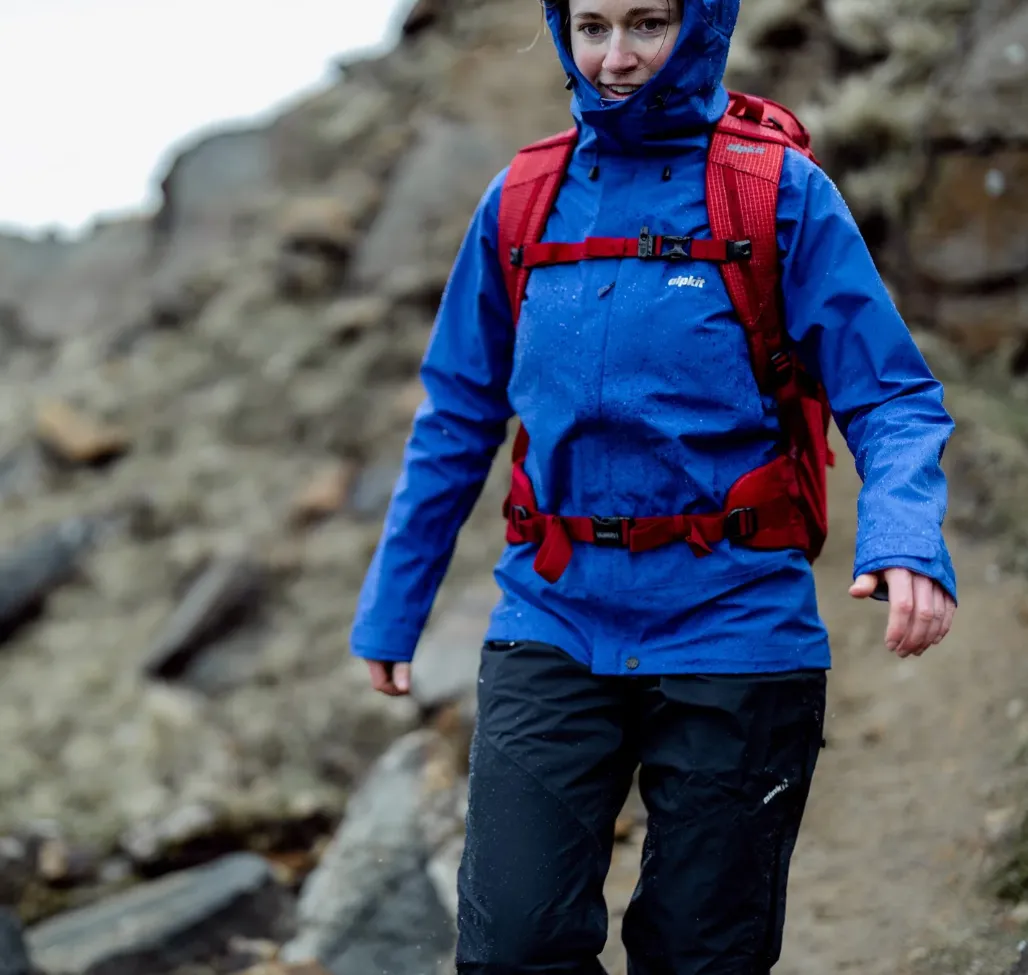
The outer layer, also known as the shell layer, is your first line of defense against wind, rain, and snow. It keeps the elements from getting through while still allowing moisture to escape from inside. Many outer layers are treated with a durable water repellent (DWR) finish, which helps water roll off the fabric, preventing saturation.
Look for outer layers that provide both protection and breathability. Waterproof and breathable shells are best for extreme conditions, though they can be pricier. More affordable options are water-resistant breathable shells, which block light rain and wind but aren’t as effective in heavy precipitation. These are typically made from ripstop nylon, which is durable and lightweight, and should feature a hood for added protection.
If you’re heading into very wet conditions, it’s also wise to bring waterproof, non-breathable gear, like rain jackets, which are specifically designed to keep you dry during downpours.
Head, Hands, and Feet: Don’t Neglect Extremities
In cold weather, you lose a lot of heat through your head, hands, and feet. A well-fitting hat is crucial—during the winter, a wool or fleece cap will keep your head warm even in wet conditions. In warmer weather, a breathable hat with a brim is useful for sun protection.
For your hands, a combination of fingerless wool gloves and large winter mittens works well for maintaining warmth while allowing some dexterity. Ski gloves can be useful if you need more hand movement, but nothing beats mittens for overall warmth. Don’t forget a pair of leather gloves for tasks that require fine motor skills.
For your feet, insulated, waterproof boots are a must. Be sure to choose boots that are roomy enough to accommodate thick wool socks and always carry an extra pair. Gaiters are also a great addition—they help keep snow out of your boots and protect the lower part of your pants from getting wet.
Final Tips for Layering Success
Layering is all about flexibility—being able to add or remove layers as needed is crucial for staying comfortable during your outdoor adventures. Always try on your layers together before heading out to ensure everything fits comfortably and allows for easy movement. Proper layering isn’t just about keeping warm; it’s about staying dry, comfortable, and protected from the elements no matter what environment you’re in.
By mastering the art of layering, you’ll be prepared to handle a range of weather conditions, from scorching heat to freezing cold, while maintaining comfort and safety on your outdoor excursions.