

 By
By Modern cities are vibrant centers of opportunity—but they can also be unpredictable environments where preparedness matters. Urban survival isn’t about escaping into the wilderness; it’s about staying safe, resourceful, and adaptable when faced with the challenges of daily city life. From sudden power outages to transportation breakdowns or unexpected emergencies, learning how to stay composed and capable is essential. Here’s a comprehensive guide to mastering the art of urban survival.
Building Physical Readiness
Life in the city can demand quick reactions, long walks, and stamina when systems fail. Keeping yourself physically ready is the first step toward resilience.
- Stay Fit: Regular exercise improves endurance, balance, and overall health—important when elevators stop working or you need to move on foot.
- Learn First Aid: Knowing how to treat injuries, clean wounds, or handle minor emergencies can make a crucial difference before help arrives.
- Practice Self-Defense: Understanding how to protect yourself boosts confidence and keeps you safer in high-risk or unfamiliar areas.
Cultivating Mental Strength
Physical strength alone won’t get you through a crisis. Mental resilience helps you stay calm and think clearly when things go wrong.
- Manage Stress: Practice techniques like deep breathing or mindfulness to keep your emotions steady amid chaos.
- Decide Under Pressure: Train yourself to assess situations quickly and choose practical responses, even when the clock is ticking.
- Adapt Easily: City life changes fast—developing flexibility and optimism helps you recover faster from setbacks.
Overcoming Urban Obstacles
City living comes with its own set of hazards, from sudden traffic gridlocks to natural disasters. Preparing for the unexpected keeps you one step ahead.
- Plan Alternate Routes: Know several ways to get home, to work, or out of the city in case of transit delays or closures.
- Stay Aware: Always be mindful of your surroundings—trust your instincts if something feels off and keep your attention on what’s happening nearby.
- Handle Extreme Weather: Familiarize yourself with shelter locations, carry appropriate clothing, and keep a small emergency kit ready for storms, heatwaves, or blackouts.
Securing Essential Resources
Urban resources can disappear quickly during crises. Having systems in place ensures that your basic needs are covered.
- Store Food Wisely: Keep a small stockpile of non-perishable food items and rotate them regularly. If you have space, try growing herbs or vegetables at home.
- Ensure Clean Water: Learn how to collect and purify water using filtration bottles or portable purifiers.
- Embrace Urban Gardening: Even small balconies or windowsills can support micro-gardens, helping you stay self-reliant.
Building Social Resilience
No one thrives in isolation. Strong community connections often make the biggest difference in an emergency.
- Network Locally: Get to know your neighbors and participate in local initiatives or preparedness groups.
- Share Skills and Resources: Working together creates shared security—trading knowledge and tools benefits everyone involved.
- Communicate Effectively: In a diverse city, clear and respectful communication can defuse tension and open doors to collaboration.
Practical Skills for Everyday Survival
Practical know-how is what turns preparation into action when it counts most.
- Learn Navigation: Familiarize yourself with your city’s layout, including landmarks, escape routes, and how to use both maps and GPS.
- Think Creatively: Resourcefulness means solving problems with what’s available—repurposing items, improvising tools, or finding alternate ways to complete a task.
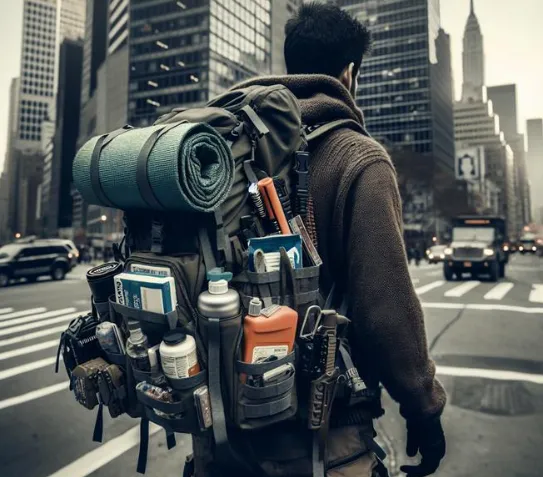
- Pack Smart: Assemble a compact urban survival kit with essentials like a flashlight, multi-tool, power bank, first-aid items, and copies of important documents.
Learning from Experience
History and real-life examples offer valuable insights into what works—and what doesn’t—when cities face crises.
- Study Success Stories: People who have lived through major urban disruptions often share lessons on preparation, quick thinking, and adaptability.
- Review Past Disasters: Understanding how others responded to events like blackouts, floods, or civil unrest helps you prepare better for similar situations.
Final Thoughts
Urban survival is about much more than getting through hard times—it’s about building a lifestyle of readiness, confidence, and community. When you combine physical fitness, mental clarity, social cooperation, and practical preparation, you don’t just survive the city—you thrive in it. With the right mindset and skills, even the most unpredictable urban challenges become opportunities to grow stronger, smarter, and more self-reliant.