

 By
By In survival situations, finding clean water can be one of the biggest challenges. One method that can help you access groundwater in areas where natural water sources are scarce is by digging a seep well. While it’s not a perfect solution, a properly constructed seep well can provide a reliable water source that is generally safe to drink. Here’s a guide on how to dig a seep well and ensure you’re getting the cleanest water possible under the circumstances.
What is a Seep Well?
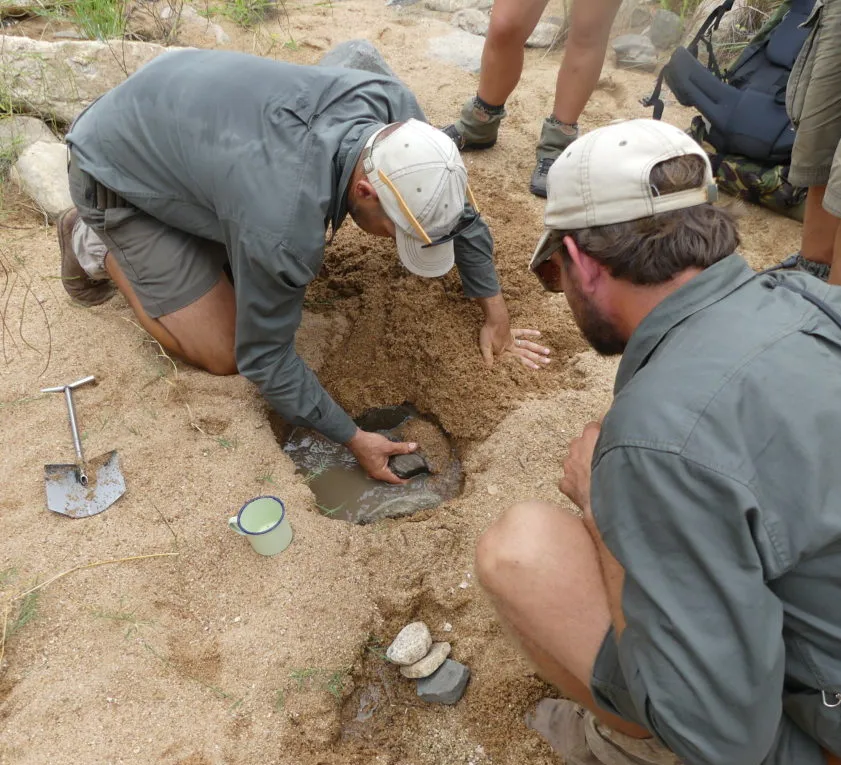
A seep well is essentially a hole dug in the ground near a water source, extending below the natural water table. The water from the underground table naturally seeps into the hole you dig. This process usually purifies the water, though it may still have some sediment. In many cases, this water is drinkable, but it’s important to understand the variables that can affect its quality.
You can dig a seep well anywhere there’s sufficient groundwater, but the depth of the water table and the type of soil it passes through are key factors in how successful your well will be. Areas near streams, rivers, ponds, and even swamps are good candidates for seep wells. However, if the water table is too deep, the well may not fill, and if it’s too shallow, the water could still be contaminated.
Potential Risks to Watch For
Several factors can make the water from a seep well unsafe:
- Rainwater runoff: If the well fills with rainwater, it could become contaminated by surface debris and contaminants. After a storm, it’s best to either dig a new well or empty the current one and start over.
- Excessive minerals: Some soils contain high levels of heavy minerals that could make the water unsafe to drink.
- Wildlife: If animals start using your seep well, their tracks or waste could introduce new contaminants. Guarding your well is not always practical, but it’s something to keep in mind.
- Incorrect placement: The distance from the water source matters. If you dig too close to a water body, the well may not be effective. However, if you dig too far, the water may never seep into the hole. Soil composition plays a crucial role—sandy soil allows water to flow through more easily than clay, which requires a longer distance from the source.
How to Dig a Seep Well
- Find a suitable location: Start by selecting a location near a natural water source or an area that shows signs of groundwater, like muddy spots or dense plant life. Low-lying areas tend to have more groundwater, but even higher elevations can work, depending on the terrain.
- Dig the hole: Using a digging tool or a sharpened stick (if tools are unavailable), dig a hole that is about 12-18 inches in diameter. The depth should extend at least a foot below the water table to ensure the water flows into your well. If you’re digging in sandy soil, aim for a distance of about 8-10 feet from the water source; for clay soil, 3-5 feet may be sufficient. Keep in mind that soil and water conditions will affect how far you need to dig.
- Line the well (optional): You can line the well with stones to prevent it from collapsing and to help filter out some of the sediment. While this isn’t strictly necessary, it can improve the quality of the water.
- Wait for the well to fill: After digging, allow the hole to fill with water. At first, the water will likely be muddy. Scoop out the murky water to remove excess sediment, and wait for the water to clear. This process may take an hour or more, especially if you’re in clay soil. The longer it takes to fill, the more likely it is that the water is safe to drink.
- Repeat the process: After removing the muddy water, let the hole refill and continue to scoop out the dirt until the water becomes clear. Stir the water gently before each scoop to help dislodge more sediment.
- Skim off organic matter: Once the water is clear, remove any floating organic matter like leaves or sticks, as they can contaminate the water. At this point, your water should be relatively safe to drink.
Safety Considerations
While a seep well can provide drinkable water in the wilderness, it’s important to note that it’s not a guaranteed method for obtaining clean water. The water may still contain bacteria, toxins, or other contaminants. If possible, always boil the water for at least 3 minutes to kill harmful microorganisms or use a reliable water filter to purify it further. If sediment is still a concern, you can filter it through a cloth to remove larger particles.
Wildlife Concerns
A seep well can attract wildlife, which may introduce new contaminants like urine or feces. If you’re away from the well for any extended period, it’s advisable to empty the well and allow it to fill with fresh water. Checking for animal tracks around the well is also a good idea. While animal tracks may indicate a food source if you’re skilled in hunting or trapping, they also signal the potential for contamination.
Conclusion
A seep well can be a lifesaver in a survival situation, providing a fresh source of water from the ground. However, it’s essential to understand the limitations and risks involved. With the right location, proper digging techniques, and some basic filtration or boiling, you can ensure that the water you collect is safe to drink. Always be cautious about the quality of the water, and remember that this method is not foolproof. Stay prepared and use your best judgment to stay healthy in the wilderness.