

 By
By Winter in the Colorado Rockies is a breathtaking experience, with snow-covered peaks and tranquil landscapes that invite outdoor adventurers. But while the beauty is undeniable, the mountains can be unforgiving if you’re not adequately prepared. Whether you’re skiing, snowshoeing, or simply hiking, having the right gear and clothing is essential for a successful and safe winter adventure. In this guide, we’ll break down the must-have gear and clothing to ensure you stay warm, dry, and ready for anything that comes your way.
Winter Vehicle Prep: The First Step to a Successful Adventure
Before you even set foot on the trail, make sure your vehicle is ready for the challenges of winter driving. Your car is more than just transportation; it’s your basecamp, your shelter from the storm, and your lifeline if things go awry.
Essential Items for Your Vehicle:
- Traction Tools: A bag of sand or kitty litter, snow chains, a portable snow mat, and a collapsible shovel can help you get unstuck in snowy conditions.
- Tire Tools: Bring a breaker bar, lug wrench, and a jack. These tools are much more effective than the standard ones that come with your car.
- Heavy-Duty Tow Strap: A tow strap rated for 20,000 lbs is essential for when you need assistance pulling your vehicle out.
- Winter Essentials: Pack an ice scraper with a brush (preferably telescoping), emergency blankets, a sleeping bag rated for cold weather, and hand warmers.
- Food and Water: High-calorie snacks (like trail mix, granola bars, or jerky) and an insulated thermos to keep water from freezing are vital.
- Portable Jump Starter: Cold weather often drains batteries quickly, so having a jump starter could save you from being stranded.
- Roadside Assistance Kit: Road flares, reflective triangles, and a repair tool kit are key for roadside emergencies.
- Navigation Tools: A paper map or road atlas is essential in case your GPS fails.
- Entertainment: A book, cards, or podcasts on a charged phone will keep you entertained if you’re stuck for a while.
Pro Tip: Always top off your windshield wiper fluid with a winter-grade formula, and make sure your gas tank is full before hitting the road.
Having these items in your car ensures you’re prepared for emergencies, keeping you warm, fed, and safe while waiting for help or weather to clear.
Clothing Layers: Your Secret Weapon Against the Cold
Once you arrive at your destination, the next step is to dress properly for the elements. The Colorado Rockies in winter can be both beautiful and brutal, and how you dress can make the difference between an enjoyable adventure and a miserable one.
The Layering System:
Layering isn’t about piling on as many clothes as possible. It’s about building a system that keeps you warm, dry, and comfortable no matter the conditions.
- Base Layer:
This layer sits closest to your skin and its primary job is to wick moisture away from your body. Avoid cotton, as it traps moisture and makes you cold. Opt for synthetic fabrics or merino wool, which are great for keeping sweat at bay and maintaining warmth. The base layer should fit snugly, but not so tight that it restricts circulation. - Middle Layer:
This layer provides insulation and traps heat close to your body. Fleece and down jackets are excellent options for insulation. Down is lightweight and warm, but it loses its effectiveness when wet, so if you’re expecting snow or rain, synthetic insulation might be a better option. Aim for puffy jackets that trap heat with plenty of air pockets, which act as natural insulation. - Outer Layer:
Your outer layer is your protection from the elements. Look for waterproof, windproof, and breathable materials like Gore-Tex to shield you from snow and rain while allowing sweat to escape. A jacket with pit zips is a bonus, as it lets you vent excess heat if you’re working up a sweat.
Essential Accessories:
- Headwear: A fleece-lined beanie or wool hat is a must. Add a neck gaiter or balaclava to protect your face from the wind.
- Gloves: Waterproof, insulated gloves are essential. Bring a backup pair in case one gets wet. Thin wool inserts are a great option for extra warmth.
- Socks and Boots: Wool socks keep your feet warm and dry. Make sure you have extra pairs, and choose insulated, waterproof boots with solid traction.
- Boot Gaiters: These are invaluable for keeping snow and debris out of your boots.
Must-Have Gear for the Trail
When venturing into the Rockies, having the right gear on hand can make or break your trip. While we won’t dive into all the specific equipment for activities like snowshoeing or skiing, here’s a rundown of the emergency backup gear you should always carry:
- Emergency Whistle: A loud whistle can be heard over long distances, even in noisy or windy conditions.
- Navigation Tools: A compass and map should always be your primary navigation tools. GPS devices are great but can fail in extreme conditions.
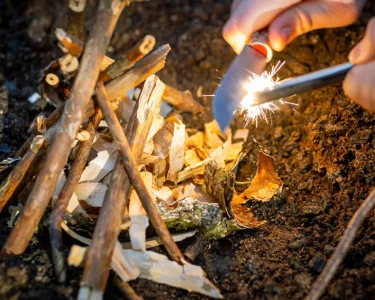
- Fire Starting Kit: Pack waterproof matches, a lighter, ferro rods, or fire-starting cubes to help you create a fire when needed.
- Emergency Shelter: A bivy sack or emergency blanket is lightweight but could save your life in an unexpected situation.
- Multi-Tool or Knife: A versatile multi-tool can help you with everything from fixing gear to building shelter.
- First Aid Kit: A well-stocked trauma kit is essential. Build your own with items like moleskin for blisters and bandages for larger wounds.
- Water Filtration System: Carry at least two liters of water, along with a filtration system or purification tablets.
- High-Energy Snacks: Pack calorie-dense food like nuts, chocolate, and energy bars for quick energy on the go.
- Headlamp: Even if you don’t plan to be out after dark, it’s always wise to carry a headlamp with extra batteries.
For Unexpected Overnight Stays:
- Insulated Sit Pad: Keeps you off the cold ground during breaks.
- RipStop Tarp: A lightweight and durable option for creating temporary shelter.
- Paracord: Essential for setting up shelters, securing gear, and many other tasks.
- Extra Layers: A down vest or lightweight insulated jacket can add extra warmth without taking up too much space.
Pro Tip: Always be aware of the altitude you’ll be at during your hike. The temperature can vary drastically between lower and higher elevations. Be sure to pack for the coldest conditions you might encounter.
Common Mistakes and How to Avoid Them
Proper preparation is key to a successful winter adventure, but there are a few common mistakes that many adventurers make:
- Overestimating Your Abilities: Even if you’ve hiked the Rockies in summer, winter presents new challenges. Don’t overestimate what you can handle.
- Ignoring the Weather Forecast: A storm warning isn’t just a suggestion. Make sure you check the forecast regularly.
- Packing Too Much or Too Little: Stick to the essentials. You don’t need to overpack, but you also don’t want to leave behind something critical for your safety.
- Wearing the Wrong Clothing: Avoid cotton, and make sure your layers are appropriate for the conditions.
Final Thoughts
Winter in the Colorado Rockies is one of the most rewarding experiences for adventurers, but it demands respect and preparation. By ensuring you have the right clothing, gear, and vehicle preparedness, you set yourself up for a safe and enjoyable adventure. The mountains are beautiful, but they can be ruthless. Stay prepared, pack wisely, and embrace the challenges that come with exploring one of the most awe-inspiring places on earth. And remember—adventure is about making memories, not mistakes.