

 By
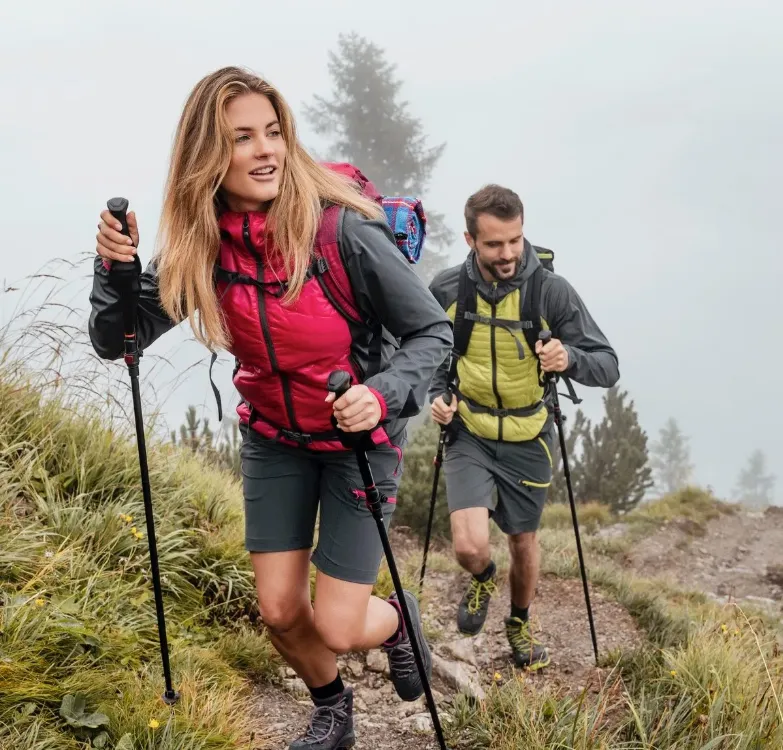
By When it comes to hiking or backpacking, a reliable pair of trekking poles can make all the difference. They provide stability on uneven ground, reduce strain on your knees during descents, and help propel you forward on steep climbs. Over the past few years, trekking pole designs have evolved tremendously, becoming lighter, more compact, and more user-friendly than ever before.
In this guide, we’ll explore what makes a great trekking pole, what to look for when choosing one, and how different designs perform in real-world conditions.
The Evolution of Trekking Poles
Recent innovations have reshaped the trekking pole market. Manufacturers now offer a range of models that cater to different hiking styles—from minimalist ultralight setups to durable options for mountaineering. During extensive field testing across rugged trails—from the White Mountains to the Himalayas—several poles demonstrated impressive strength and reliability. Even after hundreds of miles of rough use, the top performers showed minimal wear and no mechanical failures.
Understanding Trekking Pole Types
Before selecting a pair, it’s important to understand the main design differences:
1. Telescoping Poles
This traditional style uses sliding sections that adjust in length and lock into place. They’re durable and easy to repair, making them ideal for everyday hiking. However, they tend to be slightly bulkier when collapsed.
2. Folding Poles
A newer innovation, folding poles break down into shorter segments, similar to tent poles. They’re extremely compact—perfect for travelers or climbers who need to store them in small packs. While slightly pricier, the convenience of portability often makes them worth it.
3. Material Differences
Aluminum poles are heavier but more affordable and resilient. Carbon fiber models are significantly lighter, offering a smoother swing, but come at a higher cost and can be more fragile under extreme force.
Key Factors to Evaluate
When comparing trekking poles, several features influence comfort, usability, and performance:
Weight
Lightweight models like carbon composites are excellent for long-distance hikes where every ounce counts. However, if you often trek in rocky terrain or cold conditions, aluminum might be a better choice for its toughness.
Packability
Folding poles dominate in this category. They collapse to nearly half the size of traditional models, easily fitting inside or outside small backpacks. Telescoping versions are still portable but not as compact.
Comfort and Swing
A good pole should feel balanced with a smooth, natural swing. Grips made from cork or foam reduce hand fatigue and wick away sweat, while ergonomic handles make long climbs and descents more pleasant. Adjustable, padded wrist straps also add control and prevent slipping.
Features
Look for user-friendly locking systems, interchangeable baskets, and protective tips. High-end poles often include both trekking and snow baskets, allowing you to use them year-round. Quick-lock mechanisms, which can be adjusted without tools, are also a major plus.
Durability
Even after months of use, the best poles maintain their locking strength and structural integrity. Both aluminum and carbon models tend to show only cosmetic wear when properly maintained. Testing has shown that high-quality poles rarely fail, even in demanding terrain.
Testing and Evaluation
To accurately assess trekking poles, each model was tested over hundreds of miles across varied environments—from alpine trails to icy climbs. Testers evaluated grip comfort in different weather conditions, ease of adjustment with gloves, and swing dynamics on steep sections. Collapsibility and setup speed were also measured to simulate real-world usability on the trail.
The Benefits of Trekking Poles
Many hikers start using trekking poles for balance but quickly discover their broader benefits. They reduce joint strain during descents, improve rhythm and pace, and help distribute effort across your upper body—especially when carrying a heavy pack. In snow, they prevent deep post-holing, while on rocky trails they offer extra points of contact for stability.
Glossary of Common Terms
- Grip/Handle – The part held in your hand, typically made of cork, foam, or rubber.
- Pommel – The rounded top of the handle, ideal for resting your palm during descents.
- Shelf – A ridge on the grip that supports your hand when moving downhill.
- Choke Down – Sliding your hand lower on the pole to shorten leverage during steep climbs.
- Trekking Basket – A small disk near the tip that prevents poles from sinking too deep in soft ground.
- Powder Basket – A larger basket designed for snow use.
- Carbide Tip – The durable metal point that grips on rock and dirt.
- Rubber/Indoor Tips – Protective covers used on hard floors or when storing poles.
Final Thoughts
Choosing the right trekking pole comes down to balancing weight, strength, and convenience. If compactness matters most, go for a folding carbon model. For everyday use or rough terrain, aluminum telescoping poles remain a reliable favorite. Regardless of which type you choose, investing in a well-designed pair will make your hikes safer, more comfortable, and far more enjoyable.
Once you experience the rhythm and stability of trekking with poles, you’ll wonder how you ever managed without them.