

 By
By If you’ve recently moved to Seattle and are eager to explore the outdoors beyond the city, you’re in good company. The Pacific Northwest is packed with stunning trails, alpine lakes, and endless mountain views. But hiking here isn’t as simple as lacing up your boots and heading out. The region’s terrain, weather, and access points can surprise even seasoned hikers. Here’s a guide to help you get started hiking confidently and safely in the Seattle area.
Choosing the Right Trail
Washington has thousands of hiking trails, from coastal walks to glacier climbs. The best place to start is by narrowing down your options based on distance, elevation gain, and difficulty. If you’re new to hiking, choose trails with moderate elevation and short distances to build stamina. Remember—Seattle’s hikes often involve steep climbs compared to other parts of the country. Even a short trail can feel like a workout, so ease into it.
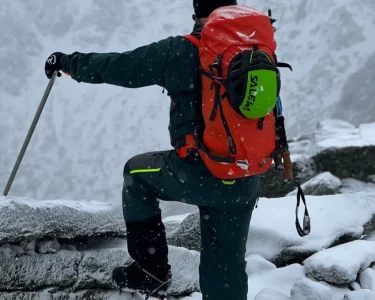
Before heading out, research the trail conditions. Higher-elevation routes often remain snow-covered into early summer, and road closures can block access to some areas. Always check recent trip reports to learn about snow levels, fallen trees, or muddy sections. Reading trailhead signs before setting out is also smart—they’re updated with seasonal advice and warnings.
Planning Your Adventure
Finding reliable information is easy if you know where to look. The Washington Trails Association (WTA) website and app are invaluable tools for researching hikes. You can filter trails by distance, difficulty, and location, and read recent user reports. These updates give you an idea of what conditions to expect.
For mapping and navigation, Gaia GPS offers detailed topographical maps and GPS tracking. Its downloadable offline maps are perfect for trips where you’ll lose service. For more technical climbs, sites like Mountaineers or SummitPost provide detailed route descriptions, gear recommendations, and safety information.
If you prefer print, guidebooks are still a great resource. A good Washington hiking guide can help you find popular routes and lesser-known gems. They’re also handy to have when you’re offline.
Check the Weather Before You Go
Seattle’s weather is famously unpredictable, and mountain conditions can change rapidly. Check forecasts a few days before your hike and again right before you leave. The National Weather Service (NOAA) is a reliable resource, showing temperature ranges, wind speeds, and precipitation forecasts.
If you’re hiking at higher altitudes, use Mountain Forecast to get elevation-specific predictions. It’s not perfect, but it gives a general idea of what to expect. Seattle also has local meteorologists, like those featured on the Cliff Mass Weather Blog, who specialize in Pacific Northwest patterns—especially helpful for understanding how microclimates affect different mountain ranges.
What to Pack for Seattle Hiking
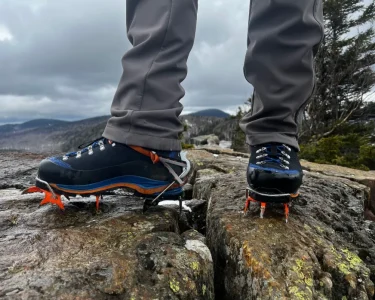
Weather in the Pacific Northwest can shift from sunny to rainy in minutes, so layering is essential. A waterproof, breathable jacket will be your best friend. Look for one with underarm zippers for ventilation. Waterproof boots or Gore-Tex shoes are also worth the investment since trails often cross streams or puddles.
Always bring extra clothing layers, a hat, gloves, and a dry pair of socks. Even if the forecast looks mild, mountain temperatures can drop quickly. And don’t forget the basics: water, snacks, navigation tools, a first aid kit, and a headlamp.
Trail Permits and Parking
Many hiking areas in Washington require parking passes. For state parks, you’ll need a Discover Pass. For national forests or parks, a Northwest Forest Pass or America the Beautiful Interagency Pass will cover most trailheads. Some trailheads have self-pay kiosks, but it’s best to purchase a pass in advance to save time.
Navigating Safely
Even if you rely on your phone for navigation, always carry a paper map and compass as a backup. Batteries die, phones can fall into rivers, and GPS isn’t foolproof. REI and local outdoor groups often offer classes on how to read topographic maps and use a compass properly—it’s a worthwhile skill to learn before venturing far.
Practice Leave No Trace
Preserving the beauty of Washington’s wilderness means following Leave No Trace principles. Pack out everything you bring, including trash and used toilet paper. Stay on marked trails to avoid damaging vegetation, and respect wildlife by keeping your distance. The goal is to leave the outdoors as you found it—or better.
Building a Hiking Community
If you’re new to the area or hiking in general, joining a group is a great way to learn. Local organizations like The Mountaineers and outdoor-focused Meetup groups offer guided hikes, skill classes, and social outings. You’ll gain experience and meet people who share your passion for the outdoors.
Social media can also be a helpful tool. Following local hiking accounts or joining Facebook groups gives you ideas for new trails and connects you with the Seattle outdoor community.
Final Thoughts
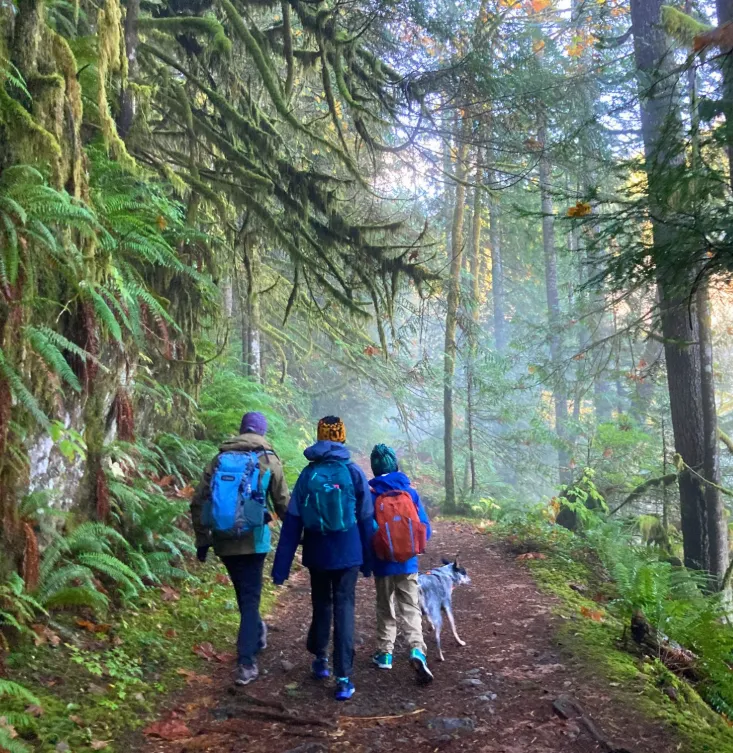
Hiking near Seattle offers some of the most rewarding experiences in the country, from mossy forest paths to snow-dusted summits. With a little preparation—checking weather, knowing trail conditions, and packing properly—you’ll be ready to explore safely and confidently. The Pacific Northwest is an outdoor lover’s paradise, and once you start exploring, it’s hard to stop.