

 By
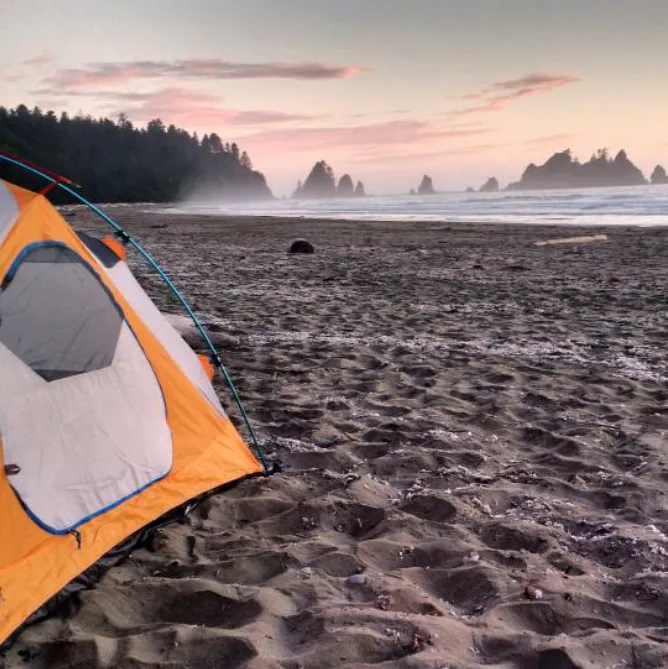
By The Olympic Peninsula in Washington State offers an incredible mix of rugged coastline, lush rainforests, and towering trees. For those living in Seattle, the nearby beaches provide an irresistible escape—a place to hear the waves crash, feel cool sand underfoot, and enjoy the serenity that only nature can provide. Even though the Pacific waters remain chilly year-round, the experience of camping by the sea is truly unforgettable.
When my friend and I decided to kick off camping season, we packed our gear, hopped on the ferry, and left the bustle of city life behind. The journey to the coast took about four hours, but every mile felt like shedding layers of stress. As the sun warmed our faces, the anticipation of sleeping under the stars by the ocean made it all worthwhile.
Before setting up camp, we stopped by the Olympic National Park Wilderness Information Center—a required step for anyone camping along the park’s beaches. Here’s what you should know before pitching your tent on the Olympic Peninsula’s beautiful shoreline.
1. Permits Are Mandatory
You’ll need a wilderness camping permit for every person in your group, valid all year. If you’re planning a weekend trip, it’s smart to reserve your permit a couple of weeks ahead. For weekday adventures, walk-in permits are usually easier to get. You can pick them up along with a bear canister at the Wilderness Information Center. Don’t forget to display a Northwest Forest Pass or an annual National Park Pass in your vehicle—these passes also save money if you visit often.
2. Keep an Eye on the Tides
Tide schedules are essential when camping or hiking along the coast. The rangers will give you a tide chart when you collect your permit—study it carefully. Timing your hike with low tide ensures safe passage along beach trails like the Wilderness Coast Trail. When choosing a campsite, set up your tent well above the high-tide line. It’s better to double-check than to wake up surrounded by rising water.
3. Use Bear Canisters for Food Storage
Bear canisters are required on the beaches—not just for bears, but also for raccoons and other clever animals. Never store food in your tent. Keep all scented items sealed in the canister and place it a safe distance away from camp overnight. I once had raccoons rummaging near my backpack just a few feet away; since then, I always lock everything up before dark.
4. Campfires with Care
You can build a campfire on the beach, but only using driftwood. Cutting branches or trees is strictly prohibited. The sound of crackling wood mixed with ocean waves is one of the simple joys of coastal camping—just make sure you leave no trace behind when you’re done.
5. Bring or Treat Your Water
The streams that flow into the ocean are not safe to drink without treatment. Boil, filter, or purify all water you use. Iodine tablets don’t remove certain parasites, so be cautious. If you’re staying just a night or two, bringing your own water might be the easiest option.
6. Respect the Environment
The golden rule of camping applies here: if you pack it in, pack it out. Familiarize yourself with Leave No Trace principles, including how to properly dispose of waste. Pets are not allowed on most beaches, as they can disturb local wildlife, so plan accordingly.
Getting There
To access the beaches, drive through Port Angeles, where you’ll stop for your camping permits. Continue along Highway 101 toward Forks, then take WA-110 west to reach the La Push area—home to First, Second, and Third Beaches. From Seattle, the quickest route is via ferry (Seattle–Bainbridge or Edmonds–Kingston), though you can also drive around through the Tacoma Narrows Bridge if you prefer a ferry-free journey.
Trails Worth Exploring
If you’re eager for more coastal adventures, try:
- South Coast Wilderness Trail – Toleak Point
- Ozette Triangle
- Shi Shi Beach
For planning, check tide tables online and download offline maps with apps like Gaia GPS. The National Park Service and Washington Trails Association websites also provide up-to-date trail information and trip reports.
Camping on the Olympic Peninsula’s beaches is an experience that blends beauty, solitude, and a touch of adventure. With a little preparation and respect for nature, you’ll discover why this wild coastline continues to capture the hearts of all who visit.