

 By
By When it comes to survival, preparation is key. Whether you’re navigating city streets or venturing into the wild, having a well-thought-out survival kit is essential for staying safe in emergency situations. Unlike the typical “Bug Out Bags” that are often overpacked and impractical, my approach focuses on practical, well-selected gear that ensures you’re ready for anything, without the burden of carrying excessive weight. Here’s a breakdown of my survival kit setup and how you can build your own, based on your unique needs.
My Approach to Survival Kits: Simple Yet Effective
I carry two primary survival kits in my vehicle:
- The Fast Pack: This kit is all about essentials. It’s lightweight, easy to carry, and designed for swift, efficient travel in emergencies.
- The Get Home Bag: A more comprehensive version of the Fast Pack, it contains additional comforts and tools that might be necessary if I find myself stranded for an extended period.
Additionally, I keep two car kits that are designed for specific purposes: one for vehicle repairs and another for helping others with basic survival supplies like food and water.
Pro Tip: Think modular. Design your kits so that they can function independently or work together. This flexibility allows you to grab only what’s necessary for the situation, keeping your load manageable.
Customizing Your Kit to Fit Your Needs
This kit works for me, but survival is personal. Everyone’s environment, skill set, and needs are different. Your survival kit should reflect those differences. You might not agree with all the items I carry, and that’s okay. The key is to assess your own skills, environment, and potential challenges, and build a kit that suits those factors.
Could I survive with less? Of course. Would it be enjoyable? Not so much. I prefer having what I need to make life easier in tough situations.
Everyday Carry (EDC): The Core of My Survival Gear
Your Everyday Carry (EDC) is the foundation of any survival kit. These are the items you should always have on you, whether you’re running errands or heading into the wilderness.
What’s in My EDC?
- Wazoo Stash Cap: A hat with hidden storage for small, important items.
- Firestarter Necklace: A wearable fire-starting tool that’s always with me.
- Viking Sharpening Stone: A handy tool for maintaining my knife’s edge.
- Firearm: Always check local laws and carry responsibly.
- TSU Mountainside Mettle Spirit Knife: A reliable, versatile knife designed for daily use and survival situations.
- ID and Cash: Always have identification and a small amount of cash for emergencies.
Pro Tip: Consistency is key. Using the same set of EDC tools regularly helps build muscle memory, which is essential in high-stress situations.
The Fast Pack: Essential Survival Gear
The Fast Pack is built for speed and efficiency. This compact, lightweight kit focuses on the core items that are crucial in a survival scenario. Here’s what’s in mine:
- Backpack: Small, durable, and comfortable. It’s designed to be functional without weighing me down. Look for water resistance, padded straps, and plenty of compartments for organization.
- Survival Knife: The most essential tool in my kit. It should be full tang, with a sharp blade made from high-quality steel. It should be versatile enough to handle a variety of tasks, from cutting rope to processing food.
- Multi-tool: A versatile tool like the Leatherman Wave can handle a wide range of tasks.
- 50′ Paracord: Useful for setting up shelter, repairs, and various survival applications.
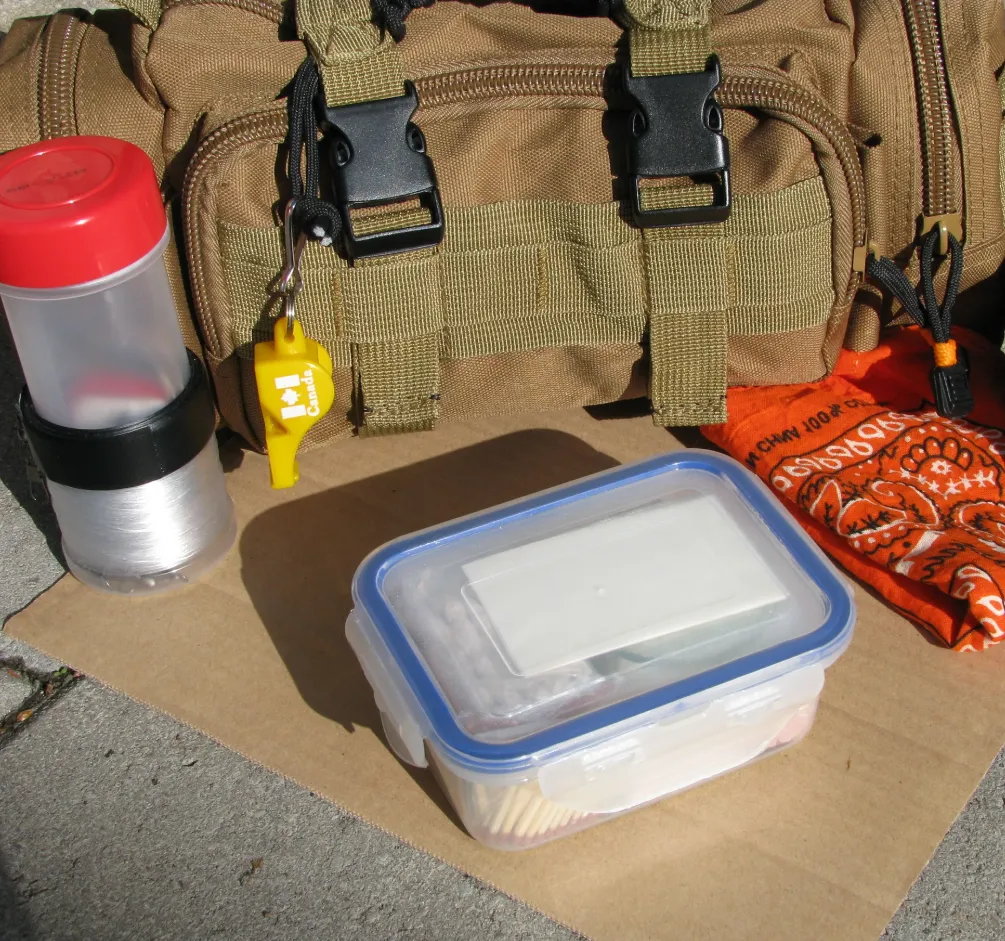
- Signal Mirror and Whistle: Vital for signaling for help in remote areas.
- Headlamp: For hands-free illumination during nighttime tasks. A headlamp with red light mode is perfect for preserving night vision.
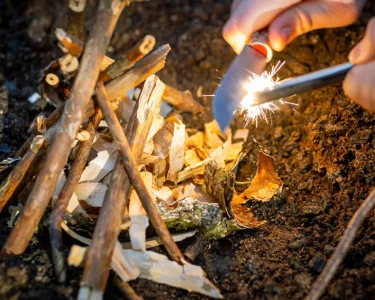
- Fire Kit: A reliable fire starter, like a ferro rod, along with cotton balls soaked in Vaseline, provides a quick and reliable way to make fire in any weather.
The Get Home Bag: For Longer-Term Survival
The Get Home Bag contains everything the Fast Pack does, plus additional tools and comforts to make life easier if you’re stuck in the wild or need to shelter in place for a while.
Here’s what else I carry:
- Water Filtration: A Sawyer Mini water filter ensures that I can drink from natural sources without worrying about contamination.
- Shelter Gear: A military poncho serves as both rain protection and an emergency shelter. A Mylar blanket helps trap body heat in cold conditions.
- Food: High-calorie bars like Clif Bars provide quick nutrition when you’re on the move. I also carry MREs for extended survival.
- First Aid: A well-stocked first aid kit is crucial. Mine includes gauze, trauma shears, and a CAT tourniquet for severe injuries.
- Navigation Tools: A map, compass, and protractor help ensure I stay on course if GPS fails. A road atlas is also invaluable for longer trips.
Pro Tip: Practice with your gear. Regularly running through mock scenarios will help you become proficient in using your kit quickly and effectively during an emergency.
Keep It Simple, Keep It Practical
The best survival kit is one that’s tailored to your specific needs. Gear is only useful if you know how to use it. In addition to carrying the right tools, it’s essential to continually improve your skills through training. Whether it’s first aid, fire starting, or shelter building, practical experience will make your gear more effective when you need it most.
Remember: survival isn’t about hoarding gear—it’s about being prepared, adaptable, and confident in your ability to handle whatever challenges come your way.