

 By
By The first snow of the season has settled across the mountains, blanketing the world in silence and beauty. For those who feel most alive in the wild, winter isn’t something to escape—it’s a challenge to embrace. The cold season demands more than enthusiasm; it requires awareness, discipline, and respect for nature’s extremes. Here’s how to not just survive, but thrive when temperatures drop and the wilderness transforms.
Understanding the Winter Mindset
The human body works harder in cold weather, burning more calories just to stay warm. High-energy snacks such as nuts, dried meat, and chocolate help sustain stamina without overloading your pack. But survival is as much psychological as physical. The long nights, quiet landscapes, and isolation can test your mental endurance as deeply as the cold tests your body.
One of the best ways to adapt is by creating structure. Build routines—lighting your fire, cooking, checking gear—that give each day a sense of rhythm and purpose. These small rituals prevent restlessness and maintain focus. More importantly, they transform solitude into a form of calm awareness. With fewer distractions, you start to notice the details: the pattern of the wind, the texture of snow, the distant sound of ice shifting. In that stillness, the wilderness stops feeling empty and starts feeling alive.
Preparing for the Cold: Gear and Strategy
Your gear is your lifeline. Layer clothing with precision—start with moisture-wicking fabric, add insulation like wool or fleece, and finish with a windproof shell. Avoid sweating; moisture cools the body fast once you stop moving. Always carry a dry backup layer, as wet clothing can be deadly in freezing temperatures.
Moisture management extends beyond clothing. Keep your sleeping bag, food, and spare clothes dry by sealing them in waterproof bags. Snow and condensation can creep in faster than expected. Staying dry is the foundation of staying warm.
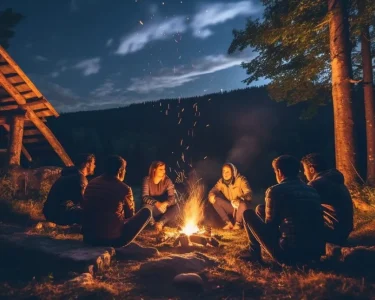
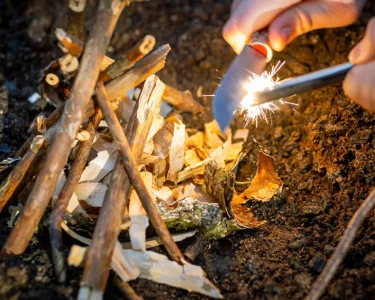
And then, there’s fire. Building one in the snow takes strategy—clear the ground, use dry wood from under logs, and carry dependable fire-starting aids. Birch bark and resin-rich pine are natural allies. A well-made fire not only keeps you warm but restores morale after long, frozen hours.
Crafting Shelter in the Snow
Shelter is your refuge from the elements. Snow itself can be your greatest asset, acting as natural insulation. A properly built snow cave retains warmth and shields against wind, maintaining a surprisingly stable interior temperature. When snow is too shallow, build a lean-to or tarp shelter positioned away from prevailing winds. Add pine boughs or a layer of snow for insulation, and raise your sleeping area off the cold ground with branches or a sleeping pad.
If using a fire near your shelter, maintain distance and ventilation. A reflective wall of rocks or logs can direct heat inward while preventing dangerous buildup of smoke or carbon monoxide.
Sourcing Food and Water in the Winter Wild
Finding nourishment in winter is about patience and creativity. Evergreen trees offer more than shelter—their needles can be steeped into tea rich in vitamin C. Some roots and tubers remain accessible beneath the frost, and tracking small game like rabbits can provide crucial protein. Understanding animal habits and reading tracks in the snow can turn scarcity into opportunity.
For water, melting snow is the go-to method, but it requires care. Never eat snow directly—it lowers core temperature and burns energy. Melt it over heat or collect ice, which yields more water with less fuel. Always treat melted snow or ice before drinking to remove impurities.
Navigating a Frozen Landscape
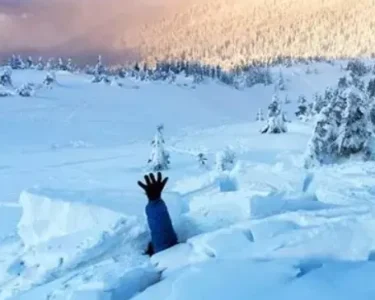
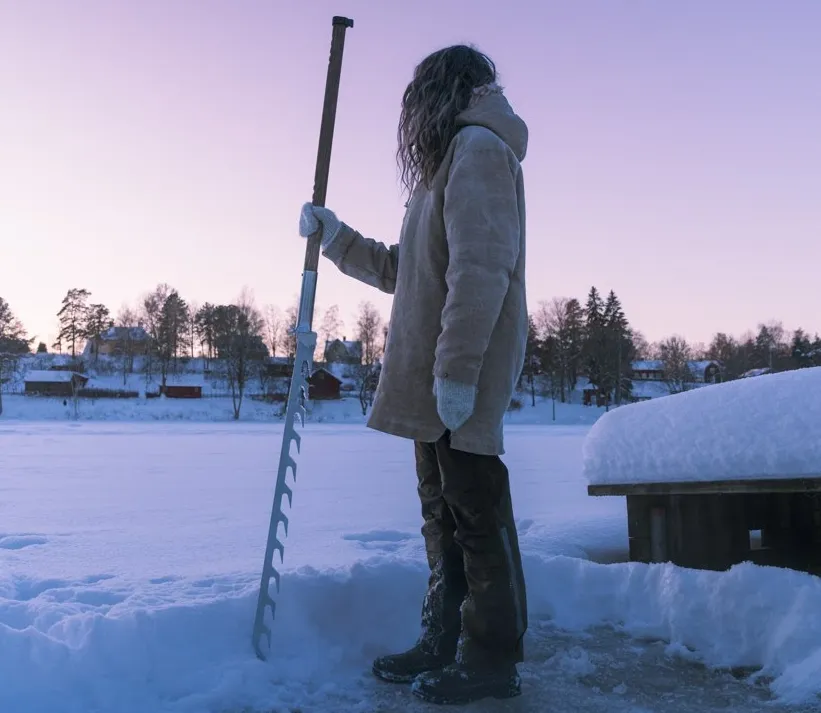
Snow transforms familiar terrain into an unrecognizable world. Paths vanish, and landmarks disappear. Rely on a compass and map, not memory. Learn to interpret subtle clues—the direction of windblown snow, tree patterns, and animal trails—to stay oriented. And always be cautious of avalanches and unstable ice. If a slope or frozen river looks questionable, detour rather than risk disaster.
Building Mental Strength in the Cold
Physical preparation can only go so far—mental resilience is what keeps you alive. The cold tests patience and decision-making. Adaptability, self-discipline, and resourcefulness become daily tools. When plans fail or supplies run low, creativity often means survival. Use what you have, stay calm, and see every problem as a chance to practice ingenuity.
Embracing the Winter Experience
Winter survival isn’t just endurance—it’s transformation. It strips away distractions and forces you to meet nature, and yourself, without filters. Every fire you build, every meal you cook, every breath of frozen air becomes a lesson in balance between vulnerability and strength.
When you’re prepared—mentally, physically, and logistically—winter stops being the enemy. It becomes the ultimate teacher. So, gear up, step into the snow, and meet the wild on its own terms. The cold will challenge you—but it will also reveal just how capable you truly are.