

 By
By A sleeping pad does more than cushion you from roots and rocks—it’s a critical part of your sleep system that adds warmth and helps you recover for the next day. With foam mats, ultralight air pads, insulated inflatables, and self-inflating models on the shelves, the best choice depends on how and where you camp. Here’s a clear, step-by-step guide to narrowing the field.
Start with your typical trip style
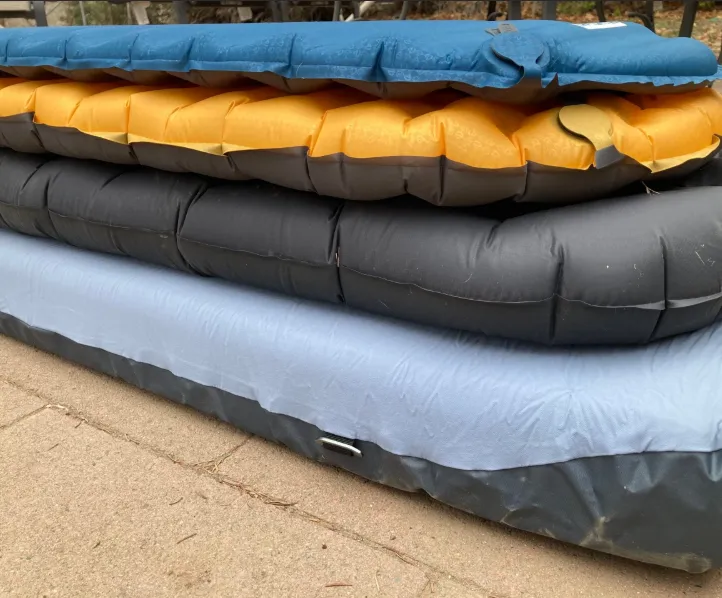
If most nights are spent beside the car, prioritize comfort and convenience. Thick, wide, self-inflating pads and plush air mats feel close to a real mattress, and weight isn’t a deal breaker. Backpackers and thru-hikers, by contrast, need low weight and compact packed size—look to ultralight air pads or durable closed-cell foam that can ride outside the pack. Winter travelers should focus on insulation: an R-value around 5 or higher helps keep ground cold from sapping your heat. In deep cold, pairing a foam pad under an insulated air pad adds warmth and redundancy.
Match the pad to your sleeping style and size
Think about how you sleep. Side sleepers often prefer thicker pads for hip and shoulder relief; restless sleepers benefit from extra width or anti-slip textures that help keep the bag planted. A standard backpacking length is about 72 inches, with wide or long versions available for broader frames or taller users. Short (torso-length) pads save weight and space; many hikers place a pack under their calves and feet to extend insulation. Tapered and mummy-shaped pads trim ounces by narrowing at the legs, while rectangular pads maximize surface area for car camping comfort.
Balance weight with packability
There’s a trade-off: heavier pads are usually cushier and quieter but bulkier; ultralight pads pack tiny and shave ounces, though they may be thinner or crinklier. Air pads generally compress smallest; foam pads are nearly bombproof and can’t puncture but take up more room and ride best on the outside of a pack. Choose according to your daily mileage, tolerance for firm sleep surfaces, and expected temperatures.
Understand construction and setup
Self-inflating vs. air pads: Self-inflating models use open-cell foam to pull in air when the valve opens; you top off with a few breaths and you’re done. They tend to be durable, supportive, and heavier. Air pads rely almost entirely on air; many now include pump sacks or integrated pumps to speed inflation and reduce moisture inside the pad.
Valves: Twist-and-pull valves are simple and familiar. One-way and high-flow flat valves make inflation faster and deflation easier, and often interface with pump sacks. Large roll-top style inlets on some pads move big air quickly.
Baffles and materials: Horizontal baffles distribute weight evenly; vertical baffles can feel more “cradling” but may taco around the body if overinflated. Quilted cell patterns aim for mattress-like stability. Side rails help keep you centered. Fabrics are typically nylon or polyester in varying deniers: higher denier is tougher and heavier; lower denier is lighter but more delicate. Nylon often wins on strength-to-weight; polyester resists UV better and absorbs less moisture. Whatever you choose, carry a small repair kit for field fixes.
Extras that matter (to some)
Hammock pads use winged shapes to insulate your shoulders and hips from drafts and can double as roomy car-camping pads, though they add bulk. Doublewide pads are great for couples and reduce the midnight gap that forms when two singles drift apart. Pad-to-bag integration systems use sleeves or straps to keep everything aligned through the night. Many lightweight inflatables include a stuff sack that doubles as a pump; some pads add small integrated pillows or textured tops to cut sliding.
Use R-value as your warmth guide
R-value estimates how well a pad resists heat loss to the ground. Higher is warmer. While testing methods vary, the scale is still a useful compass: lower R-values suit hot summer campouts; midrange numbers fit most three-season trips; high R-values shine on snow and frozen ground. If you sleep cold, pick the warmer option or stack pads.
Set a realistic budget
Cost tracks with materials, weight, durability, and warmth. Ultralight and high-R insulated air pads sit at the top end; thick self-inflating models for car camping vary by brand and features; closed-cell foam remains the budget workhorse. Decide which attributes matter most—warmth, comfort, weight, durability—and spend where those priorities live. A good pad, chosen for your conditions, will improve sleep quality more than almost any other single piece of camping gear.