

 By
By In emergencies like hurricanes, fires, floods, or earthquakes, your usual water sources might be interrupted or contaminated. In these situations, access to clean water becomes a vital issue. While most people focus on stocking up bottled water, there’s another often-overlooked resource right in your home: your water heater. With proper preparation, your water heater can provide you with a valuable supply of drinking water when other sources are unavailable.
Why Water Is So Crucial
Water is one of the most critical resources in any survival scenario. A human can typically survive only three days without water, but environmental factors and physical activity can shorten this window. For instance, in hot climates or during physical exertion, dehydration can set in quickly. If you’re already dehydrated when the emergency strikes, this timeframe may be even shorter.
For this reason, securing enough water for your household should be a priority. The average person requires around a gallon of water per day for drinking, cooking, and hygiene purposes. If you’re caught in a prolonged emergency, you’ll want to stretch your water supply as much as possible. This is where your water heater can become an invaluable backup.
The Hidden Water Source in Your Home
Most homeowners overlook the fact that their water heater contains up to 50 gallons of clean, drinkable water. This water is stored in the tank and, when needed, can serve as an emergency resource. In an average home with a family of five, the water heater could provide about 10 days’ worth of drinking water, depending on the size of the tank.
While it’s easy to forget about this resource, knowing how to access it could be a game-changer in a survival situation. Here’s how you can prepare your water heater for an emergency.
Step 1: Protect Your Water Supply
Before you begin draining your water heater, it’s essential to secure your water supply to prevent contamination. In an emergency, the city’s water system may become contaminated, and you don’t want that water entering your home.
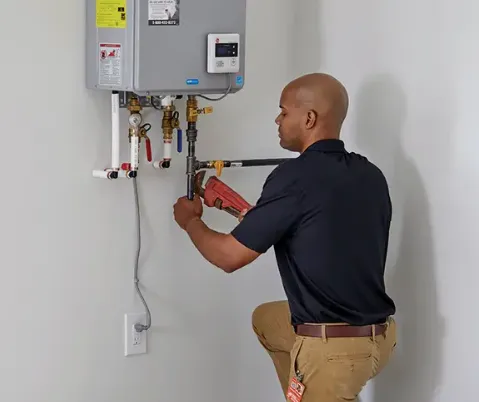
Start by turning off the cold water supply to your heater. This is usually a valve located at the top of your water heater’s pipe. Once the water supply is shut off, you can safely begin filling containers with water from your water heater. Additionally, fill up bathtubs or large containers for hygiene and cleaning, as these will be useful even if the water supply is still intact.
Step 2: Safety Precautions
Before draining your water heater, always ensure the water has cooled down. Once cool, turn off the power to your water heater. Whether it’s an electric or gas model, cutting the power is a safety measure to prevent potential burns or electrical damage.
If your water heater runs on gas, make sure to turn off the gas supply to avoid any risk when draining the water. It’s also important to remember that some water heaters can be damaged if the power comes back on while the tank is empty, so always take the time to power down the system before proceeding.
Step 3: Attach a Hose to the Drain Valve
Most water heaters come with a drain valve near the bottom of the tank, which allows you to access the water inside. To begin draining, attach a clean hose to this valve. If you’re using a hose that you found, be sure it’s clean to avoid contamination. A short hose is easier to maneuver in tight spaces like basements, and it also reduces the risk of introducing contaminants.
Run the other end of the hose into clean containers or other storage vessels for water collection.
Step 4: Open the Drain Valve
Using a flathead screwdriver or the tool that’s suitable for your heater, open the drain valve to allow water to flow out. The water may flow slowly at first, or it might not flow at all due to a vacuum effect. If that happens, simply open the air pressure relief valve at the top of the heater to let air enter, which will allow the water to flow more freely.
Once the water starts to drain consistently, monitor the flow and ensure that your containers are filling up. Don’t forget to close the drain valve once each container is full, so you can fill another one if needed.
Step 5: After the Emergency
Once the emergency is over and services have been restored, it’s important to reset everything in your home’s water system. Begin by turning on the cold water supply to your water heater and the main water supply if you shut it off earlier.
Before refilling your tank, make sure the drain valve is closed to avoid flooding. Once the tank is filled again, turn the power or gas back on and reignite the pilot light if necessary (if you have a gas water heater). If you’re unsure about relighting the pilot or handling gas lines, it’s always a good idea to contact a professional.
Final Thoughts on Home Water Sources
The water heater is just one of many potential water sources around your home. In an emergency, be resourceful and make use of other hidden supplies, such as water in toilets, water pipes, or even your washing machine’s water supply. Always remember to store a minimum of several days’ worth of drinking water and include extra in your emergency preparedness kit.
By being proactive and familiarizing yourself with your water heater and other water sources, you’ll ensure that you have access to clean water, even in the worst of situations.