


 By
By Running is one of the most effective ways to lose weight, boost your cardiovascular health, and improve your mental well-being. If you’re new to running and want to use it as part of your weight loss journey, understanding how to get started, as well as the importance of combining running with a healthy diet, is crucial.
Does Running Help You Lose Weight?
To lose weight, you need to be in a calorie deficit, meaning you burn more calories than you consume. Running is an excellent way to burn calories, which can help you achieve this goal. The number of calories burned depends on various factors such as your weight, age, running speed, and duration.
A 2013 study showed that runners lost significantly more weight than those who walked, further emphasizing the effectiveness of running for weight loss.
Getting Started with Running
Before diving into your running routine, it’s important to understand the basics:
- Frequency: How often you run
- Warm-up: Preparing your body for exercise
- Cool-down: Helping your muscles recover post-run
- Duration: How long you run each session
Here are some tips to help you ease into running and start losing weight effectively.
1. Start Slowly
If you’re new to running, it’s important not to rush the process. Starting too fast can lead to injury or burnout, both physically and mentally. A good approach is the run-walk-run method, where you alternate between running and walking. This allows you to build stamina gradually.
Once you become comfortable running longer distances, you can slowly increase your speed and the duration of your runs.
2. Focus on a Balanced Diet
While running helps you burn calories, maintaining a healthy diet is just as important in achieving weight loss. To see optimal results, focus on eating nutrient-rich foods while managing your calorie intake.
Diet Tips for Weight Loss:
- Increase your intake of fruits and vegetables
- Choose whole grains over refined grains
- Include healthy fats, such as those found in avocados and nuts
- Limit processed foods and added sugars
- Avoid sugary drinks, which can add unnecessary calories
A review of studies found that combining diet and exercise is far more effective for weight loss than diet alone, so make sure both aspects are part of your plan.
3. Incorporate Strength Training
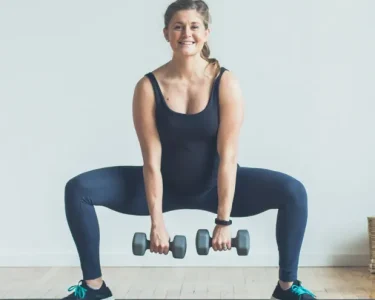
Strength training is a valuable addition to any running routine. Not only does it reduce the risk of injury, but it also boosts your metabolism, helping you burn more calories even while resting. Start with basic bodyweight exercises like squats and push-ups to build your strength, and gradually add weights as you progress.
Research shows that regular strength training can increase muscle strength, improve your metabolic rate, and help you burn more fat.
4. Add High-Intensity Interval Training (HIIT)
One way to intensify your running workouts and burn more calories is by incorporating HIIT. HIIT involves alternating between periods of high-intensity running (such as sprints) and recovery (light jogging or walking). This method not only increases calorie burn during the workout but also helps you continue to burn calories even after you finish.
Studies have shown that HIIT can lead to significant fat loss. In one study, women who followed a 6-week sprint interval training program lost an average of 8% body fat.
How Much Should You Run to Lose Weight?
There’s no one-size-fits-all answer to how much running you need to do to lose weight. It depends on various factors, including your current fitness level, your weight loss goals, and how consistently you run. However, aim to gradually increase your weekly running time and intensity, and be patient with the process.
Staying Motivated
Maintaining motivation can be challenging, especially as a beginner. Here are some tips to help you stay on track:
- Set achievable goals: Breaking down your goals into smaller, more manageable steps will help you stay motivated.
- Join a running group: Running with others can provide support and accountability.
- Change your route: Mixing things up by running different routes can keep your workouts interesting.
- Reward yourself: Celebrate milestones to keep yourself motivated, whether it’s after a great run or hitting a weekly goal.
Final Thoughts
Running is an excellent way to lose weight, improve fitness, and boost overall health. For beginners, it’s essential to start gradually, listen to your body, and combine running with a balanced diet. As you progress, incorporate strength training and HIIT to further enhance your results. Remember, consistency is key, and with patience, you’ll start seeing the benefits of your running routine in no time.
Before starting any exercise or weight loss program, it’s always a good idea to consult with a healthcare professional.