


 By
By Hiking is one of the simplest and most rewarding ways to enjoy nature. Whether you’re an experienced outdoor enthusiast or a beginner eager to escape the daily routine, finding the right trail can make all the difference. Here’s how to pick a hiking route that fits your comfort level, interests, and sense of adventure.
Why Hit the Trails?
Hiking isn’t just about exercise—it’s about connecting with nature and creating unforgettable experiences. Each trail has something unique to offer, from panoramic mountain views to quiet forest paths. With time, you’ll discover which terrains and distances suit your style best, and hiking will become second nature.
Getting to the Trailhead
Before you set out, consider how you’ll reach the trail. Some trails are easily accessible by car, while others may require navigating rough, unpaved roads. If you don’t have a vehicle, look into public shuttles, car rentals, or local hiking groups that offer rides. Certain cities even run shuttle services to popular trailheads, making it easier to explore without driving yourself.
How to Choose a Trail
Like any activity, hiking gets easier with practice. Start with short, well-marked trails before progressing to longer or steeper routes. When selecting a hike, keep a few key factors in mind.
Understand the Terrain
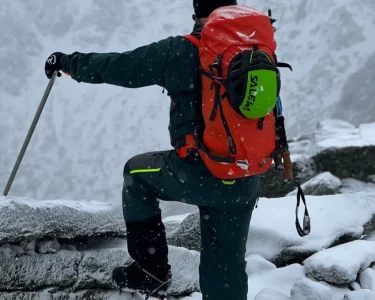
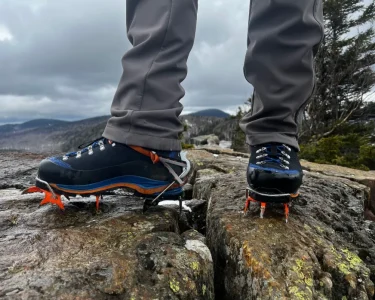
Research the landscape beforehand. Forest trails can quickly turn into rocky climbs or snowy slopes as elevation increases. Knowing what type of terrain to expect helps you prepare with the right gear—whether that means sturdy hiking boots, trekking poles, or traction devices for icy paths.
Consider Distance and Elevation
Trail descriptions often include mileage and elevation gain. Don’t rely solely on difficulty ratings; what’s “easy” for one person may be challenging for another. As a beginner, aim for less than 500 feet of elevation gain per mile. The steeper the climb, the tougher the workout, so plan accordingly.
Estimate Your Time
Trail length doesn’t always reflect how long a hike will take. Beginners should use estimated hike times provided by rangers or guidebooks, as they often allow for slower pacing. Once you gain experience, apps like Gaia GPS or Garmin can help you track your speed and improve your timing on future hikes.
Research Trail Conditions
Check recent trip reports for current information. These reports often note weather changes, muddy sections, snow cover, or stream crossings that could affect your hike. Always verify whether the trail is open and accessible to all vehicle types, and if traction gear or permits are recommended.
Watch the Weather
Weather can change quickly in the mountains. Use reliable sources such as weather.gov to check forecasts for both the base and summit elevations. Look at expected temperatures, wind speeds, and precipitation, and take a screenshot before heading out in case you lose service.
Interpreting Trail Ratings
Online resources like AllTrails or WTA.org can be helpful, but don’t take their “easy” or “difficult” labels too literally. Until you gain experience, use these ratings as general guidance rather than strict rules. Over time, you’ll learn what fits your comfort zone.
Tap Into Local Knowledge
If you’re unsure where to start, reach out to local ranger stations for advice. Rangers can recommend trails suited to your fitness level and provide updates on closures or permits. You can also ask friends, coworkers, or members of hiking clubs for suggestions. Social media can offer inspiration, but always research trail stats and conditions before setting out.
Be Prepared Before You Go
Before your hike, confirm a few final details:
- Trail popularity: Heavily trafficked trails are great for beginners who want the reassurance of seeing others around.
- Parking: Check satellite images of the trailhead to gauge parking availability, and aim to arrive early.
- Pets: Confirm if dogs are allowed, especially in national parks where restrictions are common.
- Permits: Research whether you need a pass or day-use fee. Always bring cash for on-site payments.
Safety First
Share your hiking plans with someone before you go. Text a friend the trail name and your expected return time. If you don’t check in by then, they’ll know to follow up. Simple communication like this can make a big difference if something goes wrong.
Giving Back to the Hiking Community
Once you’ve enjoyed the trails, consider giving back. Volunteering for trail maintenance groups helps keep paths safe and accessible for others. You can also become a mentor through local outdoor programs to inspire and guide new hikers.
Final Thoughts
Choosing the right hiking trail doesn’t have to be overwhelming. With a bit of research, preparation, and curiosity, you can find the perfect balance between challenge and enjoyment. Start small, hike safely, and remember—the best trail is the one that gets you outside and keeps you coming back for more.