

 By
By When you’re planning to spend a night outdoors, your tent becomes your home away from home. It shields you from the elements, keeps bugs at bay, and ensures a good night’s sleep so you can recharge for the next day’s journey. Selecting the right one depends on how and where you camp—whether you’re trekking through the wilderness, setting up a cozy campsite by your car, or tackling extreme winter conditions.
Understanding Different Camping Styles
Before you start browsing, think about how you’ll use your tent most often. Backpackers need something lightweight and compact, while car campers can afford larger, more comfortable options. Mountaineers and winter adventurers, on the other hand, need rugged shelters designed for harsh conditions.
Car Camping Tents
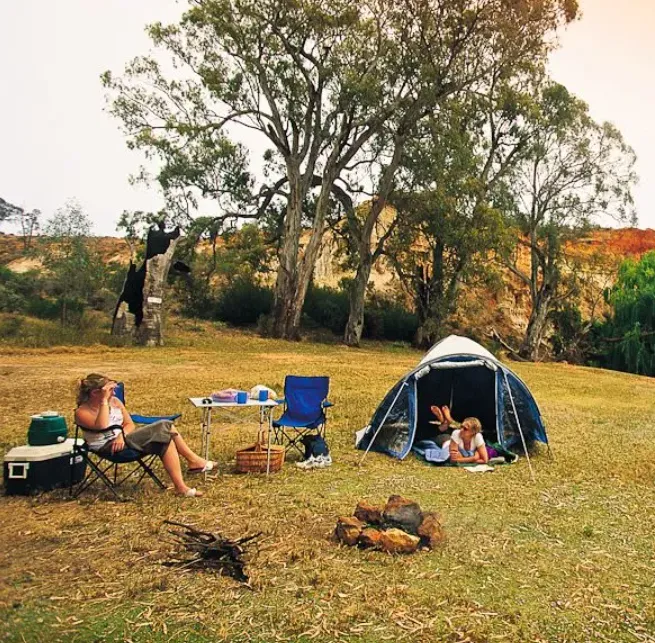
These models focus on comfort and space rather than weight. They’re ideal for families or groups who can park close to their campsite. Most are freestanding, quick to pitch, and come in sizes for four to eight people. Expect plenty of headroom, storage space, and ventilation—perfect for relaxed weekends outdoors.
Backpacking Tents
If you’ll be carrying your shelter on your back, weight and packability become top priorities. Backpacking tents typically accommodate two to three people, striking a balance between comfort and lightness. Three-season versions are the most common, offering ample ventilation, rain protection, and useful features like double doors and vestibules. For winter trips, look for four-season models that can handle wind, snow, and cold temperatures.
Winter and Mountaineering Tents
Built to withstand extreme weather, these four-season tents are tougher, heavier, and more enclosed than standard backpacking options. Their sturdy poles, minimal mesh, and full-coverage rainflys keep out wind and snow. While not ideal for summer hikes, they’re essential for mountaineers and winter campers.
Choosing the Right Size
Tent capacities are labeled by the number of people they can fit, but that doesn’t always mean comfort. A two-person tent is cozy for two and spacious for one, while a three-person tent offers more elbow room for two hikers or extra space for gear—or even a dog. For families, a six-person tent often feels just right for four people, leaving room to spread out.
Balancing Weight and Comfort
The perfect tent balances weight, durability, and livability. Ultralight models save effort on long hikes but may sacrifice comfort, while heavier tents offer more space and stability. When comparing, check these key specs:
- Packed Weight: The total weight of everything in the box—tent body, poles, stakes, and stuff sacks.
- Trail Weight: What you’ll likely carry—just the essentials.
- Fast-Pitch Weight: For tents with modular designs, this is the lightest setup using only the rainfly, poles, and footprint.
Livability Factors:
Floor area and peak height determine how roomy the interior feels, while the number of doors and vestibules affects convenience. Two doors mean you won’t crawl over your partner, and vestibules provide storage for wet gear. Ventilation is also vital; good airflow minimizes condensation overnight. Interior pockets and gear lofts help keep essentials organized and within reach.
Alternative Lightweight Shelters
If shaving ounces is your goal, consider minimalist options.
- Bivy sacks offer just enough protection for solo campers.
- Hammocks with bug nets and tarps are a fun, airy alternative in forested areas.
- Ultralight tarps provide the bare minimum of shelter for experienced hikers who prioritize speed and minimalism.
Key Design Features to Consider
How a tent is built affects ease of use and performance:
- Freestanding tents are simple to set up and stand without stakes—great for most campers.
- Non-freestanding tents require guy lines and stakes, saving weight but demanding more effort to pitch.
- Single-wall designs are lighter and better for cold conditions, while double-wall tents (inner mesh plus rainfly) handle condensation better and suit most three-season adventures.
- Modular fast-pitch setups let you leave the inner tent at home for an ultralight option—ideal for quick trips in dry weather.
- Footprints protect your tent floor from abrasion, extending its lifespan.
Don’t Forget the Accessories
Sturdy stakes and durable guy lines are small but essential details that impact your tent’s stability in wind or rain. Many campers upgrade these components for lighter or stronger versions. Practice pitching your tent before heading out so setup in the backcountry is smooth and stress-free.
Setting a Budget
High-end ultralight models often come with premium price tags. If you’re new to camping or working within a budget, reliable mid-range options like REI or Marmot’s three-season tents offer excellent performance without breaking the bank. Prioritize what matters most—space, weight, or durability—and invest accordingly. A well-chosen tent can last for years and make every outdoor trip more enjoyable.
Final Thoughts
Your tent is more than just gear—it’s your refuge in the wild. Whether you’re backpacking through rugged trails, camping with family, or scaling snowy peaks, choosing the right shelter makes all the difference between a rough night and a restful one. Take time to evaluate your needs, compare options carefully, and find the perfect fit for your adventures.