

 By
By A multitool is one of those items you don’t realize you need until the moment you actually do. From quick household fixes to outdoor survival situations, it can serve as your go-to solution for almost anything. But with so many designs, features, and price points available, choosing the right one can feel overwhelming. To make that decision easier, here’s a breakdown of what to look for when selecting a multitool that truly fits your needs.
Understanding Multitools
Modern multitools fall into two main categories: plier-based tools and plierless tools. Both types can be incredibly useful, but the best choice depends on how and where you plan to use them. Plier tools tend to be bulkier but handle tough jobs better, while plierless models are more compact and ideal for light-duty or everyday carry.
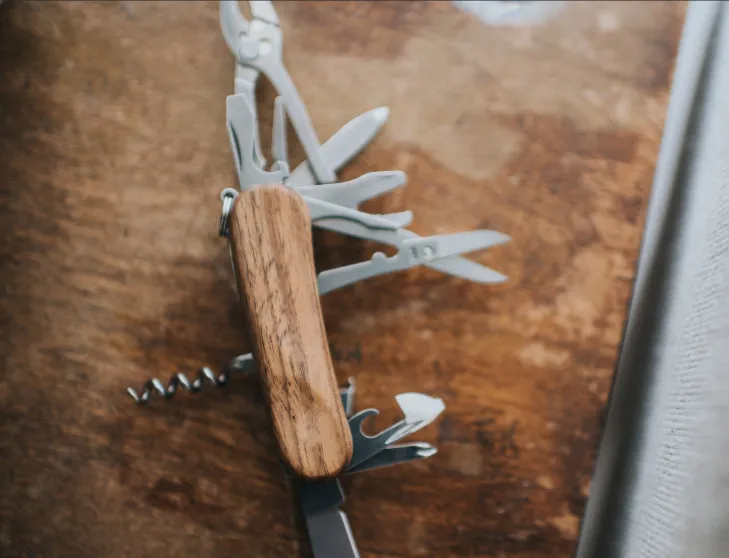
The idea of a compact “toolbox in your pocket” dates back over a century. Victorinox first introduced the Swiss Army Knife in the 1890s, revolutionizing portable functionality. Then, in the 1980s, Tim Leatherman reinvented the concept with his namesake multitool — a plier-based design capable of tackling household repairs, camping gear fixes, and on-the-go adjustments. Since then, countless manufacturers have refined and expanded on the idea, offering multitools for everything from everyday convenience to rugged outdoor use.
1. Determine Your Primary Use
Before buying, think about how you’ll use your multitool most often. Are you looking for something to keep in your backpack for emergencies, or do you need a reliable tool for daily use?
Do You Need Pliers?
Pliers are the hallmark of traditional multitools, offering strength and versatility. They can handle a range of jobs — pulling nails, tightening bolts, or even cutting wire. However, if you don’t often need pliers, you might prefer a lighter, plierless multitool that focuses on compact functionality like screwdrivers, blades, and bottle openers.
Which Tools Do You Really Need?
Manufacturers often pack multitools with a dozen or more functions, but not all of them will be relevant to your lifestyle. Some include multiple screwdrivers or bit drivers, while others feature scissors, saws, or wire strippers. Consider your most frequent needs — whether it’s for DIY tasks, outdoor adventures, or daily fixes — and choose a model that prioritizes those tools over sheer quantity.
2. Decide How You’ll Carry It
Portability is key when it comes to multitools. How you plan to carry yours will influence its size, design, and even the materials you should look for.
Glovebox or Backpack Carry
If your multitool will live in your car or pack, size and weight aren’t major concerns. Larger, heavier tools are fine since they won’t be carried on your person all day. This setup works best for multitools with pliers, as they offer the most functionality when you’re away from your full toolbox.
Belt Carry
Wearing a multitool on your belt gives you quick access while keeping your pockets free. Many come with a sheath or clip designed for this purpose. It’s ideal for professionals, outdoors enthusiasts, or anyone who frequently needs their tool at hand.
Pocket Carry
For everyday use, a smaller, lightweight multitool that slips easily into your pocket is the most practical. These compact designs are discreet and convenient but often trade heavy-duty capability for portability.
3. Durability and Build Quality
A multitool’s construction determines how well it performs and how long it lasts. Most are made from stainless steel or high-carbon alloys, which provide a balance of strength and corrosion resistance. Some premium models use specialized steels for greater durability.
Construction
Pay attention to how the tool is assembled. Some are riveted together, making them harder to repair if something breaks, while others use bolts that allow for maintenance and tightening. A well-built multitool should feel solid, with tools that open smoothly and lock securely in place.
Ergonomics
Comfort matters more than you might expect. Poorly designed handles can pinch your hands or cause discomfort during use. Look for smooth, rolled edges and a handle shape that feels natural to grip — especially if you’ll be using it for extended tasks.
Cost
As with most tools, you get what you pay for. High-end multitools often feature superior materials, better craftsmanship, and longer lifespans. That said, there are plenty of affordable models that deliver great performance for casual use. The key is finding one that meets your needs without overpaying for features you’ll rarely use.
4. Knife or Multitool — Or Both?
Many multitools include a knife blade, but that doesn’t necessarily replace the need for a dedicated knife. A blade on a multitool is typically smaller and less ergonomic than a standalone knife. If cutting tasks make up most of your intended use, you may want to carry both.
- If you want one tool that does it all: Choose a multitool with a high-quality knife blade made from durable, corrosion-resistant steel.
- If you already carry a knife: You can focus on a multitool with other functions instead, since your knife will handle the cutting duties.
5. Maintenance and Cleaning
Like any tool, multitools require occasional maintenance. Regularly cleaning out dirt, lint, and debris from the hinges and locking mechanisms keeps the tool operating smoothly and safely. This is especially important if you carry it daily, as pocket lint can jam the locks and make the blades difficult to open.
A simple cleaning routine — wiping it down, applying a small amount of lubricant, and checking for loose screws — will keep your multitool in top condition for years.
Final Thoughts
A multitool is one of the most useful items you can own, bridging the gap between convenience and capability. Whether you’re fixing gear at camp, making quick home repairs, or simply tightening a screw on the go, the right multitool ensures you’re always prepared. By considering how you’ll use it, where you’ll carry it, and the features you actually need, you’ll find a multitool that fits seamlessly into your lifestyle — and quite possibly, one you’ll never leave home without.