

 By
By Selecting the right knife can be a challenge, with so many options available in both fixed blade and folding styles. Knives are an essential tool for a variety of activities, from everyday tasks to outdoor adventures, and understanding the different types and their uses is key to finding the best one for you. In this guide, we’ll break down what to consider when choosing a knife, whether you’re looking for a hunting blade, an everyday carry (EDC) knife, or something for a specific outdoor activity.
1. How Will You Use the Knife?
The first step in choosing the right knife is understanding what you’ll be using it for. Different knives are suited for different tasks, and picking one based on its intended use is essential.
Fixed Blade Knives
Fixed blade knives are sturdy, durable, and commonly used for tasks like hunting, camping, and tactical purposes. They are excellent for heavy-duty use, such as skinning a deer or cutting through tough materials. However, they are bulkier and not ideal for everyday carry, unless you need a knife for work that requires heavy-duty cutting.
Folding Knives
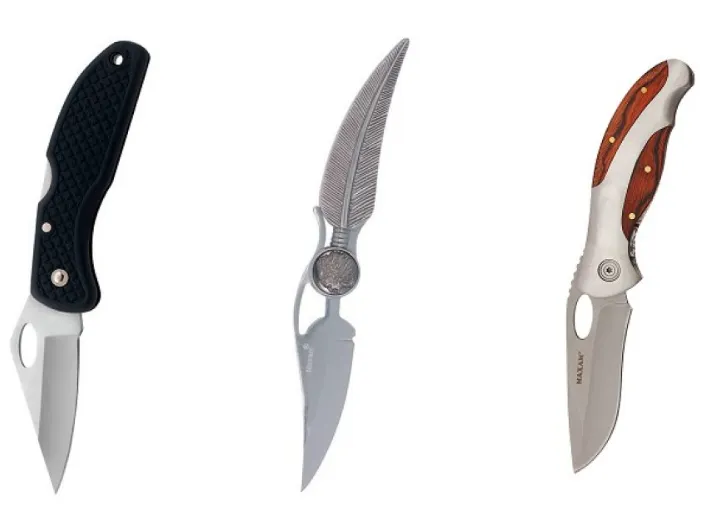
Folding knives, or pocket knives, are compact, versatile, and perfect for everyday carry. They’re popular due to their portability and ease of use. Most folding knives have blades under 4 inches, making them legal in most states. They’re great for smaller tasks like cutting rope, food prep, or opening packages.
2. How and Where Will You Carry the Knife?
How and where you carry your knife is another important consideration. There are various legal regulations surrounding knives, so it’s essential to check local laws regarding what you can carry and where. Once you know the rules, consider the convenience of carrying the knife:
Backpack Carry
Carrying a knife in your backpack is often the safest option for both fixed and folding blades. The downside is accessibility – you’ll need to stop and take off your pack to access it. This isn’t a big deal during hikes, but it can be inconvenient when you need the knife in a hurry.
Belt or Strap Carry
Fixed blade knives are often carried on a belt or strap, which makes them easily accessible. While this is convenient in the field, it may be less acceptable in urban environments where displaying a large knife might attract attention.
Pocket Carry
Folding knives are ideal for pocket carry. Their compact size allows you to keep them on hand without drawing attention. Pocket knives are great for everyday use, as they are discreet and convenient for tasks that come up throughout the day.
3. What Type of Environment Will You Be Using the Knife In?
The environment you plan to use your knife in plays a crucial role in the material and blade composition you choose. Some materials resist corrosion better than others, and understanding the differences will help ensure you get a durable knife.
Tool Steels
Tool steels are known for their toughness and ability to hold a sharp edge, making them great for heavy-duty tasks. However, they are prone to rusting, especially in wet or salty environments. Proper maintenance is required to keep them in good condition.
Stainless Steels
Stainless steel is more resistant to corrosion, making it a better option for wet or outdoor environments. However, it isn’t as durable as tool steel when it comes to edge retention, and it won’t work with a ferro rod to start a fire.
Boutique Steels
Boutique steels are newer and offer a combination of excellent edge retention, corrosion resistance, and durability. These high-quality materials are designed to perform well in various conditions, although they don’t work with ferro rods for fire-starting.
Handle Material
The handle material is just as important as the blade itself. Different materials perform better in different environments. G-10, Micarta, and carbon fiber are great options for wet or slippery conditions due to their textured surfaces, which help with grip. Wood or bone handles may look attractive but aren’t as reliable when wet.
4. Consider Owning Multiple Knives
Depending on your activities, you might find that having more than one knife is necessary. For example, if you work in a warehouse and spend your weekends hunting, you’ll need both an everyday carry knife and a specialized hunting knife. While a good EDC knife can handle basic tasks, a hunting knife is designed specifically for tasks like field dressing or skinning, making it more efficient than a standard pocket knife.
A multitool might also be helpful if you frequently engage in activities that require more than just a blade. They can combine several tools in one compact design, making them versatile for a wide range of tasks.
5. Will This Be a Knife You’ll Carry All the Time?
When selecting a knife that you plan to carry consistently, there are additional factors to consider, such as ergonomics, weight, and cost.
Ergonomics
A comfortable grip is essential, especially for a knife you’ll use regularly. Knives come in different sizes, and their handles may be designed for either smaller or larger hands. It’s important to test the knife in your hand before purchasing to ensure it feels comfortable and secure.
Weight
Weight is an important factor, particularly for knives that you’ll carry daily. If you plan to carry it in your pocket, you don’t want a knife that’s too heavy and causes discomfort. On the other hand, if you’re carrying it in your bag or on your belt, weight may be less of a concern.
Cost
While there are knives available at various price points, a more expensive knife isn’t always necessary. However, investing in a high-quality knife that you’ll carry every day is worth it. A well-built knife can last for years, while cheaper alternatives may not provide the same durability or performance.
Conclusion
Choosing the right knife depends on your specific needs, environment, and personal preferences. Whether you’re looking for an everyday carry knife or a specialized tool for outdoor adventures, understanding the types of knives available and their features will help you make the best decision. Keep in mind how you plan to carry the knife, the environment you’ll use it in, and your budget. A good knife is an investment, and when chosen wisely, it can serve you well for years to come.