

 By
By When it comes to hiking, the right footwear can make all the difference in comfort and performance. Whether you’re taking a short hike through the woods or embarking on a challenging multi-day trek, your shoes or boots should provide the support, durability, and protection you need for a smooth journey. To help you find the best pair for your needs, we’ve broken down the different types of hiking footwear, what to consider when selecting them, and some of the top-rated options available.
Types of Hiking Footwear
Hiking footwear is not a one-size-fits-all category. Different types are designed for different hiking styles, terrain, and conditions. To simplify things, we categorize hiking footwear into three main types: hiking shoes, light hiking boots, and full hiking or backpacking boots. We also have options for winter hiking, which feature extra insulation for cold weather outings.
1. Trail Length, Terrain, and Load
The first step in choosing your ideal hiking footwear is understanding your hiking style. Your choice will depend on the length of your hike, the type of terrain, and the weight of your backpack. Here’s a quick guide:
Short Day Hikes (1-5 miles)
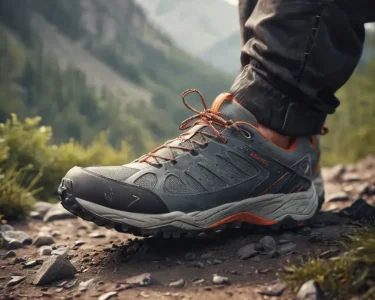
For short hikes on smooth, well-maintained trails, lightweight hiking shoes are the best option. These shoes are flexible, breathable, and offer enough traction for moderate terrain. They’re designed to keep your feet comfortable without adding extra weight, making them perfect for short excursions.
Moderate Day Hikes (1-15 miles)
If you enjoy day hikes on more rugged or varied surfaces, light hiking boots are a great choice. These boots provide more protection and support than hiking shoes, with extra cushioning and durable materials to handle uneven ground. They’re ideal for carrying a small day pack and spending several hours on the trail.
Backpacking Trips (15+ miles)
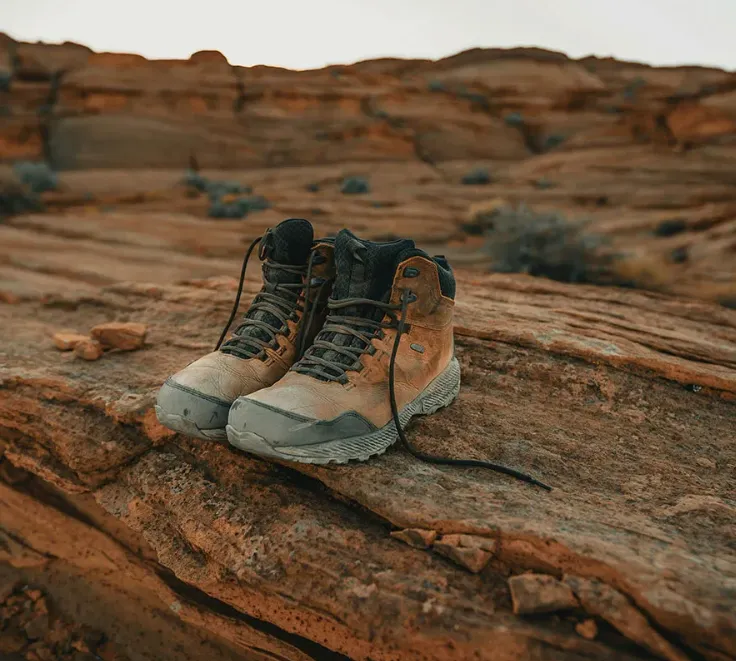
For longer treks, especially those that involve carrying a heavier load or hiking on rough, uneven terrain, you’ll need a sturdy backpacking boot. These boots offer superior ankle support, better cushioning, and stronger materials to withstand the wear and tear of heavy loads over long distances. They’re typically waterproof and built for durability in challenging environments.
2. Ankle Stability
When selecting hiking footwear, it’s essential to consider your ankle stability. Some hikers have ankles that remain stable, while others may experience more flexing or rolling on uneven surfaces. If your ankles tend to flex, look for boots with higher collars and extra padding to provide support and prevent sprains.
Stable Ankles
If you have strong ankles and don’t typically roll them on uneven terrain, a hiking shoe might be sufficient. These shoes are lighter, cooler, and more flexible, but they don’t offer as much ankle protection or support on rougher terrain.
Flexible Ankles
If your ankles tend to roll, a mid-rise hiking boot or a higher-cut backpacking boot would be more beneficial. These boots provide additional support through higher collars and extra padding. They may feel slightly warmer and bulkier, but they offer much-needed protection, especially when carrying a heavy pack.
3. Fit and Adjustability
Proper fit is crucial for comfort and performance. When trying on hiking boots or shoes, consider the following:
Length
Ensure there’s enough room between your toes and the front of the shoe, especially since your feet may swell during a hike. A good fit should leave about a thumb’s width of space at the toe.
Toe Box Width
Everyone’s feet are different, so finding a shoe with a toe box that suits your foot shape is essential. A snug fit is ideal, but avoid shoes that squeeze or leave too much extra room.
Lacing System & Tongue Padding
The lacing system should be adjustable, offering a secure fit. Look for padded tongues and ankle collars that prevent discomfort and help keep the shoes in place.
Heel Hold
For optimal protection, your shoes or boots should secure your foot well around the heel to minimize movement. A molded heel cup can improve fit and reduce slippage, preventing discomfort on long hikes.
4. Key Features and Components
Several technical aspects can impact the overall performance of hiking footwear. Here’s what to keep in mind:
Ventilation & Waterproofing
Quality hiking boots and shoes feature breathable materials, such as mesh panels, to allow airflow and wick moisture away. If you’re hiking in wet conditions, waterproof membranes or gusseted tongues can help keep water and debris out while ensuring your feet stay dry.
Ankle Support
Mid-rise and high-cut boots provide better ankle support, especially for backpackers carrying heavy loads. Look for boots with reinforced ankle protection and cushioned padding along the shaft for added comfort.
Cushioning & Foot Protection
A well-cushioned insole reduces the impact on your feet, especially during longer hikes. For extra protection, consider boots with reinforced toe and heel guards to shield your feet from rocks and rough surfaces.
Traction
The quality of the outsole is a critical factor in performance. Boots with deep, durable lugs provide better traction, helping you maintain grip on slippery, rocky, or uneven surfaces.
5. Durability and Price
Durability is essential for any hiking boot or shoe, especially if you hike frequently or over tough terrain. Look for high-quality construction that can withstand scuffs, abrasions, and wear over time. Better materials may come with a higher price tag, but the investment can be worthwhile for serious hikers.
As for price, it’s important to consider your specific needs. Casual hikers may not need to invest in high-end, heavy-duty boots, while backpackers will benefit from spending a little more on durable, supportive footwear.
Top Hiking Boots & Shoes
Now that you know what to look for, here are some of the best options available:
Best Overall: Salomon Quest 4D II
Salomon’s Quest 4D II offers excellent performance across all terrains, combining comfort, support, and durability for long backpacking trips. It’s highly rated for its versatility and robust construction.
Best for Durability: Oboz Wind River III
Designed for heavy use, the Oboz Wind River III is a sturdy backpacking boot that offers great lateral stability and arch support. While its traction on slippery surfaces is average, it excels on rocky terrain.
Best for Technical Terrain: Salewa Mountain Trainer Mid GTX
Ideal for alpine adventures, this boot provides ample support and protection on rocky terrain. However, it may not be as comfortable for longer hikes on less challenging trails.
Best for Lightweight Hiking: Scarpa Kailash Trek GTX
A lightweight but durable option for day hikes or lighter backpacking, the Scarpa Kailash Trek GTX offers good protection against debris and water while keeping weight to a minimum.
Conclusion
Choosing the right hiking boots or shoes is essential for any outdoor adventure. Whether you’re a casual day hiker or a seasoned backpacker, the right footwear can enhance comfort, prevent injury, and improve your overall experience on the trail. By considering your hiking style, terrain, and the fit of the boot, you can confidently select the right pair for your next outdoor excursion.