

 By
By When it comes to cooking in the great outdoors, a reliable camping stove can make or break your trip. From simmering soups to brewing that essential morning coffee, the right stove turns a campsite into a kitchen. But with so many types, designs, and fuel systems available, choosing the right one can feel overwhelming. To help you make the best choice, we’ve broken down how camping stoves are tested, categorized, and matched to different camping styles.
How We Evaluate Camping Stoves
Our testing focuses on two main criteria: performance and durability. First, we assess how well each stove handles actual cooking tasks—how efficiently it boils water, simmers food, and maintains consistent heat. Second, we evaluate how it performs as outdoor gear—how durable it is, how it functions in windy or cold conditions, and how design details affect overall usability.
We grouped the best camping stoves into three main categories: car camping stoves, liquid fuel stoves, and canister stoves.
Car Camping Stoves
Car camping stoves are built for comfort and convenience. They typically run on propane and feature multiple burners for cooking several dishes at once. These are the classic stoves you’ll find at campgrounds, picnic sites, and tailgates—sturdy, reliable, and powerful enough to handle hearty meals.
They’re not designed for backpacking; they’re too heavy and bulky for that. But if your car is parked nearby, these stoves are unbeatable. Think eggs, pancakes, and sizzling bacon rather than freeze-dried noodles. Some models even include extra features like built-in windscreens, removable griddles, or stands for added comfort.
Popular brands like Coleman and Primus have perfected this category, offering everything from budget-friendly two-burner stoves to high-end models with precision control and durable construction.
Liquid Fuel Stoves
If your adventures take you far from civilization, a liquid fuel stove is your best bet. These rugged, high-performance stoves are favored by mountaineers, guides, and expedition campers because they perform well in extreme environments and work with multiple fuel types.
Liquid fuel stoves burn white gas, unleaded gasoline, or kerosene, depending on availability. Many modern models can even switch between liquid and canister fuels, offering flexibility when traveling internationally or camping off the grid.
While they require more skill to operate—pressurizing, priming, and maintaining fuel lines—their reliability in cold weather and high altitudes makes them essential for remote or winter trips. If you’re cooking above the treeline or trekking across glaciers, this is the stove you want in your pack.
Canister Stoves
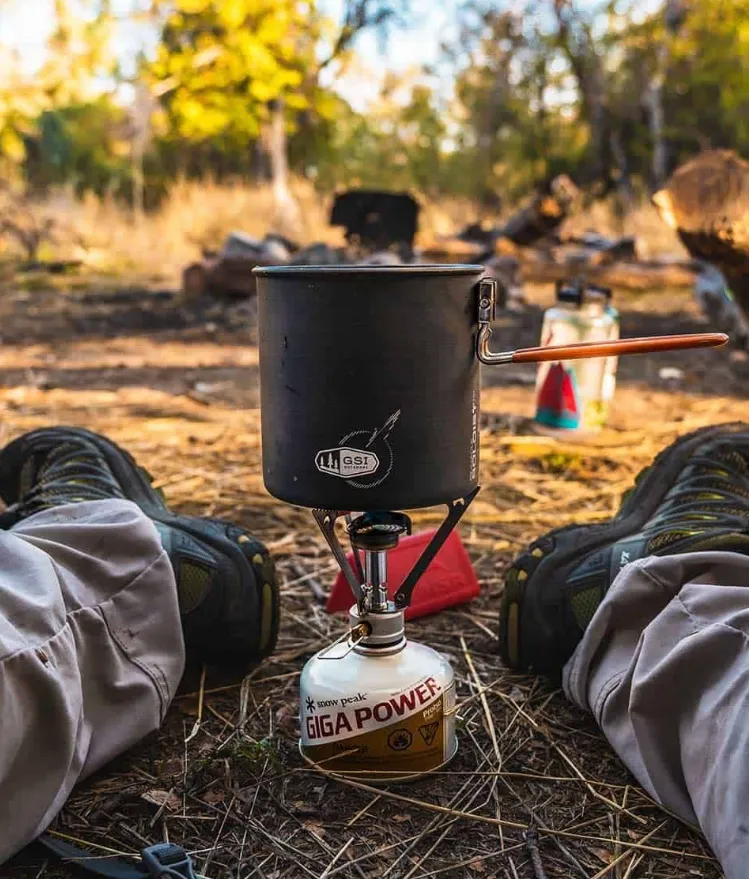
For backpackers and minimalist campers, canister stoves are the go-to choice. Compact and easy to use, they screw directly onto small fuel canisters containing a mix of isobutane and propane. Their simplicity and speed make them perfect for boiling water or preparing quick meals on the trail.
Canister stoves come in two main forms: upright designs, which attach directly to the canister, and remote canister stoves, which use a short fuel line to separate the burner from the canister for better stability and performance in cold weather.
The rise of integrated cooking systems, like those pioneered by Jetboil, has made canister stoves even more efficient. These setups pair a stove with a custom pot featuring heat-exchange fins, which improve fuel efficiency and wind resistance. They’re ideal for solo hikers who prioritize speed and portability.
While canister stoves excel in convenience, they can struggle in freezing conditions as gas pressure drops. Some advanced models now include built-in regulators that maintain consistent performance even when temperatures plummet.
How to Choose the Right Stove
Before you buy, consider how and where you plan to use your stove.
1. Type of Camping
If you’re camping near your car or setting up a basecamp, go with a car camping stove. For backpacking or long treks, choose a canister stove for its portability. If your adventures take you to cold, remote, or high-altitude regions, a liquid fuel stove is the most dependable option.
2. Solo or Group Cooking
Car camping stoves are perfect for families and groups, with multiple burners for large pots and shared meals. Backpackers and solo travelers, on the other hand, will appreciate the efficiency of small canister stoves that can boil water in minutes.
3. Climate and Conditions
Cold-weather campers should avoid relying solely on canister stoves, as gas pressure drops in freezing temperatures. Liquid fuel stoves, which handle low temperatures better, are the preferred choice for winter use.
4. Cooking Style
If you love gourmet camp cooking, choose a stove with adjustable flame control for simmering and sautéing. If you just need boiling water for instant meals, an ultralight canister system will save time and weight.
5. Budget
Prices vary widely by category. Canister stoves are usually the most affordable, while high-end liquid fuel and multi-burner stoves cost more due to their materials and versatility. A basic propane stove might cost $50, while advanced expedition stoves can exceed $200.
Final Thoughts
The best camping stove depends entirely on your adventure style. If you’re car camping with friends, go for a multi-burner propane stove that can handle big breakfasts. If you’re venturing deep into the wilderness, a liquid fuel stove will be your most reliable companion. For ultralight hikers chasing sunrise views, a compact canister stove offers unbeatable simplicity.
No matter what you choose, the right stove transforms a campsite into a kitchen—and makes every meal outdoors taste that much better.