

 By
By Anyone who’s ventured into the mountains knows that mountaineering demands serious gear—and a dependable backpack to carry it all. Between crampons, ice axes, ropes, food, and layers, your pack quickly becomes both your lifeline and your load. Choosing the right one can make the difference between a comfortable climb and a grueling haul.
Mountaineering Packs vs. Backpacking Packs
At first glance, mountaineering and backpacking packs might look similar, but they’re built for very different environments. Backpacking packs are designed for comfort over long trails, often featuring extra pockets, zippers, and compartments that add convenience—but also weight. In mountaineering, every ounce matters. The best alpine packs strip things down to the essentials.
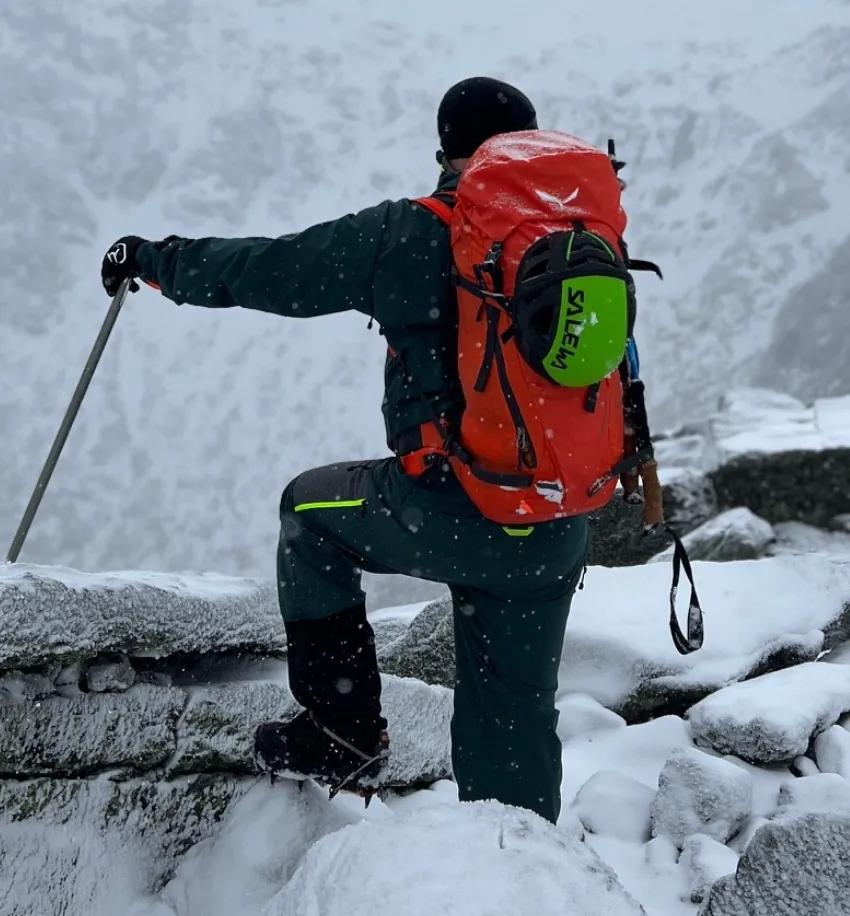
Mountaineering packs prioritize simplicity and efficiency. You’ll typically find one large main compartment with a removable top lid (often called the “brain”) and a few carefully placed attachment points for gear like ice axes, helmets, and trekking poles. Unlike backpacking packs, they avoid mesh side pockets that can snag on rock or ice.
Another key distinction is fit. Mountaineering packs sit higher on your hips, keeping the waistbelt clear of your climbing harness. This allows you to wear both comfortably during technical ascents. While most alpine packs skip full waterproofing, they’re made with rugged materials that can handle harsh weather and rough terrain.
Choosing the Right Pack for Your Climb
Selecting a mountaineering backpack comes down to matching your gear needs with the nature of your climb. Here’s what to consider before you buy:
1. Trip Length and Type
The duration of your expedition will determine your pack’s volume. For single-day climbs, a compact, lightweight model will do the job. Multi-day expeditions require more space for extra gear, food, and insulation layers. Also consider the approach—are you trekking through long valleys before reaching the glacier, or heading straight up from the trailhead? Longer approaches call for extra comfort and capacity.
2. Climbing Style and Experience
If you’re an experienced climber who prefers a fast-and-light strategy, look for minimalist designs that shed unnecessary features. For those new to the sport or climbing with a guided team, a slightly larger, more structured pack can make carrying extra essentials easier.
3. Fit and Comfort
Although most alpine packs are unisex, fit still matters. Some brands offer women-specific designs with tailored shoulder straps and hip belts that better match female body shapes. The right pack should feel balanced, with even weight distribution and secure load control for tricky terrain.
Recommended Mountaineering Packs
Best for Single-Day Climbs – Black Diamond Speed 30
Light, tough, and purpose-built for alpine routes, the Speed 30 offers just enough space for essentials. Removable components like the lid and waistbelt help trim weight, and integrated ice tool attachments keep everything secure.
Best for 2–4 Day Expeditions – Black Diamond Mission 75
Designed for durability without extra bulk, the Mission 75 handles both full loads and summit-day minimalism with ease. It’s a reliable choice for climbs that span several days, offering structure without unnecessary complexity.
Best Women’s Expedition Pack – Osprey Ariel 65
A women-specific fit with adjustable features makes the Ariel 65 a great option for longer climbs. Its customizable hip belt and frame provide comfort for a wide range of body types, ideal for multi-day trips.
Best for Extended Expeditions – Mountain Hardwear AMG 105
Built for major mountain objectives, the AMG 105 offers high-capacity storage supported by a lightweight aluminum frame. It’s designed for carrying heavy loads to base camp, yet remains comfortable and balanced when stripped down for summit pushes.
Final Thoughts
A mountaineering backpack isn’t just a container—it’s part of your climbing system. The right one balances durability, comfort, and simplicity, allowing you to move efficiently through challenging terrain. When in doubt, choose a pack that matches your experience, the length of your climb, and your comfort preferences.
The mountain will always test you—but the right backpack should make carrying your gear the easiest part of the adventure.