

 By
By When it comes to mountaineering, few pieces of gear are as critical as your boots. They’re the connection between you and the mountain—your stability, warmth, and comfort all depend on finding the right pair. With so many models and materials on the market, choosing the right boot can feel overwhelming. Whether you’re tackling your first glaciated peak or preparing for a high-altitude expedition, understanding the main boot types and how they fit will help you make a smart, confident choice.
Understanding the Different Types of Mountaineering Boots
Mountaineering boots fall into three main categories: single boots, double boots, and high-altitude boots. Each serves a different purpose depending on temperature, terrain, and the type of climbing you’ll be doing.
Single Boots
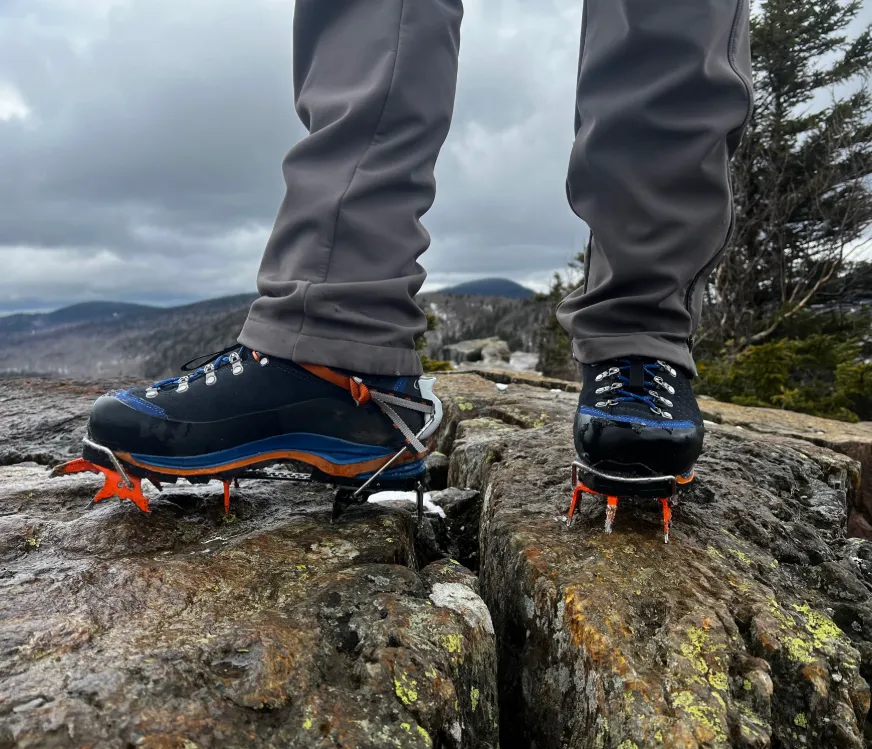
For most general alpine climbs, a single boot will do the trick. These boots are typically made from durable leather or synthetic materials and resemble rugged hiking boots, but with extra stiffness and insulation.
When evaluating single boots, look for these essentials:
- Rigid soles compatible with crampons, ideally with a heel ledge for secure attachment.
- Moderate insulation for protection in cool to cold conditions.
- Waterproofing, often achieved through a Gore-Tex lining or similar technology.
Single boots perform best in moderate conditions, such as mid-season climbs on Mount Rainier or Cotopaxi. Popular models include the Lowa Alpine Expert GTX for its comfort and durability, and the La Sportiva Nepal Cube GTX, which offers a precise fit and exceptional performance for climbers with narrower feet.
Double Boots
When the temperature drops or your route involves extended exposure to snow and ice, double boots are the next step up. These feature both an inner liner and an outer shell, providing superior insulation and the ability to dry the liners overnight—an essential advantage on multi-day climbs.
Modern double boots usually feature a synthetic or leather outer shell, replacing the bulky plastic versions of the past. The design also helps prevent blisters since movement and friction occur between the two boot layers rather than against your foot. However, double boots tend to be heavier and stiffer, trading agility for warmth and protection.
Top picks include the La Sportiva G2 Evo for climbers who prefer a narrow profile, or the Scarpa Phantom 6000 and Lowa Expedition 6000 Evo RD for a wider fit and maximum comfort at altitude.
High-Altitude Boots
For extreme environments—think Denali, Aconcagua, or Everest—high-altitude boots are the standard. Built for subzero temperatures and thin air, these boots are heavily insulated and feature multiple layers of protection, including an integrated gaiter that seals out snow and wind.
Most high-altitude boots also include a Boa® lacing system, allowing climbers to adjust fit easily while wearing thick gloves. The Lowa Expedition 8000 Evo RD is a standout option for climbers heading into these unforgiving environments, offering exceptional warmth without excessive bulk.
Getting the Perfect Fit
Even the best boots can fail you if they don’t fit correctly. A mountaineering boot should feel snug and supportive without pinching or pressure points. Proper fit affects not only comfort but also performance, preventing heel lift, blisters, and black toenails on the descent.
Here’s what to focus on when trying boots:
- Length: Your toes should have room to move, but not slide forward on descents. Most climbers go up half to a full size from their street shoes to accommodate thicker socks and swelling at altitude.
- Width: The sides of your feet should feel supported without being squeezed. A stable fit minimizes side-to-side motion.
- Volume: The overall shape of the boot should match your foot’s profile. A secure fit across the instep helps prevent heel slip and ensures efficient energy transfer while climbing.
When your boots fit correctly, they should feel like a firm handshake—supportive, balanced, and secure without restricting movement.
Final Thoughts
Selecting mountaineering boots isn’t just about warmth or style—it’s about finding the right balance of performance, protection, and comfort for your specific goals. Take the time to assess the conditions you’ll face, try on multiple models, and focus on the details that matter most to your feet.
With the right pair of boots, every step will feel solid, every climb more enjoyable, and every summit that much closer.