

 By
By When you’re in the mountains, your eyes are among your most valuable tools. They help you read the terrain, watch for hazards, and take in the sweeping views that make every climb worth it. But exposure to intense sunlight, wind, and blowing snow can take a toll fast. That’s why protecting your vision with the right eyewear is just as essential as packing your helmet or harness.
Glacier Glasses vs. Regular Sunglasses
It’s tempting to think that any pair of sunglasses will do the job, but high-altitude conditions demand more. Standard sunglasses offer limited protection, especially against sunlight that reflects off snow and ice. At elevation, UV rays bombard your eyes from above and below, and glare from snow can be nearly as damaging as direct sunlight.
Glacier glasses are designed to block that reflected light, wrapping around your eyes to provide full coverage from every angle. They’re built to handle extreme brightness and prevent “snow blindness,” a painful condition caused by overexposure to UV radiation.
What to Look for in Glacier Glasses
1. Secure Grip
The last thing you want is your glasses sliding off mid-climb and disappearing into a crevasse. Look for frames with rubberized grips on the nose and temples to keep them in place. Many models also include an adjustable strap for added security—a simple safeguard that can save you from losing a crucial piece of gear.
2. Maximum Coverage
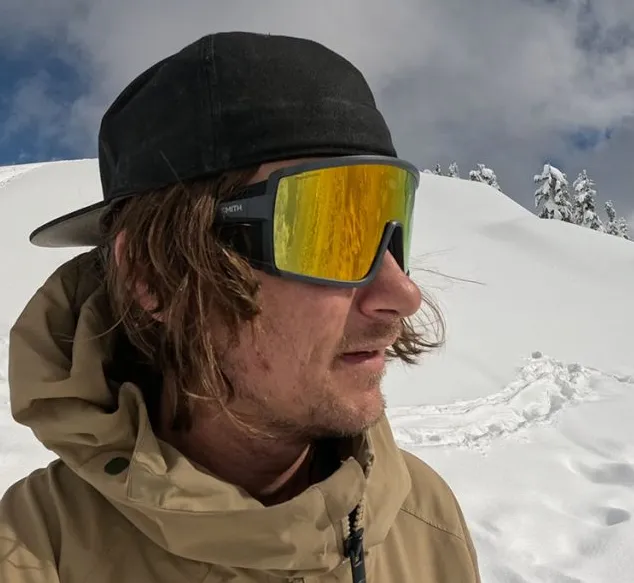
Effective glacier glasses cover the entire eye area, including the sides where reflected light often sneaks in. High, curved frames and removable side shields offer that extra protection. Some designs let you detach the shields, making the glasses more versatile for everyday use once you’re off the mountain.
3. Comfort and Fit
You’ll likely wear your glasses for hours at a time, so comfort is critical. They should fit snugly without creating pressure points or slipping when you move. A well-fitted pair will stay comfortable through long glacier crossings and windy summit pushes.
4. Lens Performance
Lens technology can make a major difference in visibility and comfort. For mountaineering, lenses rated category 3 or 4 provide the darkness needed to block intense sunlight without distorting your view. Beyond tint, consider two key features:
- Transition lenses: These adapt automatically to changing light conditions, brightening or darkening as clouds move in and out. They’re ideal for variable alpine weather.
- Polarized lenses: Perfect for bright, bluebird days, polarization reduces glare from snow and ice, easing eye strain and improving contrast at high elevations.
Other coatings—like anti-fog, mirror finishes, or anti-reflective layers—are useful bonuses but not strictly necessary if you’re choosing high-quality lenses.
When to Reach for Goggles
While glacier glasses are great for clear conditions, goggles become essential when the weather turns rough. Strong winds, blowing snow, or sleet can make glasses nearly useless, especially during early-morning alpine starts. Goggles shield your entire eye area from debris and drafts, providing reliable protection in low visibility or freezing windchill.
Choosing the Right Goggles
Frames:
Since goggles are secured with a strap, the frame’s shape matters less than its fit. Choose a pair that sits comfortably against your face without leaving gaps. If you wear prescription glasses, opt for OTG (Over-The-Glasses) models that allow extra space underneath without pressure.
Lenses:
Like glacier glasses, dark lenses are best for daytime climbing. For nighttime or pre-dawn starts, switch to completely clear lenses—avoid yellow or tinted versions, which can distort depth perception in low light. If possible, go for a model that lets you swap lenses quickly, adapting to different conditions as your climb progresses.
Final Thoughts
Protecting your eyes in alpine environments isn’t optional—it’s essential for safety and comfort. Glacier glasses provide the coverage and UV protection needed for bright, snowy conditions, while goggles are your go-to defense against wind, cold, and storms. Invest in high-quality eyewear, and you’ll not only see better but climb more confidently, no matter what the mountain throws your way.