

 By
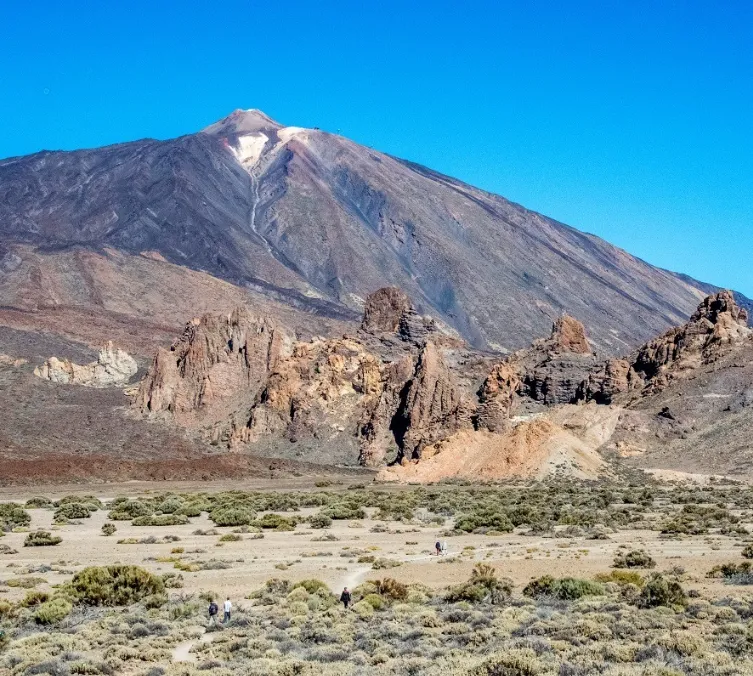
By If you love the challenge of climbing mountains, then Mount Teide should be on your list. Standing tall at 3,718 meters (about 12,200 feet), this volcanic giant dominates Tenerife’s skyline and holds the title of Spain’s highest peak. On a clear day, its summit offers an unforgettable view across the Canary Islands and the Atlantic Ocean—a reward well worth the effort.
When to Go
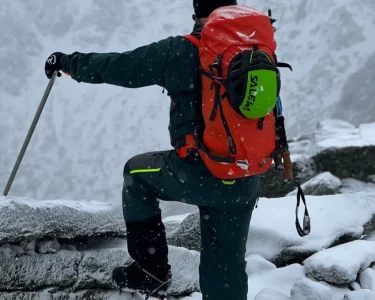
The best time to hike Mount Teide is between spring and autumn. Winter conditions can bring snow and ice to higher elevations, making the ascent more difficult. Start early in the morning to avoid the heat that builds throughout the day, especially on the lower slopes where shade is scarce.
Permits and Preparation
A special permit is required to access the final 163 meters (around 535 feet) to the true summit. These permits are limited and can sell out weeks in advance, so book early through official channels. Staying overnight at the Altavista del Teide Refuge provides an alternative, as guests there receive a small number of reserved summit permits.
Because the climate varies dramatically with elevation, bring multiple layers. It can be sunny and warm at the trailhead but windy and cold near the top. A light windbreaker, gloves, and a hat will make the climb much more comfortable.
Respecting the Environment
Mount Teide is part of Teide National Park, a UNESCO World Heritage Site known for its fragile volcanic ecosystem. Stick to marked trails and carry out everything you bring in. You might be lucky enough to spot the rare Teide violet, which blooms for just a few weeks each spring—another reason to tread carefully and protect this unique landscape.
The Montaña Blanca Route
Most hikers begin their ascent from the Montaña Blanca trailhead, located off the main park road. The parking area is small, so arrive early to secure a spot. The wide path starts gently before climbing steadily through a surreal landscape of volcanic rock. Scattered along the trail are massive spherical formations known as “Teide Eggs,” created when lava solidified while rolling downhill after ancient eruptions.
After about 4.5 kilometers (nearly three miles), the path turns into a series of steep switchbacks leading to the Altavista Refuge. This section offers striking views—turn around occasionally to see the contrast between the dark volcanic slopes and the bright blue ocean below. The air grows thinner as you climb, and the terrain begins to resemble a Martian desert with red and black hues stretching in every direction.
From the Refuge to the Summit
The refuge provides a good rest stop with basic facilities, including toilets and bunk beds for overnight guests. From here, the final stretch to the top typically takes one to two hours. As you approach the upper cable car station, the trail becomes steeper and crosses areas venting sulfur fumes—a reminder that Teide is still an active volcano.
The last 163 meters require the official permit, which rangers check at the gate. The final ascent winds past steaming vents and rough volcanic rock. Take your time; the altitude makes each step more demanding. At the summit, the panoramic views are extraordinary. On clear days, you can see as far as Gran Canaria and La Gomera, with the clouds often lying far below your feet.
Hiking or Staying Overnight
If you’re an experienced hiker, it’s possible to complete the Montaña Blanca route as a challenging day hike—about 12 miles round trip. Bring plenty of water, snacks, and a headlamp in case you finish after dark. For a more relaxed experience, spend the night at the Altavista Refuge and start early the next morning to watch the sunrise from the summit. The golden light spilling over the clouds is a moment few ever forget.
Taking the Cable Car
Those short on time can still experience Mount Teide’s grandeur by riding the Teleférico del Teide cable car. It runs from the base station at 2,356 meters to the upper station at 3,555 meters, leaving just the final 163 meters to hike (permit required). The ride saves several hours of climbing and offers incredible aerial views of the volcanic terrain. Be prepared for queues during busy times, especially in summer.
Final Thoughts
Climbing Mount Teide is more than just a hike—it’s a journey through the raw forces that shaped the Canary Islands. From alien-like landscapes and rare alpine flowers to the dizzying summit views above the clouds, the experience captures the wild beauty of Tenerife. Whether you reach the peak on foot or by cable car, standing atop Spain’s highest mountain is an adventure that stays with you long after you descend.