

 By
By When I first moved to Seattle and took up skiing in my mid-twenties, I had no idea what to wear on the slopes. Coming from summers of hiking in tank tops and shorts, figuring out how to stay warm and dry in the Pacific Northwest’s wet, heavy snow was a whole new challenge. After several seasons of trial and error, I’ve learned that layering is everything when it comes to skiing comfortably in variable conditions.
Here’s a breakdown of how to dress for a successful day on the mountain.
Understanding the Climate
The Pacific Northwest has a maritime climate, meaning temperatures often hover near freezing, and the snow tends to be dense and damp. Unlike the light, powdery snow in places like Colorado or Utah, this heavy snow demands waterproof, moisture-resistant layers. While soft shells may work well in dry, cold climates, a durable hard shell is essential here to stay dry.
Base Layers: The Foundation
The base layer is your first defense against the cold—it wicks moisture away from your skin and keeps you dry. A high-quality synthetic or merino wool base layer works best. Wool is naturally odor-resistant and regulates temperature well, while synthetic materials dry quickly and prevent chafing. Choose a snug fit that moves with your body.
For your legs, mid-weight wool or fleece-lined leggings work well, especially if your outer layer isn’t insulated. On colder days, thicker base layers make a huge difference without adding too much bulk.
Mid Layers: Warmth Without Bulk
The mid layer traps heat between your base and outer layers. Fleece pullovers and lightweight insulated jackets are great options. A breathable fleece, such as the popular technical mid-layers from outdoor brands, keeps you warm while allowing moisture to escape.
If it’s especially cold, a thin synthetic down or insulated jacket adds warmth without restricting movement. On milder days, a fleece vest can keep your core warm while giving your arms more flexibility.
Outer Layers: Your Weather Shield
Your outer shell protects you from snow, rain, and wind. In the Pacific Northwest, waterproof hard shell jackets and pants are essential. Look for Gore-Tex or similar waterproof-breathable materials with good ventilation features like underarm zippers to prevent overheating.
If you’re skiing in drier or colder regions, soft shell jackets can be a comfortable and flexible alternative. However, in wetter conditions, hard shells provide much better protection. For pants, waterproof bibs are ideal—they prevent snow from getting in when you fall and offer extra coverage on stormy days.
Accessories: Head to Toe Warmth
Helmet and Goggles: A well-fitting helmet keeps your head warm and safe. Choose one with vents you can adjust as temperatures change. Pair it with quality goggles that offer interchangeable lenses for bright or low-light conditions.
Gloves or Mittens: Mittens tend to keep hands warmer than gloves because your fingers share heat. Look for waterproof, insulated options with removable liners.
Neck Gaiter: Instead of relying on a hood, use a neck gaiter or buff. It protects your face from wind and can be pulled up easily when the lift ride gets chilly.
Socks: Opt for knee-high wool or synthetic ski socks designed for warmth and moisture management. Avoid doubling up—too much thickness can cut off circulation and make your feet colder.
Choosing the Right Underwear
Stick to synthetic or merino fabrics for underwear and sports bras. Cotton holds moisture, which can make you cold. A supportive sports bra with quick-dry material is ideal, and seamless designs prevent chafing under tight ski layers.
Après-Ski Comfort
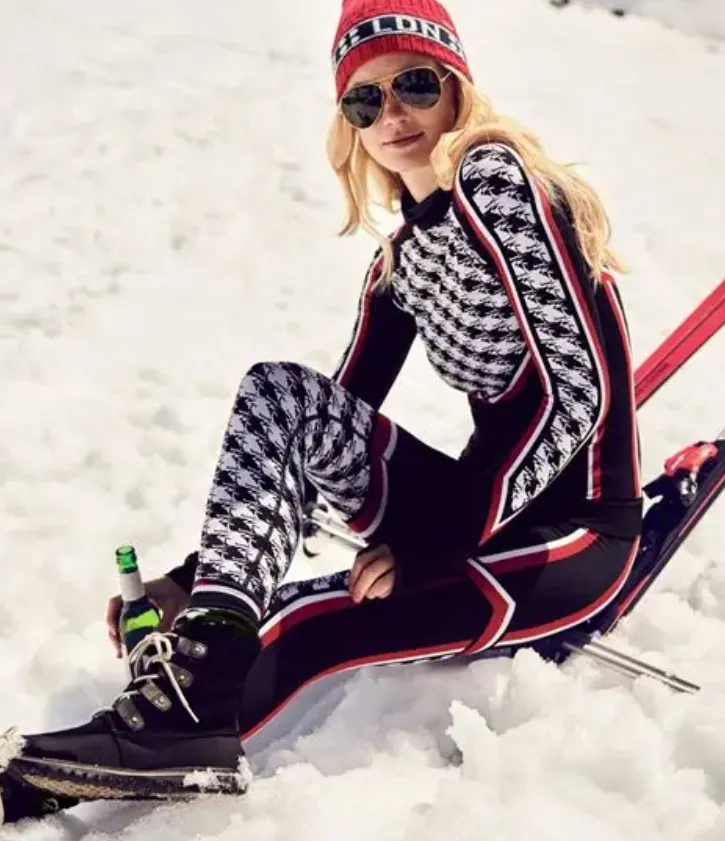
After a day on the mountain, you’ll want to stay cozy without changing your entire outfit. Choose base layers that double as casual wear—add a skirt or long sweater over your leggings and swap your ski boots for insulated snow boots. A beanie and scarf complete the look for relaxing in the lodge or grabbing dinner in town.
Final Thoughts
Ski layering takes some experimenting, especially in climates like Seattle’s where snow conditions can vary drastically. The key is to stay dry, manage your body temperature, and maintain flexibility. Invest in high-quality layers that can be mixed and matched for different weather conditions. Once you find your perfect system, you’ll spend less time shivering and more time carving turns with confidence.