

 By
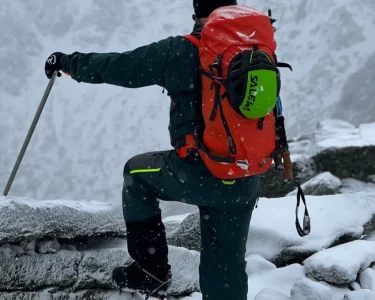
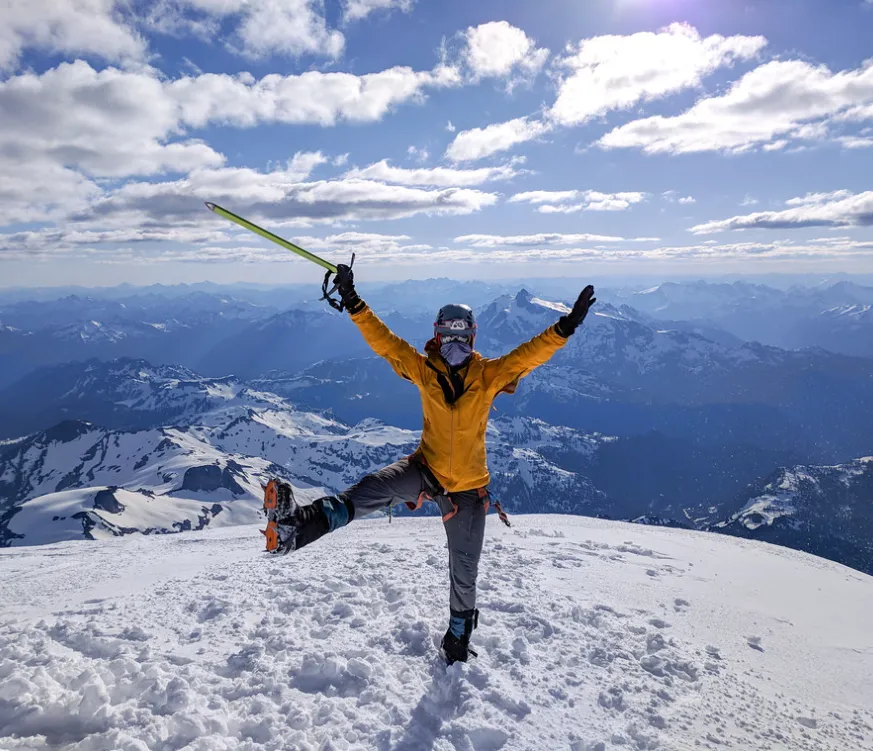
By Dialing in a mountaineering kit takes time, especially when you’re out for long, chilly days with big elevation changes and plenty of sun, wind, and snow glare. The good news: most pieces can pull double duty for hiking, ski touring, and general mountain days. The key is a simple, flexible system that manages weather, movement, and moisture so you can focus on the climb.
Big Picture: How to Think About Layers
- Stay efficient. Fast transitions and short breaks matter. Keep frequently used layers near the top of your pack.
- Manage temperature, manage moisture. Move just cool enough to avoid soaking your base layers; add warmth the moment you stop.
- Protect from exposure. Snow reflects sunlight—cover skin with breathable, UPF-rated pieces and carry solid wind/rain protection.
- Choose durability. Outer layers should tolerate rock, tools, and abrasion. Heavier fabrics often last longer and still breathe well.
- Prioritize mobility. Test range of motion: high steps, wide reaches, deep squats. Pants should stretch; tops shouldn’t ride up under a pack or harness.
Parking-Lot “Golden Rules”
- No cotton.
- Dress for the actual forecast, then pack for worse.
- Start a little cold—you’ll warm up quickly.
- Keep snacks, sunscreen, lip balm, a beanie, light gloves, and a wind layer accessible.
Base Layers (Next-to-Skin)
Goal: wick sweat, trap a touch of warmth, and feel comfortable all day.
- Tops: A light, close-fitting long sleeve over a tee or sports bra works for most seasons. Favor breathable wool or high-quality synthetics. Higher necklines or a neck gaiter help prevent sunburn at the collarbone.
- Bottoms: One pair for moving, one clean pair for sleeping on multi-day trips. Pair with soft-shell pants for most conditions.
- Fit notes: Snug, not tight; smooth under additional layers; no bunching at elbows or knees.
Pants and Bottoms
Goal: weather resistance, breathability, and freedom to move.
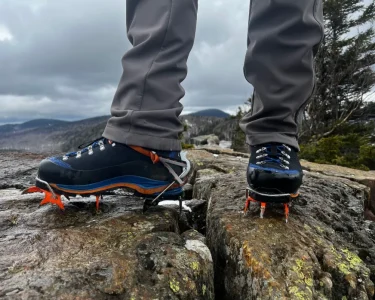
- Soft-shell pants are the workhorse: wind-resistant, shed light snow, and stretch for high steps. Reinforced cuffs help around crampons.
- Leggings/shorts can work on dry, warm approaches, but most alpine days are better served by a true soft shell.
- Gaiters (if needed) keep snow and slush out of boots. Fit them carefully to avoid gaps before adding crampons.
Midlayer (Active Warmth)
Goal: on-the-move insulation you can throw on/off quickly.
- A light fleece or low-loft synthetic jacket lives at the top of the pack. Bonus points for a hood and easy-to-grab zipper pulls you can use with gloves.
- Keep it handy for windy ridgelines, shady breaks, and glacial gusts.
Belay/Stop Layer (Big Puffy)
Goal: instant heat when you stall, belay, or hit camp.
- Choose a lofted down or synthetic parka with a hood. Synthetic tolerates moisture better; down is lighter and packs smaller—keep it dry.
- Size it to fit over everything else. It should feel like throwing on a warm blanket—fast.
Shells (Weather Protection)
Goal: block wind and precipitation without trapping sweat.
- Hard shell jacket: waterproof/breathable with pit zips and helmet-compatible hood. Pockets you can access with a harness are a plus.
- Shell pants: side zips you can vent and pull on over boots. Save for heavy rain, wet snow, or long, cold glissades.
- Wind shirt/light soft-shell hoodie (optional): perfect for bluebird but breezy days when a full rain shell is overkill.
Socks and Foot Care
Goal: warm, dry feet that don’t blister.
- Pack two pairs of wool or wool-blend socks—one for movement, one to sleep/dry in. Liner socks can help if you blister easily.
- Keep a spare pair accessible; swapping at breaks can reset comfort on big days.
Gloves: Build a Small System
Goal: dexterity while moving, warmth when stopped, dryness always.
- Liners: thin, grippy, and expendable—great for handling metal gear without freezing fingers.
- Insulated gloves or mitts: waterproof/breathable for cold or wet conditions; pair with overmitts in storms. Wrist leashes are worth it.
Headwear and Sun Protection
Goal: conserve heat, cut wind, and shield from intense alpine sun.
- Warm hat or ear band that fits under a helmet.
- Sun hat or lightweight cap (works under a helmet) for long glacier slogs.
- Neck gaiter/balaclava for wind, sun, and spindrift. Tiny item, huge comfort.
- Glacier glasses/clear lenses live with your layers (snow glare early, wind and headlamp later).
Sports Bras and Underwear
Goal: comfort, quick dry, zero chafe.
- Bras: wool blends or technical synthetics; one for moving, one for sleeping on multi-day trips.
- Underwear: breathable, quick-dry, darker colors if you’ll lounge in base bottoms at camp.
Packing Tips for Faster Days
- Stage layers in grab order: wind layer and midlayer on top; puffy in its own sack; shell where you can reach it one-handed.
- Practice two-minute transitions: add warmth the moment you stop; strip a layer just before you start moving again.
- Keep sunblock, lip balm, and snacks in pockets so you don’t dig through your pack.
Final Thoughts
A great alpine clothing system is simple, repeatable, and adjustable on the fly. Start with breathable base layers, add a dependable active mid, carry a real puffy for stops, and protect it all with weatherproof shells. Choose durable fabrics that stretch where you need them, and refine piece by piece as you learn what your body needs in wind, sun, and snow. Get the layers right, and your attention can stay where it belongs—on smart movement, good partners, and a safe, satisfying climb.