What to Pack for an Overnight Mountaineering Trip

What to Pack for an Overnight Mountaineering Trip

Spending a night in the mountains brings an entirely new level of adventure and challenge to your outdoor experience. Whether you’re camping on snow or setting up base near a glacier, the right gear makes all the difference. While much of your setup is similar to a traditional backpacking trip, mountaineering requires a few specialized items—particularly for warmth, shelter, and water preparation. This guide breaks down the essential gear for an overnight mountaineering trip and offers practical tips for staying warm, dry, and comfortable in alpine conditions.
Sleeping Gear

Sleeping Bag
A warm, dry sleeping bag is essential for a good night’s rest in the mountains. If your budget allows, invest in a lightweight, compressible bag that can handle cold temperatures. Down sleeping bags are lighter and pack smaller, but they must stay dry to maintain warmth. Synthetic bags are slightly heavier but perform better in damp environments and are generally more affordable.

When choosing a sleeping bag, consider your personal comfort level. If you tend to sleep cold, look for a bag rated at least 10–15°F lower than the expected nighttime temperature. For spring and early summer climbs in the Cascades, a 15°F bag is usually sufficient. Make sure your bag fits comfortably when fully zipped and has enough room to tuck in damp gear to dry overnight.

Sleeping Pad
Sleeping directly on snow can sap body heat, so a quality sleeping pad with a high R-value is crucial. Inflatable pads such as the Therm-a-Rest NeoAir XTherm offer excellent insulation with minimal bulk. For added warmth, combine your inflatable pad with a foam pad underneath to create an extra barrier from the cold ground. If you’re on a budget, even a basic closed-cell foam pad can make a big difference.

Shelter

Tent
A sturdy, three-season tent with good wind resistance is a must for mountaineering. Choose one that’s spacious enough to store your gear and durable enough to handle snow and gusty conditions. If you’re camping on snow, standard tent stakes won’t work—you’ll need snow anchors, flukes, or buried stuff sacks filled with snow.

Lightweight pyramid-style shelters are a great option for snow camping, as they’re easy to pitch and provide solid protection from wind. However, if you plan to camp at lower elevations where insects are an issue, a tent with mesh walls is a better choice.

When camping with a partner, a three-person tent provides more comfort and space without adding much extra weight.

Snow Shovel
A compact, extendable snow shovel is invaluable for digging a flat tent platform and building wind walls around your camp. It can also be used for emergency shelters or to retrieve buried gear.

Food and Cooking Gear

Stove
When camping in snow, a stove is essential for melting water and preparing hot meals. Canister stoves are lightweight and efficient for boiling water quickly, while white gas stoves work better in extreme cold or when cooking larger meals. A good rule of thumb is one stove per tent group.

Pack enough fuel based on how much water you’ll need to melt or boil. If you’re unsure, plan for about 1.5 standard fuel canisters per person for a 3–4 day climb. Always bring a backup ignition source like waterproof matches or a lighter.

Cookware and Utensils
Bring a lightweight pot or cooking system compatible with your stove. Many mountaineers prefer a simple setup like the MSR Reactor or Jetboil for boiling water efficiently. A durable spork and a small insulated cup (such as a 0.5L Nalgene bottle) can double as a mug for tea or coffee.

To minimize cleanup, consider dehydrated meals that only require hot water—less mess and no washing dishes in freezing conditions.

Food
Plan meals that are easy to prepare and high in calories. You’ll burn a lot of energy in the cold, so aim for 2,500–4,500 calories per day depending on your size and activity level. Pack foods with a high calorie-to-weight ratio such as:

  • Tortillas or bagels with peanut butter or cheese
  • Dehydrated dinners
  • Nuts, trail mix, and energy bars
  • Instant oatmeal packets for breakfast
  • Dried or fresh fruit for quick snacks

Keep some snacks accessible during the day to eat while on the move. Always bring an extra meal in case of delays or emergencies.

Water

Carry at least three liters of water at all times. In alpine environments, water sources may be frozen or scarce, so you’ll likely need to melt snow. Wide-mouth bottles are best for pouring hot water, and insulated covers can help prevent freezing. If the terrain allows, bringing a lightweight filter gives you flexibility when running water is available.

Be cautious with hydration systems that use hoses—these often freeze in cold conditions. Stick to bottles for reliability.

Optional but Useful Extras

  • Sit pad: Provides insulation when sitting on snow and doubles as a small mat for your pack.
  • Ground cloth: Protects your tent floor and keeps gear dry.
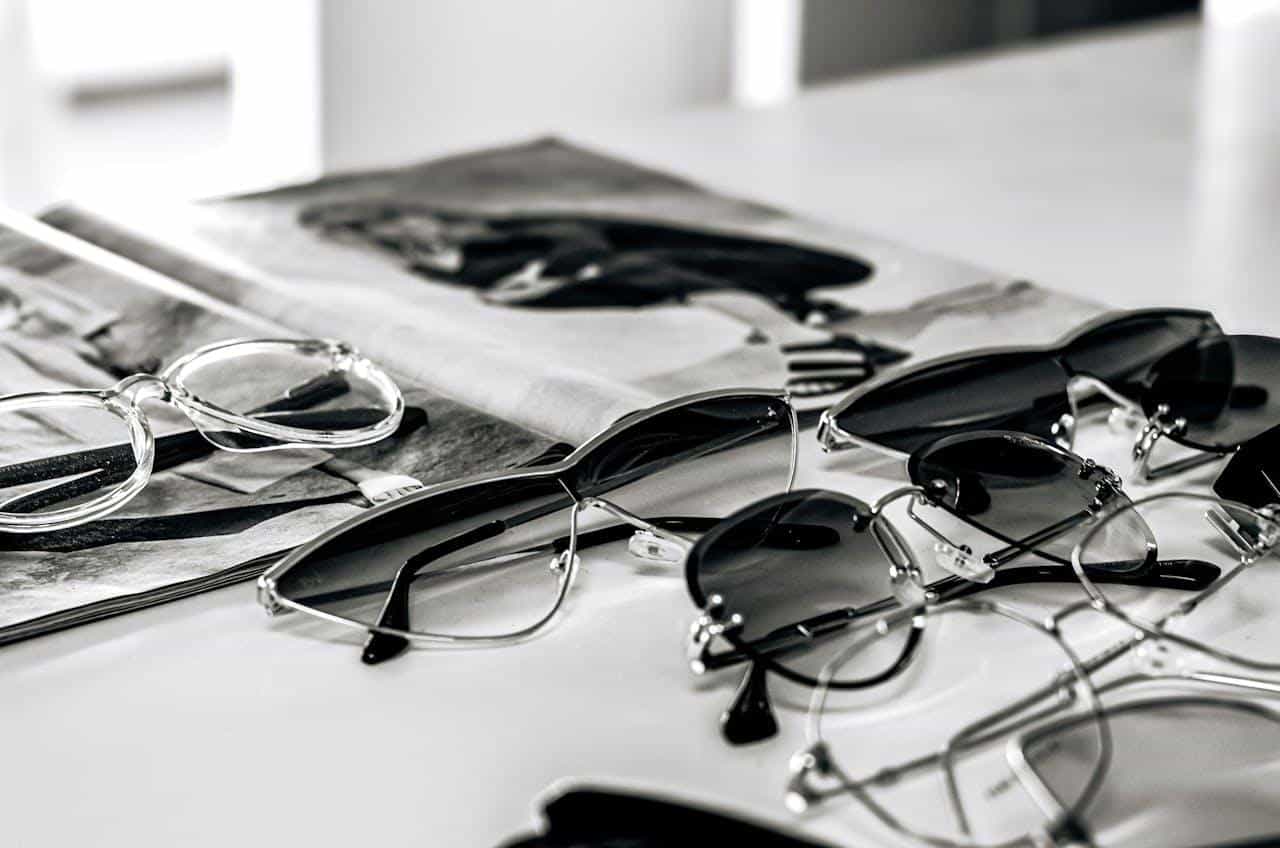
  • Goggles or clear glasses: Shield your eyes from blowing snow or strong wind before sunrise.
  • Trash bags: Serve as pack liners, emergency bivy sacks, or wet gear storage.
  • Down booties: Add comfort and warmth for relaxing at camp.

Other Essential Gear

Your mountaineering kit should always include:

  • Headlamp with extra batteries
  • First aid kit
  • Map and compass
  • Multi-tool or knife
  • Sunscreen and lip balm
  • Duct tape for repairs
  • Blue bags for waste disposal
  • Hand and foot warmers
  • Personal toiletries and sanitizer

Final Thoughts

Mountaineering demands careful planning and reliable gear to stay safe and comfortable in unpredictable alpine conditions. When packing for an overnight trip, prioritize warmth, weight efficiency, and simplicity. Choose gear that serves multiple purposes and test your setup before heading out. With the right preparation, you’ll be ready to enjoy the unique experience of sleeping under the stars high in the mountains.

administrator

Related Articles

Leave a Reply

Your email address will not be published. Required fields are marked *