

 By
By Core strength is a vital aspect of overall fitness, and for women, it’s a key factor in improving posture, preventing injuries, and enhancing physical performance. Two of the most popular approaches to building core strength are Pilates and traditional abdominal workouts. While both methods can help tone and strengthen the core, they differ in their approaches and benefits. So, which one is better for women looking to improve their core? Let’s break it down.
What’s Involved in Women’s Core Strength?
Before diving into the specifics of Pilates and traditional ab workouts, it’s important to understand the unique aspects of women’s core strength. The female core isn’t just about achieving a six-pack; it involves a complex group of muscles, including the rectus abdominis (the six-pack muscles), obliques (side abdominals), transverse abdominis (deep core muscles), and the pelvic floor. These muscles work together to stabilize the body, assist with posture, and provide power during movement.
Given the physiological differences in women’s bodies — such as hormonal fluctuations, wider pelvises, and varying muscle compositions — the approach to strengthening these muscles can vary. Stages like pregnancy and menopause also impact core strength, further emphasizing the need for adaptable and targeted training methods.
Pilates: A Holistic Approach to Core Strength
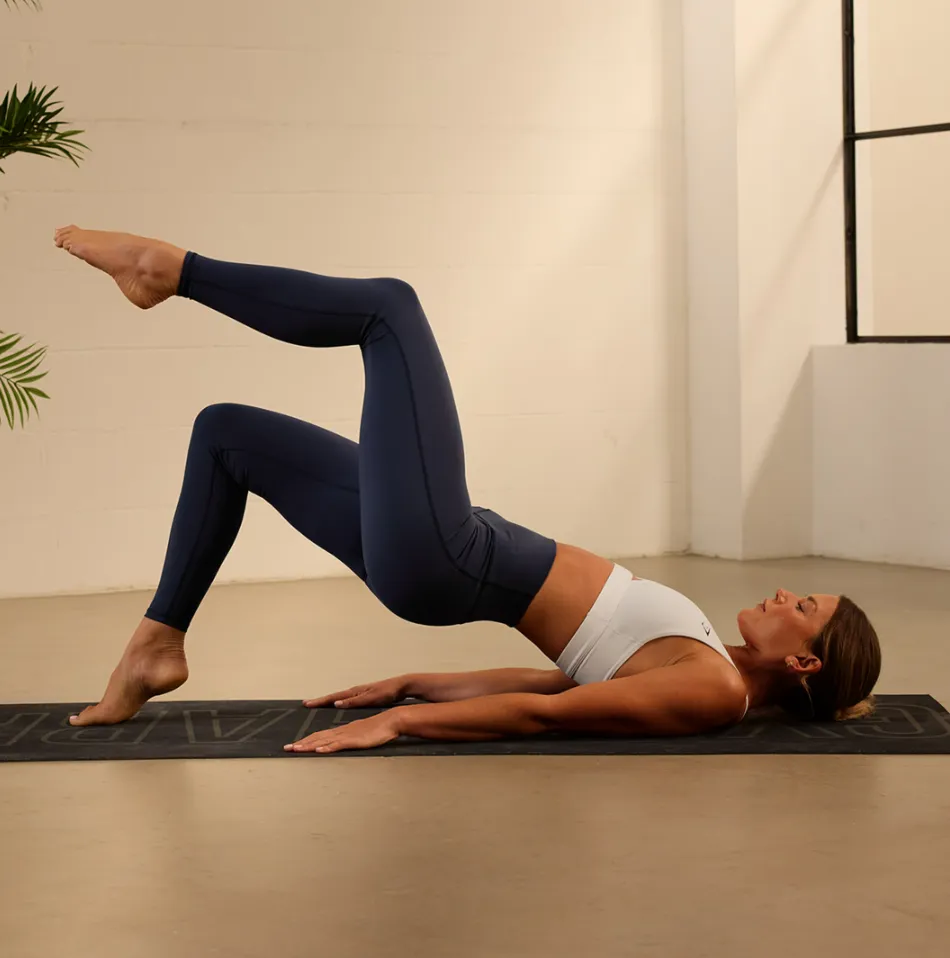
Pilates, developed by Joseph Pilates in the early 20th century, emphasizes controlled, precise movements combined with deep breathing. This mind-body connection is designed to activate the entire core, including the deep stabilizing muscles often neglected by traditional ab exercises. Pilates encourages focus and control, helping practitioners build strength, flexibility, and balance while improving body awareness.
There are two primary forms of Pilates exercises for core strength: mat-based and reformer-based. Mat Pilates involves floor exercises using body weight and small props, making it accessible for those at home or on the go. Reformer Pilates, on the other hand, uses a special machine that adds resistance to movements, offering a greater challenge and a wider range of exercises. Both options allow for progressive difficulty, making Pilates suitable for beginners as well as advanced practitioners.
Traditional Ab Workouts: Targeting the Core
Traditional abdominal exercises focus on specific muscle groups in the core. Common exercises include:
- Crunches: These focus on the rectus abdominis, the visible “six-pack” muscles.
- Planks: These engage the entire core, particularly the transverse abdominis, which is key for stability.
- Russian Twists: These target the obliques and help improve rotational strength.
- Leg Raises: These primarily work the lower abs and hip flexors.
Traditional ab workouts are often integrated into general fitness routines, and they’re typically quick and easy to do without specialized equipment. Many modern variations, like high-intensity interval training (HIIT), incorporate core exercises to improve both strength and endurance.
Pilates vs. Traditional Ab Workouts: A Comparative Analysis
Both Pilates and traditional ab exercises have their strengths, but they work differently, offering unique benefits.
Effectiveness and Results
Research shows that Pilates can increase core strength significantly over time. A study in the Journal of Sports Science and Medicine found that after 12 weeks of Pilates, participants showed a 21% increase in core strength, while those doing traditional ab workouts saw a 15% improvement. Traditional ab exercises may show quicker visible results in terms of muscle definition, while Pilates tends to improve strength and posture more gradually.
Safety and Injury Prevention
Both methods can be performed safely with proper technique. Pilates has a lower risk of injury due to its focus on alignment and controlled movements. In fact, studies have found that Pilates can reduce lower back pain by up to 28% compared to traditional strength training methods. On the other hand, if performed incorrectly, traditional ab exercises, especially those that involve high intensity or improper form, can strain the neck and lower back.
Time and Cost Considerations
Pilates sessions typically last 45-60 minutes, offering a full-body workout that includes core strengthening. While mat Pilates can be done at home with minimal equipment, reformer Pilates requires specialized equipment and often comes with higher costs. Traditional ab exercises, however, require little to no equipment and can be completed in a shorter amount of time — usually between 15-30 minutes — making them more time-efficient and budget-friendly.
Learning Curve and Accessibility
Traditional ab workouts are easier to learn and can be done without much instruction. Most people can perform basic exercises like crunches and planks without the need for a trainer. Pilates, however, involves more intricate movements and a deeper understanding of breathing and body mechanics. Although it may have a steeper learning curve, Pilates offers a progressive approach that can continuously challenge and engage the body.
Which One is Right for You?
Choosing between Pilates and traditional ab workouts depends on your goals, fitness level, and lifestyle preferences.
- If you’re looking for overall body toning and flexibility, Pilates may be a better fit. It provides a well-rounded approach that improves strength, balance, and body awareness.
- If you want to focus on targeted core strength and muscle definition, traditional ab workouts may be more effective for quick results.
- For those recovering from injury or dealing with back issues, Pilates offers a gentler, controlled approach that emphasizes proper alignment and stability.
Combining Pilates and Ab Workouts for Best Results
Many women find that incorporating both Pilates and traditional ab exercises into their routine yields the best results. By combining the precision and core engagement of Pilates with the targeted muscle work of traditional ab exercises, you can build a stronger, more balanced core.
Final Thoughts
Both Pilates and traditional ab workouts offer unique benefits for strengthening the core. Pilates provides a holistic, mind-body approach that improves overall body conditioning, flexibility, and awareness. Traditional ab exercises offer targeted, time-efficient ways to build muscle and achieve visible results.
Ultimately, the best approach depends on your individual goals, fitness preferences, and lifestyle. Whether you prefer Pilates, traditional ab exercises, or a combination of both, the key is to stay consistent and listen to your body as you work towards a stronger core.