

 By
By When it comes to avalanches, survival begins long before the snow starts moving. By understanding the factors that cause avalanches and recognizing potential danger zones, you can significantly reduce your chances of getting caught in one. However, in the event that an avalanche does occur, knowing what to do can be the difference between life and death. In this guide, we’ll discuss both preventive measures and survival strategies to help you stay safe in avalanche-prone areas.
Understanding What Causes Avalanches
To avoid avalanches, it’s crucial to understand their causes and identify high-risk areas.
The Snowpack’s Role in Avalanches
Avalanches are most likely to occur when snow layers are unstable. A common culprit is hoar snow, which is dry, granular snow that doesn’t compact well. This type of snow is similar to sugar—it crumbles easily when you try to pack it. When layers of heavy snow accumulate on top of this unstable base, it can create the perfect conditions for a slab avalanche. These avalanches are triggered when a cohesive snow slab breaks free and rushes downhill. Backcountry adventurers, such as skiers, snowmobilers, and hikers, are particularly vulnerable to slab avalanches.
Key Factors to Watch for in Avalanche-Prone Areas
Several conditions contribute to avalanche risks. Being able to recognize these signs can help you avoid danger:
Slope Angle
Avalanches are most common on slopes with an angle between 30 and 45 degrees. You can use tools like an inclinometer or smartphone apps to measure the slope’s angle and assess whether it poses a risk.
Slope Aspect
The direction a slope faces relative to the sun affects snow stability.
- South-facing slopes receive more sunlight, making the snow more stable by causing it to melt and refreeze.
- North-facing slopes, on the other hand, are often covered in unstable powdery snow, which can lead to avalanches, especially as temperatures rise.
Wind
Strong winds can transport snow across slopes, creating dangerous wind slabs or uneven layers. These layers are prone to sliding.
Snowpack Layers
Each storm brings different types of snow, and wind can further destabilize the layers, increasing the risk of avalanches.
The Human Factor: How Behavior Can Impact Avalanche Risk
Human activity is often the final trigger for avalanches. Vibrations from snowmobiles, skiers, and hikers can destabilize an already fragile snowpack. Even the slightest disturbance can lead to disaster.
Poor Decision-Making
Many avalanche accidents are caused by poor decisions, often driven by ego, group dynamics, or the desire to keep up with others. If you’re in a group, don’t let peer pressure cause you to ignore warning signs or take unnecessary risks.
Overconfidence
Experienced adventurers may be more prone to avalanches than beginners due to overconfidence. Previous successes and familiarity with the terrain can lead to risky behavior. Always assess the current conditions, no matter how experienced you are.
Summit Fever
Never let your desire to reach a summit or complete a journey cloud your judgment. If the conditions aren’t right, it’s better to turn back than risk your safety.
Safety Tips for Traveling in Avalanche Terrain
To reduce your risk of being caught in an avalanche, keep the following precautions in mind:
- Always check the current conditions: Just because a slope was safe yesterday doesn’t mean it’s safe today.
- Don’t rely on others: Always carry your own gear and make independent risk assessments.
- Trust your instincts: If something feels off, speak up and avoid risky situations.
What to Do if You Get Caught in an Avalanche
Even with precautions, accidents can happen. If you are caught in an avalanche, staying calm and following these survival strategies can greatly improve your chances of survival:
Carry an Avalanche Beacon
An avalanche beacon sends out signals to rescuers, allowing them to find you quickly. Since most victims are buried under several feet of snow, time is critical—survival rates drop significantly after 15 to 30 minutes of burial.
Create an Air Pocket
Asphyxiation is the leading cause of death in avalanches. Use your hands or arms to create an air pocket around your face. Take a deep breath before the snow settles to give yourself more room to breathe. Stay calm and try to control your breathing to conserve oxygen.
Move Sideways
Avalanches move with the most force at their center. If you’re caught in one, try to move sideways toward the edges. Though you can’t outrun an avalanche, shifting to the side can reduce the amount of snow that engulfs you.
Swim to Stay on Top
If you’re swept away by the avalanche, kick and move your arms as if you’re swimming. This will help you stay closer to the surface and avoid being buried under deep snow. Swim toward the edge of the avalanche if possible.
Keep One Arm Up
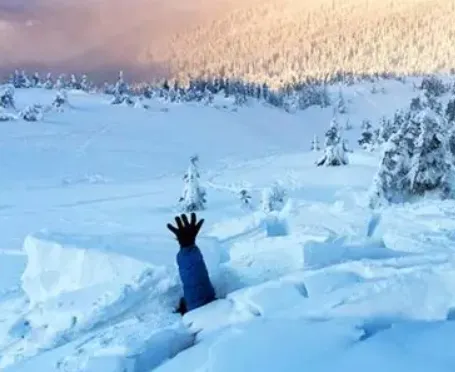
While trying to protect your face, extend one arm upward toward the surface. This increases your chances of being spotted by rescuers.
Grab Something Solid
If you can, try to grab onto a tree or rock. This can help anchor you in place, especially if the avalanche isn’t too large. Small avalanches may leave obstacles like trees standing, so take advantage of these if you can.
Let Go of Heavy Gear
If you’re carrying any heavy equipment, ditch it. However, if your backpack offers protection for your back and neck, it’s better to leave it on. Your hands need to be free for swimming and creating air pockets.
Stay Calm
Panic wastes valuable oxygen and energy. Focus on staying calm, breathing slowly, and thinking through your next steps. Shouting should only be done if you hear rescuers nearby.
Determine Which Way is Up
If you’re disoriented, use gravity to guide you to the surface. Spitting or drooling will help you see which direction gravity pulls the liquid, helping you locate the surface.
Final Thoughts
Avalanches are powerful forces of nature, but understanding the conditions that lead to them, making careful decisions, and knowing how to react can save your life. Always carry the right equipment, assess the risks carefully, and trust your instincts. While prevention is the best strategy, these survival tips can help you stay calm, act decisively, and improve your chances of being rescued in the event of an avalanche.