


 By
By Colorado has a funny way of blurring the line between winter and spring. One moment you’re basking in the sun at 60 degrees, and the next, snow is falling and the temperature plunges into the single digits. For anyone spending time outdoors this time of year, that unpredictability can be dangerous. Late winter and early spring in the Rockies demand one thing above all else—preparation. The weather can shift fast, and if you’re not ready, you could find yourself battling frostbite, cold stress, or worse.
Here’s how to stay warm, dry, and safe when the seasons decide to swap places.
Keep Warm Without Overheating
It’s easy to forget that sweating in cold weather can be just as dangerous as being underdressed. When you start sweating, moisture cools your body rapidly, increasing the risk of hypothermia. The key is to regulate your temperature by adjusting your layers before you overheat.
If your activity is intense—like shoveling snow or building a shelter—slow down or take short breaks. When you stop moving, add layers immediately to trap body heat. As one old saying goes, “Wet is cold, and cold is dead.” It’s blunt but true.
When resting, always find shelter from the wind. Even a small barrier—a snow wall, a vehicle, or a dense cluster of trees—can make a big difference in reducing heat loss.
Stay Dry—It’s Nonnegotiable
Snow on clothing may look harmless, but once it melts, it becomes your worst enemy. Always brush or shake snow off your clothes instead of patting it. Patting pushes moisture deeper into the fabric, destroying the insulation that keeps you warm. And never do this inside your shelter—you’ll just add unwanted humidity to your living space.
Dry gear equals survival. Keep an eye on your sleeves, cuffs, and collar—small damp areas can quickly lead to a chill that spreads through your whole body.
Protect Your Face from Frostnip
Facial frostbite often sneaks up on people, especially when wind and cold combine. To prevent frostnip, keep your face moving. Inuit people developed facial exercises that help maintain blood flow in freezing temperatures. Try these moves regularly:
- Make an exaggerated “O” shape with your mouth.
- Stretch into a wide grin, then scrunch your face as if you just bit a lemon.
- Puff your cheeks like a pufferfish, then relax.
- Wiggle your nose, brows, and cheeks to keep circulation going.
Keep an eye on your companions too—if you notice white patches on someone’s nose or cheeks, warn them immediately. Alone? Use the mirror on your compass to check your face. Early action can stop frostnip before it turns into frostbite.
Guard Your Eyes from Snow Blindness
The winter sun may feel gentle, but when it bounces off snow, it can burn your eyes and skin in minutes. Always wear sunglasses or goggles with UV protection, and apply sunscreen to your nose, ears, neck, and lips. Sun glare is deceptive at high altitudes, and snow blindness can leave you effectively blind for hours—something no one wants to experience in the wilderness. Use sunlight smartly for warmth, but protect yourself from its intensity.
Avoid Burns Around the Fire
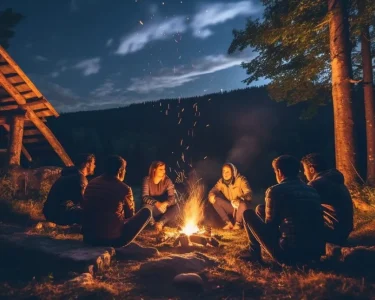
When it’s freezing, everyone crowds the fire. That’s when most burns happen. Bulky winter gear limits mobility, and it’s easy to stumble too close to flames or spill hot water. Give the fire some space and take your time handling pots or kettles.
If you spend a lot of time outdoors, it’s worth taking a wilderness first aid course. Knowing how to handle burns, frostbite, or shock could save someone’s life—including your own.
Take Care of Your Feet
Cold, wet feet can end your trip faster than anything else. Trench foot is still a real risk in wet winter conditions, but it’s completely preventable.
First, never wear cotton socks—ever. Cotton traps moisture and sucks heat from your feet. Choose wool or synthetic materials that wick moisture and dry quickly.
Keep at least one spare pair of socks sealed in a plastic bag inside your coat or pack. If your feet get soaked, wring out your socks, dry them near the fire, and switch into your backup pair. And here’s a small but effective trick: move your toes often to keep blood circulating.
When choosing boots, make sure they’re not too tight. Tight boots restrict blood flow, increasing the risk of frostbite. They also reduce insulation by compressing warm air pockets around your feet. Loosen your laces slightly and consider wearing gaiters to keep snow from sneaking in. Proper fit means warmer, safer feet.
Cover Every Bit of Skin
Even a few square inches of exposed skin can freeze in bitter wind. Cover up completely, and be careful with metal gear—watch bands, jewelry, or compasses can stick to skin and cause serious injuries in subzero conditions.
If you start feeling numbness or a burning sensation, act fast. Warm the area gently using your own body heat. Cup your hands over your face or tuck your fingers under your armpits. For toes, find a friend—placing your foot against their skin inside their clothing can safely warm it. Avoid rubbing frostbitten skin; friction causes more damage.
The Best Defense Is Preparation
Every winter trip, even a short one, deserves respect. Weather can shift in minutes, and cold injuries can happen anywhere—from a mountain trail to your local park. The best way to stay safe is to anticipate problems before they start: dress in layers, stay dry, move smartly, and keep an eye on each other.
Winter in Colorado may not always look like winter, but the cold will find you if you’re not ready. So pack wisely, plan ahead, and remember—no adventure is ever truly “small.”
Stay alert, stay dry, and enjoy the season safely.