

 By
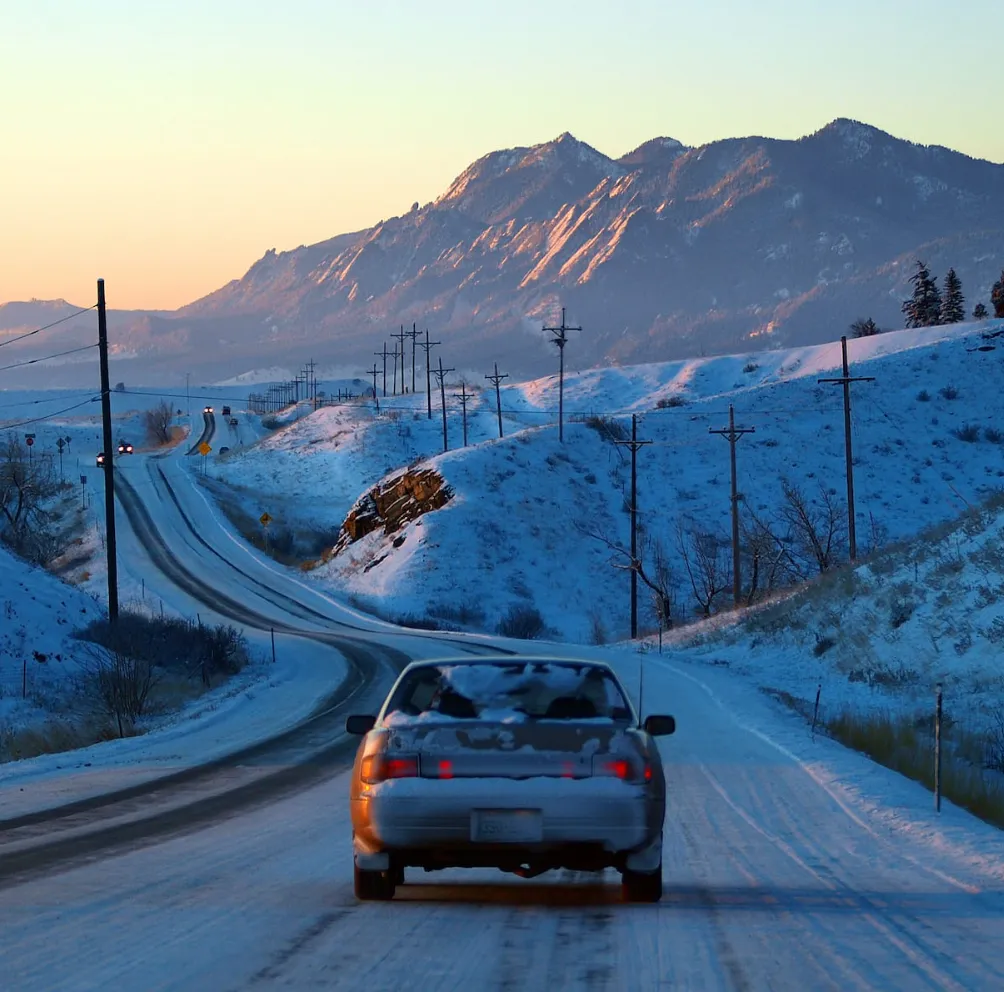
By Colorado’s breathtaking mountains and sweeping valleys make it one of the most scenic places to drive—but when winter hits, that same landscape can turn treacherous. Snow, ice, and unpredictable weather mean drivers need to take extra care. Here’s a practical guide to staying safe while navigating Colorado’s roads during the colder months.
Get Your Vehicle Winter-Ready
Before the first snowflake falls, make sure your vehicle can handle the season. A few simple checks can make a big difference:
- Battery and Electrical System: Cold weather can drain your battery quickly. Test its charge and clean off any corrosion around the terminals.
- Engine Oil: Use winter-grade or all-season oil to keep your engine running smoothly in low temperatures.
- Lights and Signals: Confirm that all exterior lights—headlights, brake lights, and turn signals—are working properly for maximum visibility.
- Tires: Inspect the tread depth and pressure. Consider switching to snow tires or carrying chains, especially if you’ll be traveling through mountain passes.
- Emergency Supplies: Keep essentials in your car, such as blankets, food, water, a flashlight, and a first-aid kit, in case you get stranded.
- Fuel: Don’t let your tank drop too low. Long stretches of highway in Colorado often have few gas stations, so staying topped off is smart.
Adopt a Winter Driving Mindset
Once your car is ready, it’s time to prepare yourself. Winter driving in Colorado is as much about attitude as skill.
- Plan Ahead: Give yourself extra time to reach your destination and never rush on snowy or icy roads.
- Smooth Movements: Avoid sharp turns or sudden stops. Gradual steering and gentle braking help prevent skidding.
- Watch for Hidden Hazards: Black ice, especially on bridges and shaded roads, can be nearly invisible. Drive cautiously even when the pavement looks clear.
- Stay Focused: Keep distractions to a minimum—no texting, no fiddling with the radio. Your full attention should be on the road.
- Be Well Rested: Fatigue slows reaction times. Make sure you’re alert before getting behind the wheel.
- Stay Connected: Keep your phone charged for emergencies, but remember that cell service can be spotty in rural or mountain areas.
- Respect Snowplows: Maintain a safe distance, never pass on the right, and let them do their job safely.
- Slow Down: Reduced visibility and slick roads mean you should drive at slower speeds than usual.
The Importance of Staying Sober
Driving under the influence is dangerous any time of year, but in winter it’s particularly deadly. Between 2003 and 2012, over 1,700 lives were lost in Colorado due to drunk driving, according to CDC data. Here’s what you should know:
- Law enforcement actively conducts sobriety checkpoints throughout the state, especially during holidays and winter months.
- A first-time DUI can lead to license suspension, steep fines, and even jail time.
- Driving While Ability Impaired (DWAI) laws carry additional penalties, including mandatory community service and possible incarceration.
- If you fail a roadside sobriety test, you’ll be arrested and your vehicle impounded—no exceptions.
The bottom line: alcohol and icy roads don’t mix. A single bad decision can ruin lives. Staying sober behind the wheel not only protects you but everyone else sharing the road.
Final Thoughts
Winter in Colorado can be as dangerous as it is beautiful. Preparation and mindfulness make all the difference between a safe trip and a disaster. By winterizing your vehicle, driving cautiously, and avoiding alcohol, you’ll be free to enjoy Colorado’s stunning landscapes without unnecessary risk. Safe travels—and remember, getting there safely is always more important than getting there fast.