

 By
By Access to clean water is essential for survival, but when traveling or camping in remote areas, safe drinking water isn’t always guaranteed. Streams and lakes may look clear and inviting but can still carry harmful microorganisms. Understanding how to properly treat and purify water in the wild can protect you from serious illness and ensure you stay hydrated and healthy.
Why Purifying Water Matters
Untreated water can contain harmful pathogens such as protozoa, bacteria, and viruses—each capable of causing severe gastrointestinal illnesses. The most common culprits include Giardia lamblia, Cryptosporidium, E. coli, and Salmonella. These microorganisms enter water sources through human or animal waste and can lead to diarrhea, cramps, vomiting, and dehydration. Since even crystal-clear water can be contaminated, purification is always necessary.
Boiling: The Most Reliable Method
Boiling remains the gold standard for making water safe to drink. Bringing water to a rolling boil for at least one minute kills nearly all harmful organisms, including bacteria, viruses, and parasites. If you’re above 6,500 feet (about 2,000 meters), extend the boiling time to at least three minutes to account for lower boiling temperatures at altitude. Boiling is simple and effective, requiring nothing more than a heat source and a container.
Filtration: Removing Sediment and Microorganisms
Water filters are an excellent second line of defense, especially when boiling isn’t practical. Look for filters rated to remove particles one micron or smaller (NSF Standard 53 or 58). These are effective against Giardia and Cryptosporidium, though not all can remove viruses, which are much smaller. Filters with chemical disinfectant matrices or those designed for “cyst removal” offer better protection.
When using a filter:
- Follow the manufacturer’s directions carefully.
- Avoid clogging by prefiltering murky water through a cloth.
- Clean or replace filters regularly to maintain performance.
Chemical Disinfection: Compact and Convenient
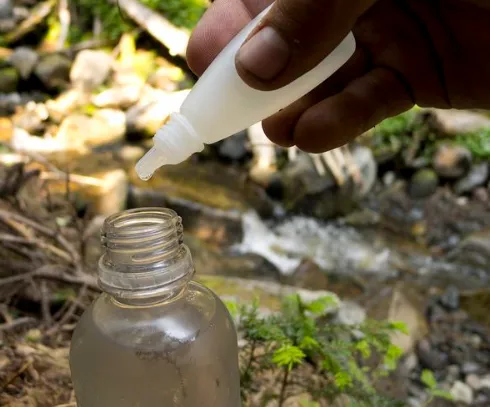
Chemical disinfectants such as iodine, chlorine, or chlorine dioxide are lightweight and easy to carry, making them ideal for backpacking or emergency use. However, their effectiveness depends on temperature, water clarity, and contact time.
- Iodine and Chlorine: Highly effective against bacteria and viruses, moderately effective against Giardia, but ineffective against Cryptosporidium. Avoid long-term use, especially for pregnant women or those with thyroid issues.
- Chlorine Dioxide: More effective overall, especially against Giardia and some protozoa. Allow at least 30 minutes for the disinfectant to work before drinking.
Combining filtration and chemical treatment provides the highest level of protection when boiling isn’t possible.
Ultraviolet Light (UV) Purification
Portable UV purifiers use light to neutralize microorganisms by disrupting their DNA. While UV devices are effective against most pathogens, they require clear water to work properly—turbid or cloudy water can block the light. Prefiltering is essential, and you must ensure that the UV unit has sufficient power and exposure time. Always follow manufacturer guidelines for proper use.
Other Options: MIOX and Oxidant Systems
MIOX (mixed oxidant) systems create a disinfectant from a salt solution, producing chlorine-based oxidants that effectively kill most bacteria and viruses. Their effectiveness against protozoa is moderate, so combining them with filtration is recommended for complete treatment.
Key Guidelines for Safe Water Treatment
- Boiling: The most dependable method—boil for one minute, or three minutes above 6,500 feet.
- Filtration: Use a 1-micron or smaller filter for protozoa; supplement with chemicals for viruses.
- Chemical Disinfection: Effective but variable—follow directions carefully and allow proper contact time.
- UV Purification: Works best in clear water with low turbidity.
- Combination Methods: When in doubt, filter first and disinfect second for maximum safety.
Sanitation and Hygiene in the Backcountry
Even with clean water, poor sanitation can lead to contamination. Follow these hygiene practices to stay safe:
- Bury human waste at least 8 inches deep and 200 feet from any water source.
- Always wash hands with soap or sanitizer before eating and after using the toilet.
- Keep waste and food preparation areas separate to avoid cross-contamination.
Final Thoughts
Clean water is non-negotiable in any survival or travel situation. Whether you’re trekking through the wilderness or exploring a remote village, knowing how to purify your water could prevent life-threatening illness. Boiling is the simplest and most effective solution, but combining filtration and disinfection offers the best protection when resources are limited. Stay prepared, stay cautious, and always treat your water before you drink it.