

 By
By Finding safe drinking water is one of the most critical skills for survival in the wild. Whether you’re lost on a hike, stranded after an accident, or simply exploring remote terrain, water should be your first priority. The human body can only survive about three days without it, and dehydration can set in long before that. Knowing where and how to find clean water can mean the difference between life and death.
Understanding Your Body’s Water Needs
An average adult requires at least two quarts of water per day, but survival situations often increase that need. Physical exertion, heat, wind, or dry air can accelerate dehydration, even in cold climates where you may not feel as thirsty. Remember that dehydration doesn’t always announce itself—it begins quietly and escalates quickly, leading to fatigue, confusion, and eventually collapse.
Locating Natural Water Sources
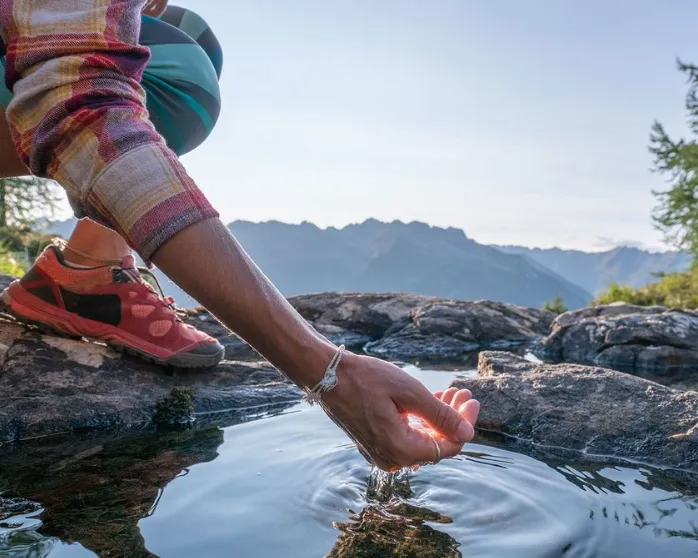
The first step is to find a reliable source. Look for signs of life—animal tracks, lush vegetation, or swarms of insects—all indicators that water is nearby. Birds also fly toward water at dawn and dusk, so watching their movement can guide you. Follow valleys or depressions, since water always flows downhill.
If you hear running water in the distance, follow the sound carefully. Streams, rivers, and lakes are ideal, but they’re not the only options. In muddy or low-lying areas, you can dig a shallow hole about a foot deep and let groundwater seep in. The water may be cloudy at first, but straining it through a piece of fabric can make it drinkable temporarily until you can purify it.
Collecting Rain and Dew
Rainwater is one of the safest natural sources to drink, especially in remote regions. Use any available container to collect it, or stretch a poncho, tarp, or piece of plastic at an angle to direct the water into a container. If containers are unavailable, create a sag in the plastic to catch the rain and use it as a makeshift reservoir.
In the early morning, heavy dew can also provide a small but valuable water supply. Wrap absorbent cloth around your lower legs and walk through tall, damp grass. Wring out the fabric into a container and repeat until you have enough to drink.
Using Ice, Snow, and Plants
Snow and ice can be excellent water sources, but always melt them before drinking. Eating them directly will lower your body temperature, which can accelerate hypothermia. Melted snow should still be purified if possible. In coastal environments, look for older, bluish sea ice rather than sharp-edged, milky-white ice, which is still salty.
Plants can also yield water. Many types of bamboo, vines, and certain palms store liquid inside. To collect bamboo water, bend a green stalk, tie it down, and cut a few inches off the top—clear water will drip out overnight. Fruits like coconuts and edible cacti can also help keep you hydrated.
What Not to Drink
In desperation, people often make poor choices that worsen dehydration. Never drink saltwater, urine, blood, alcohol, or raw fish fluids. These will strain your kidneys and increase fluid loss. Avoid fresh sea ice, which retains salt, and be cautious with stagnant or foul-smelling water sources.
Simple Water Collection Methods
If you can’t find surface water, you can still collect it from the environment. A solar still is one reliable method. Dig a three-foot-wide hole in a sunny, damp area. Place a container in the center, cover the hole with clear plastic, and secure the edges with soil. Place a small rock in the center of the plastic so it forms a cone shape over the container. As moisture evaporates and condenses, it will drip down into your cup. Adding green leaves inside the hole can boost water production.
Alternatively, you can use the transpiration method. Tie a clear plastic bag over a leafy branch in the morning and weight the bottom with a small stone. Throughout the day, moisture from the plant will condense and collect in the bag. The taste may vary depending on the plant, but the water is safe if the vegetation is non-toxic.
Beach Wells and Coastal Sources
If stranded near the ocean, dig a beach well in the sand behind the first dune, roughly 100 feet from the tide line. Within hours, filtered freshwater will seep in. If it tastes salty, dig farther inland behind the next dune until the water becomes drinkable. Line the sides with sticks or rocks to prevent collapse.
Purifying the Water
No matter where you find it, assume all water needs purification. The safest and most effective method is boiling. Keep the water at a steady boil for at least ten minutes to kill parasites and bacteria. If you lack a metal pot, improvise with a tin can, shell, or even a completely full plastic bottle placed near hot coals—water absorbs heat faster than the plastic can melt.
If boiling isn’t possible, use purification tablets or drops. Iodine and chlorine tablets are compact, easy to use, and kill most pathogens. Allow at least 30 minutes for them to work. Strain sediment first using cloth or sand filters to improve clarity and taste. Portable filters and purifiers are also valuable additions to any survival kit; filters remove bacteria, while purifiers eliminate both bacteria and viruses.
Avoiding Waterborne Diseases
Never underestimate the dangers of contaminated water. Pathogens like Giardia lamblia and Cryptosporidium are common in wilderness water and can cause severe gastrointestinal illness. Symptoms include nausea, cramping, and prolonged diarrhea—conditions that can be deadly in a survival situation. Always purify, even if the water looks clean.
Final Thoughts
In the wilderness, water is life. Finding and purifying it should be your top priority, whether you’re stranded for a few hours or several days. Understanding how to locate, collect, and make it safe to drink can transform a desperate situation into a manageable one. Preparation, awareness, and a calm approach will always be your greatest survival tools.