

 By
By Talking about survival is easy—living through it is another story. Real survival isn’t about having the flashiest gear or building an impressive kit; it’s about keeping a clear head, making smart decisions, and maintaining control when everything seems uncertain. The following tips are not theoretical—they’re drawn from hard-earned experience and practical lessons that hold up when it matters most.
Stay Calm
Panic is your worst enemy in any emergency. When fear takes over, your judgment falters, and small mistakes can quickly snowball into major problems. The first thing to do when you realize you’re in trouble is to stop. Take slow, deep breaths, assess your surroundings, and think before you act. Staying calm helps you conserve energy and make rational decisions—the calmest person in a bad situation is usually the one who survives it.
Know Your Priorities
Survival is all about order and focus. The “Rule of Threes” offers a clear framework: you can live three minutes without air, three hours without shelter in harsh conditions, three days without water, and three weeks without food. Understanding this order helps you concentrate on what’s most critical at any given moment. Shelter keeps you alive long enough to find water, and water sustains you until you can locate food. Lose sight of that order, and even the best equipment won’t save you.
Shelter: Protect Yourself from the Elements
Shelter isn’t about luxury—it’s about staying alive. Exposure to cold, heat, or wind can sap your strength faster than hunger ever will. Build something simple that blocks the wind and insulates your body heat. Even a quick lean-to or debris hut can make the difference between life and death. Focus on functionality, not perfection. Your goal is protection, not comfort.
Water: Find and Purify
Dehydration can creep up long before you feel thirsty. Learn how to find water before you reach that point. Flowing sources like streams are usually safer than stagnant ones, but never assume water in the wild is clean. Always purify it by boiling, filtering, or using purification tablets. Carry multiple purification options in case one fails—untreated water can cause illness that drains your strength when you need it most.
Food: Keep It Simple
In short-term survival, food is less urgent than people often think. Still, knowing where to find it provides both energy and confidence. Learn to identify local edible plants before you ever need to rely on them. Foraging, fishing, or small-game trapping can be useful skills, but always weigh the energy spent against the potential gain. Sometimes conserving strength is more valuable than hunting for a meal.
Fire: Your Lifeline
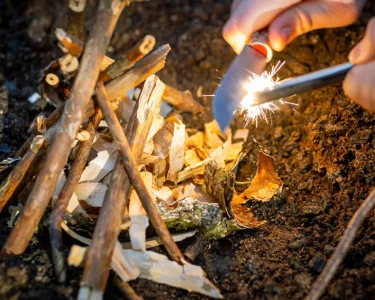
Fire provides warmth, light, and morale—it’s one of your best tools for survival. But starting one in harsh conditions can be difficult. Always gather more tinder and kindling than you think you’ll need—then double it. Practice lighting fires in wet and windy conditions so that when you truly need it, you’re ready. The ability to make fire quickly and confidently can mean the difference between comfort and crisis.
First Aid: Be Ready for Injury
Even a minor injury can become a major issue in the wild. Learn how to stop bleeding, clean wounds, and treat for shock. A twisted ankle, deep cut, or infection can turn a manageable situation into an emergency. Take the time to get proper first aid training, and always carry a compact medical kit suited for the environment you’re in. Survival isn’t about heroics—it’s about being capable when someone’s hurt.
Navigation: Don’t Lose Your Way
Getting lost is easier than most people think. Technology can fail—batteries die, GPS signals vanish—so learn to navigate the old-fashioned way. Know how to read a map, use a compass, and recognize natural landmarks. Regularly check your bearings as you move. The best way to survive being lost is to prevent it from happening in the first place.
Stay Positive
A strong mindset can carry you farther than any tool. Negativity spreads quickly and drains energy from everyone involved. Staying positive doesn’t mean ignoring danger—it means focusing on what you can control. Humor, gratitude, and small victories keep morale high. Maintaining mental strength is just as important as meeting physical needs.
Keep Learning
Survival isn’t a skill you master once—it’s a lifelong practice. Every outing is an opportunity to learn something new. Test your limits in controlled environments: build fires in bad weather, navigate without electronics, or spend a night using only the essentials you can carry. Real experience replaces fear with understanding and builds the confidence that can save your life.
Survival, at its core, is about adaptability. It’s not about being fearless—it’s about staying focused when fear hits. With practice, preparation, and the right mindset, you can turn a potentially deadly situation into one you’re equipped to handle.