

 By
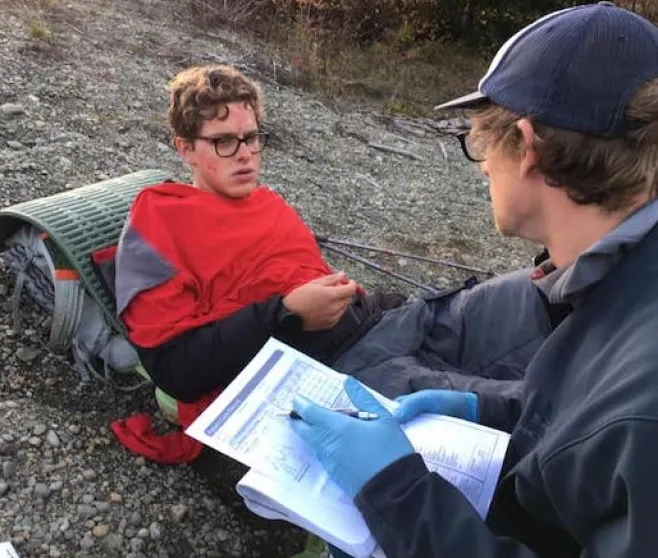
By When you’re the first responder in a remote or wilderness setting, knowing how to quickly assess a patient’s condition can mean the difference between life and death. The ABCDE Primary Survey is a systematic approach to evaluating critical medical situations, ensuring that the most life-threatening injuries are addressed immediately. Whether you’re miles away from help or deep in the wilderness, this method helps prioritize care effectively.
The Purpose of the Primary Survey
The primary goal of this survey is to identify and address any life-threatening conditions as quickly as possible. In trauma or emergency situations, time is of the essence. Whether it’s a significant injury, a medical condition, or an altered level of consciousness, the ABCDE survey helps ensure that you prioritize the most critical issues first.
The ABCDE System: A Structured Approach
The ABCDE Primary Survey guides responders through a rapid evaluation of the patient’s condition. The acronym stands for:
- A – Airway
- B – Breathing
- C – Circulation
- D – Disability
- E – Environment (or Exposure)
This method should be used even if the patient appears stable. For those who seem well, it can be a quick check. For those in critical condition, every second counts. If you identify a life-threatening issue during the survey, stop and treat it immediately before moving on.
Step 1: Airway
The first thing to assess is the airway. Without a clear airway, oxygen cannot reach the lungs, and life-threatening complications can arise. Signs of airway obstruction might include:
- Blood, vomit, or foreign objects in the mouth
- Inability to speak or communicate clearly
- Gurgling or choking sounds
If the patient is conscious, ask them to speak. If they can talk clearly, their airway is likely open. If they are unable to speak, use the head-tilt, chin-lift method to clear any visible obstructions and ensure the airway is open.
Step 2: Breathing
Once the airway is clear, assess the patient’s breathing. Look for the following:
- Is the chest rising and falling evenly?
- Are they breathing too fast, too slow, or gasping for air?
- Are their breath sounds clear, or are they struggling?
If the patient is not breathing, begin rescue breathing immediately. If the breathing is irregular or weak, provide assistance as necessary. Supplemental oxygen might be needed if available.
Step 3: Circulation
Next, check the circulation. This includes checking for:
- Pulse (is it strong or absent?)
- Skin color and temperature
- Signs of major bleeding or shock
If there’s no pulse, start CPR right away. For visible bleeding, apply pressure to control it. You should also be alert for signs of internal bleeding or shock, which may require immediate attention.
Step 4: Disability
After stabilizing the airway, breathing, and circulation, assess the patient’s neurological function. This involves checking:
- The level of consciousness (is the patient alert, confused, or unconscious?)
- The ability to move their fingers and toes
- Pupil size and reaction to light
You can use the AVPU scale (Alert, Verbal, Pain, Unresponsive) or Glasgow Coma Scale for more detailed assessments, if trained. A quick neurological check helps identify potential head injuries or neurological conditions like stroke.
Step 5: Exposure/Environment
Finally, consider the environment. Environmental factors, such as exposure to cold or heat, can worsen a patient’s condition quickly. Check for:
- Hypothermia or hyperthermia
- Wet clothing or other environmental hazards
- Any injuries that might have been missed in earlier assessments
Make sure to protect the patient from the environment—warm them up if they’re cold, provide shelter from the elements, and remove any wet clothing if needed.
Why the ABCDE Approach is Essential in Wilderness First Response
In remote or wilderness settings, you may be the first—and possibly only—person available to provide care. The ABCDE Primary Survey gives you a structured, methodical way to assess and treat critical injuries, ensuring you don’t miss anything vital in the chaos of an emergency. This approach not only helps prioritize life-threatening conditions but also ensures that you stay calm, focused, and effective under pressure.
By using the ABCDE system, you:
- Ensure no aspect of care is overlooked
- Treat the most serious conditions first
- Stay organized and composed during stressful situations
In wilderness settings, this structured approach could ultimately save a life, making the ABCDE Primary Survey an indispensable tool for any Wilderness First Responder.