

 By
By Winter in the Colorado Rockies can be both stunning and unforgiving. Beneath the sparkling snow and crisp mountain air lies an often-overlooked challenge—staying hydrated. Whether you’re skiing, hiking, or simply exploring, understanding how to find, purify, and preserve water in freezing conditions is essential for safety and comfort.
The Hidden Risk of Winter Dehydration
Cold weather tends to dull our sense of thirst, tricking many into drinking less. Yet, your body loses moisture through sweat and breath even in frigid temperatures. Combine that with increased physical exertion, and dehydration can creep up fast. Symptoms like fatigue, dizziness, and dry mouth might seem mild at first, but they can escalate quickly in the mountains.
Finding and Preparing Water in Snowy Conditions
In the Rockies, water sources can be deceptive. Streams may be frozen, and snow—though abundant—must be treated before drinking. Always melt snow rather than eating it directly, as consuming it cold lowers your body temperature and wastes valuable energy. Use fresh, clean snow whenever possible and melt gradually to avoid burning your cookware. Ice, when available, is an even better source since it yields more water for the same volume.
Even pristine snow isn’t necessarily pure. Melted snow or ice should always be treated—either by boiling, filtering, or using purification tablets. A portable filter works well but keep it from freezing by storing it near your body. Boiling is the most foolproof option; just remember to extend the time at higher altitudes.
Smart Hydration Habits in the Cold
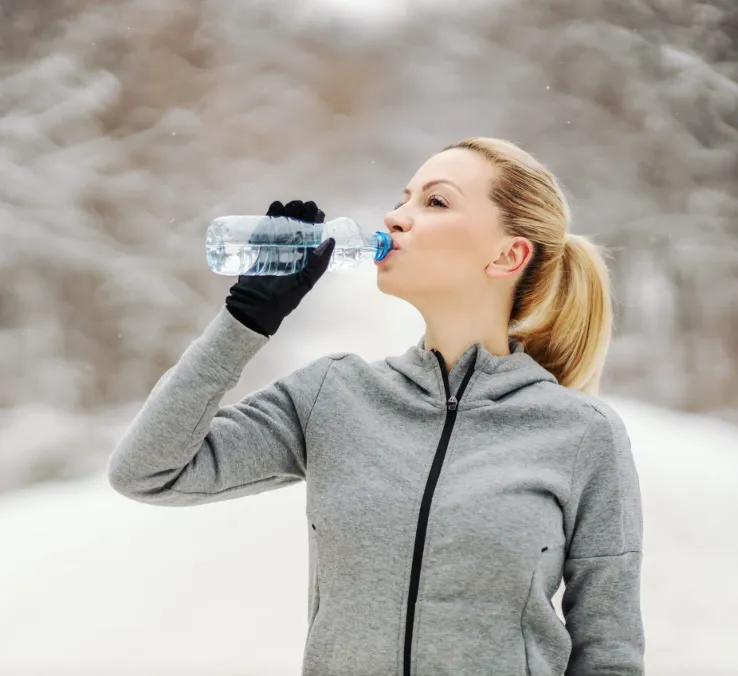
To prevent dehydration, plan ahead. Bring extra water, and carry insulated bottles to keep it from freezing. Set reminders to sip regularly—even when you’re not thirsty—and add electrolyte powders or fruit flavoring to make water more appealing. Avoid caffeine and alcohol, both of which can dehydrate you faster.
A Warm Alternative: Pine Needle Tea
If you’re craving something warm, make pine needle tea—a natural source of vitamin C and flavor. Choose fresh needles from safe species like Blue Spruce or most common pines (avoid Ponderosa Pine). Chop them, steep in hot water for about ten minutes, and enjoy a refreshing, healthful drink that boosts both morale and immunity.
How Snow Can Keep Your Water From Freezing
Surprisingly, snow can act as an insulator. Because it traps air, burying your water bottle in snow can prevent it from freezing overnight. For best results, place it upside down—water freezes from the top first. Mark the spot clearly, and use a wide-mouth bottle to make handling easier in the cold.
The “Water Generator” Trick
When fuel is limited, create a simple snow-melting system using a campfire and some fabric. Suspend the cloth like a sling above the fire, fill it with snow, and place a pot below to catch the melted water. It’s a low-tech but efficient way to keep your supply flowing without eating snow.
Why You Should Never Ration Water
Many believe stretching water will help it last, but this approach backfires. Your body needs adequate hydration to function efficiently. Dehydration slows you down, clouds your judgment, and saps your energy. Drink what you need when you need it—and focus on finding more rather than conserving too little.
A Candid Survival Topic: Dealing With Pee
Despite survival myths, drinking urine is never safe—it contains salts and toxins that worsen dehydration. Also, don’t hold it in; your body wastes heat maintaining bladder warmth. Emptying your bladder before sleeping helps you conserve energy and stay warmer through the night. Monitor urine color—it’s a reliable hydration indicator. Light yellow is ideal.
Alcohol and the Cold: A Dangerous Mix
That celebratory sip of whiskey might feel warming, but it’s deceiving. Alcohol dilates blood vessels, drawing heat away from your core. It also promotes fluid loss through increased urination. In cold climates, alcohol is a recipe for dehydration and hypothermia, not comfort. Stick with water or herbal tea until you’re back indoors.
The Role of Humility and Preparation
Overconfidence in the wilderness can be dangerous. Even experienced hikers underestimate winter’s toll on hydration. For newcomers, a bit of knowledge goes a long way—simple skills like melting snow safely and keeping water from freezing can make all the difference between a good story and a survival ordeal.
Final Thoughts: Hydrate to Thrive
Mastering winter hydration isn’t just about survival—it’s about making the most of your adventure. From crafting pine needle tea to using snow as insulation, every tip helps you stay strong, alert, and warm. So, before you hit the trails or slopes, remember: hydration is as vital as your gear. Stay smart, stay hydrated, and let the Rockies reward you with their beauty—safely and fully.