


 By
By Winter in the Colorado Rockies is a breathtaking spectacle, with snow-covered peaks and serene landscapes. However, the harsh conditions can turn it into an unforgiving environment, where even the slightest lack of preparation can put you at risk. Whether you’re skiing, snowshoeing, or just exploring the wilderness, pre-trip planning is crucial for a safe and enjoyable winter adventure. In this first part of our Winter Survival series, we’ll dive into the importance of thoughtful planning, as well as essential steps to ensure you’re fully prepared before venturing into the Rockies’ snowy expanse.
Why Pre-Trip Planning is Crucial
Picture this: You’re at 10,000 feet, in sub-zero temperatures, and a blizzard is quickly approaching. Suddenly, you realize you forgot to pack a critical item or failed to consider a weather shift. Now imagine the consequences in this extreme setting—pre-trip planning is not just an option, it’s a life-saving necessity.
Winter weather in the Rockies is unpredictable, and conditions can change without warning. Snowstorms, high winds, and dropping temperatures are all common, and they can quickly turn your adventure into a hazardous situation. Good planning helps mitigate these risks, keeps you safe, and ensures you’re ready for anything the mountain throws at you.
The Fundamentals of Pre-Trip Planning
1. Monitor Weather and Avalanche Reports
Before heading out, it’s essential to stay updated on the weather and avalanche conditions. Colorado’s weather can shift rapidly, and being caught off-guard can be dangerous.
- Weather Forecasts: Use reliable sources like the National Weather Service or specialized mountain weather services to get localized, accurate forecasts.
- Avalanche Reports: For anyone venturing into snowy terrain, checking the Colorado Avalanche Information Center’s daily updates is crucial, even if you’re not a skier. Snowshoers and hikers can be at risk in avalanche-prone areas, too.
Key points to focus on:
- Temperature: Plan for extreme cold and rapid temperature drops.
- Wind: Winds can increase hypothermia risk, and high winds often create unstable snow conditions.
- Snow Accumulation: Fresh snow elevates avalanche risks.
- Storm Timing: Know when storms are expected so you can avoid being caught in one.
- Visibility: Poor visibility can make navigation difficult.
- Driving Conditions: Check road conditions, closures, and potential hazards on your route to the trailhead.
2. Share Your Itinerary with a Reliable Contact
A simple but vital safety measure: make sure someone knows where you’re going and when to expect you back. This is essential in case something goes wrong and you can’t call for help.
When sharing your itinerary:
- Route Details: Specify your planned trailheads, waypoints, and any stops along the way. Be clear if there are alternate routes but make sure to inform your contact immediately if you deviate.
- Return Time: Set a realistic return time and emphasize when they should alert authorities if you don’t check in.
- Group Information: Provide contact details for everyone in your group.
- Vehicle Info: Include the make, model, and license plate number of your vehicle.
- Clothing and Gear: Describe what you’re wearing to help searchers identify you more easily.
- Emergency Plan: Include what steps you’ll take if something goes wrong, such as staying put or heading toward a safe location.
3. Embrace Technology for Extra Safety
In addition to a detailed itinerary, modern technology can add an extra layer of security. GPS tracking and emergency communication tools, like the Garmin InReach or SPOT, let you share your real-time location with your contact person, so they can monitor your progress and alert authorities if necessary.
Key features to look for:
- GPS Tracking: Your contact person can track your location in real-time, which helps rescuers find you faster if needed.
- Two-Way Communication: These devices allow you to send and receive messages, so you can update your contact on your status or any changes to your plans.
- SOS Features: In an emergency, an SOS button sends a distress signal to rescue teams with your exact location.
However, it’s important to understand that rescue operations in the mountains can take time, especially in severe weather. Even with an SOS signal, it may take hours—or even days—before help arrives, depending on the weather and terrain.
4. Understanding the Challenges of Winter in the Rockies
The Colorado Rockies’ winter beauty masks a harsh and unpredictable environment. Being prepared for the unique challenges of this terrain can make all the difference in your adventure.
Altitude
The high elevation of the Rockies can cause altitude sickness, even in seasoned adventurers. Symptoms like nausea, headaches, and fatigue can arise unexpectedly. To help prevent altitude sickness, consider spending a night or two at a moderate elevation before heading into higher terrain. Additionally, staying hydrated is crucial, as the dry, cold air can dehydrate you faster than you might realize.
Snowpack Hazards
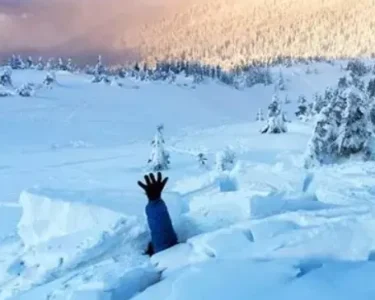
Snow can cover potential dangers like unstable snow bridges or hidden drops. Some areas may be prone to avalanches, even if they seem safe. Always check avalanche forecasts and plan your route to avoid steep slopes or areas known for instability. For peace of mind, consider taking an avalanche awareness course.
Limited Daylight
Winter days in the Rockies are short, meaning you’ll have less time to complete your hike or trek. Planning ahead is key to ensuring you finish your activities before dark. If you’re caught out after sunset, the temperature drops rapidly, and navigating in the dark becomes far more difficult.
Weather Uncertainty
The weather in the Rockies is notoriously unpredictable. What starts as a clear, sunny morning can quickly turn into a blizzard. Prepare for weather changes by packing extra layers, windproof gear, and emergency shelter. Keep a backup plan in mind, including potential exit routes, in case a storm makes your planned path impassable.
Packing for a Safe Trip
Packing for a winter adventure in the Rockies requires careful consideration. Here are a few essential items to include:
- Emergency Gear: Always bring a well-stocked first aid kit, high-calorie snacks, and backup heating sources (like chemical hand warmers).
- Navigation Tools: While GPS is useful, it’s essential to carry a map and compass as well, in case your devices fail.
- Overnight Gear: Always prepare as if you might need to spend the night. Include extra layers, a bivy sack or emergency blanket, and a waterproof shell.
- Weather Contingencies: Make sure to pack extra clothing and emergency shelter options in case the weather turns unfavorable.
Know Your Limits
Winter in the Rockies demands humility and self-awareness. Know your physical limits and skill level. Don’t let overconfidence lead you into dangerous situations. Be honest about what you can handle, and if you’re unsure about something—whether it’s navigating in poor visibility or handling extreme cold—seek out the necessary training before you embark.
Final Thoughts
Proper pre-trip planning is the foundation of a safe winter adventure in the Colorado Rockies. By understanding the terrain, weather, and unique challenges of winter travel, and preparing with the right gear, you can minimize risks and increase your chances of success. Remember, the wilderness is beautiful, but it’s unforgiving, so always respect its power by preparing thoroughly before you head out.