

 By
By When you’re out in the wilderness, your survival knife can quickly become your most essential tool. Whether you’re building shelter, preparing food, or crafting essential tools, having the right knife is crucial for your success and safety. At The Survival University, choosing the best survival or bushcraft knife is a key part of mastering the outdoor skills that will help you thrive in the wild. In this guide, we’ll walk through the most important features to look for when selecting a survival knife. We’ll also use “The Spirit” knife, designed by The Survival University and manufactured by Condor Knife & Tool, as an example of a high-quality blade that has been tested for rugged use.
Key Features of a Great Survival or Bushcraft Knife
Blade Material: Carbon Steel vs. Stainless Steel
The material of your knife’s blade plays a huge role in its performance, especially when used in harsh environments. It affects edge retention, rust resistance, and the ease of sharpening.
High-Carbon Steel:
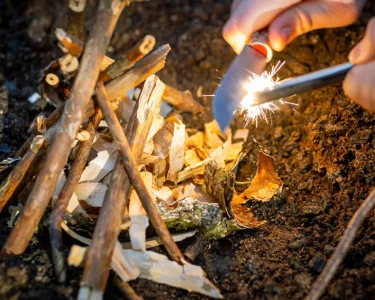
High-carbon steel is known for its sharpness and ease of sharpening, making it a favorite for survival knives. While it does require regular maintenance to prevent rusting, it’s also versatile enough to be sharpened on nearly any abrasive surface. Another bonus? You can even use it to strike a fire starter. High-carbon steel knives, such as the Spirit (which uses 1095 high-carbon steel), are ideal for long-term bushcraft and survival tasks. To keep them in top shape, drying them off after use and oiling the blade occasionally is key.
Stainless Steel:
Stainless steel knives are more resistant to rust, making them the better option for wet conditions, like during canoe trips or in salty environments. Although harder to sharpen than high-carbon steel, they tend to hold an edge longer, which makes them reliable for outdoor adventures that expose your gear to moisture.
Blade Length and Shape
For a survival or bushcraft knife, the blade length should typically be between 4 to 6 inches. This range offers enough cutting surface for various tasks without becoming too bulky. Blade shape is essential and depends on the tasks at hand. While the perfect blade shape is subjective, it’s important to consider how the knife will perform in the situations you’ll most frequently encounter.
Handle Material: Comfort and Grip
A knife’s handle material is just as important as its blade. It’s crucial that the handle feels secure and comfortable in your hand, particularly during extended use. A well-designed handle can prevent discomfort and even blisters, making it easier to work for hours.
Wood:
Traditionalists often favor wooden handles for their natural feel. However, wooden handles can be problematic in certain regions, especially when traveling internationally, as some customs regulations prohibit knives with bone or wood handles.
G-10 and Micarta:
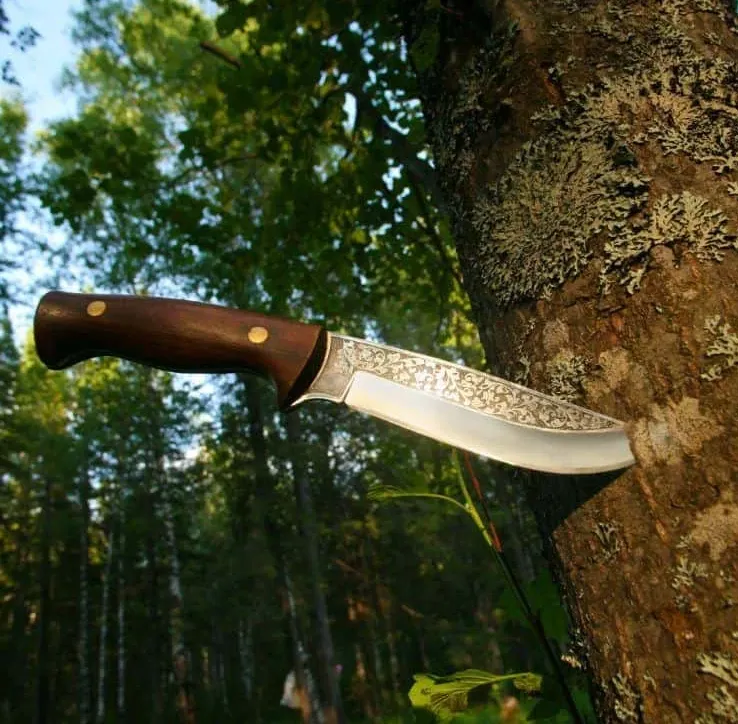
Synthetic materials like G-10 and Micarta are popular choices for knife handles. G-10 offers excellent grip and durability, while Micarta is moisture-resistant and highly resilient, making it ideal for harsh outdoor conditions. The Spirit knife features a Micarta handle, designed for comfort and durability, making it a great choice for users with different hand sizes.
Full Tang Construction: Strength and Durability
A knife with a full tang construction is highly recommended for survival and bushcraft. This means the blade extends through the entire length of the handle, offering superior strength and reducing the risk of breaking. Full tang knives are also easier to repair in the field, which is essential when you’re deep in the wilderness and need a reliable tool.
Blade Thickness: Balancing Strength and Precision
The thickness of your blade will impact its versatility. For survival and bushcraft tasks, a medium thickness (around 5/64 to 3/16 inches) is ideal. This range provides enough strength for chopping while still being nimble enough for finer tasks like carving or creating kindling.
The Spirit knife, with a blade thickness of 3.5mm, strikes an excellent balance. It’s strong enough to handle light chopping but still works well for more delicate tasks. If you need a knife for both woodcraft and food preparation, this thickness is a great all-around option.
Sheath Quality: Secure and Accessible
A good sheath is an essential part of any survival knife. It protects the blade, keeps it secure, and allows for easy access when needed. Whether you choose a leather or Kydex sheath, make sure it holds the knife securely. The Spirit knife comes with a Kydex sheath, which fits the blade snugly. However, if you’re looking for a more secure option, you can modify or create a custom sheath to better suit your needs.
Blade Shape and Grind
The grind and bevel angle of a knife blade determine how sharp and durable it is. Here’s a quick overview of the most common grinds:
Scandi Grind:
A flat bevel that tapers from the top of the blade to a sharp edge. It’s ideal for carving, whittling, and detailed woodwork, but not as strong for heavy tasks like chopping. The Spirit knife features this grind, making it great for precision tasks.
Convex Grind:
This grind has a curved shape that makes the blade strong and durable, perfect for chopping and batonning. While it’s a bit harder to sharpen, it’s excellent for tough work.
Hollow Grind:
The hollow grind creates a razor-thin edge, ideal for slicing and skinning. However, it’s less durable for heavy tasks and can be difficult to sharpen in the field.
Saber Grind:
A hybrid grind with a thicker spine and a tapered edge, perfect for durability. It’s great for tasks like chopping and general outdoor use.
The Spirit features a Saber Grind, which is a solid all-around option for most outdoor tasks. It offers the durability needed for tougher jobs, but still holds a sharp edge for more precise tasks.
Additional Considerations: Your Specific Needs
When choosing a survival knife, consider the environment you’ll be in. For wet, humid climates, stainless steel is a good choice, while high-carbon steel works well in dry, arid conditions. If you’re a student at The Survival University, you’ll want a versatile knife like the Spirit, which handles a variety of tasks and is suitable for both beginners and experienced outdoor enthusiasts.
Conclusion: A Knife for Every Adventure
Your survival knife is more than just a tool; it’s an essential part of your gear that helps you stay self-reliant and efficient in the wild. Whether you’re learning new skills at The Survival University or venturing into the wilderness, investing in a high-quality knife will empower you to face any challenge. When you find a knife that checks all your boxes—blade material, handle comfort, full tang, and the right grind—it’s more than just a piece of gear; it’s a tool that will serve you well in every outdoor adventure.