

 By
By In today’s unpredictable world, urban survival skills are crucial. Whether you’re dealing with blackouts, riots, or random acts of violence, knowing how to respond can make all the difference between safety and danger. This guide will walk you through practical, real-world scenarios and provide actionable tips to help you stay safe when the city turns chaotic.
Surviving the Urban Jungle: What You Need to Know
Urban survival isn’t about hoarding supplies or preparing for a doomsday scenario; it’s about staying composed and resourceful when everything around you falls apart.
It often starts with something small—a strange alert, a flicker of lights, or a strange noise in the distance. Soon, the power goes out, your Wi-Fi disconnects, and even your cell phone struggles to connect. News reports flood in, but no one can confirm the cause—maybe it’s a cyberattack or an overloaded grid. Looking outside, you notice the streets are dark, traffic is backed up, and people are starting to panic. That’s one version of the story. But sometimes, chaos strikes without warning, and it happens much faster than you’d expect.
Navigating Protests, Riots, and Civil Unrest
We’ve all seen the chaos of protests turning into full-blown riots. Streets are blocked off, businesses board up their windows, and sirens fill the air. In such situations, it’s easy to feel powerless. But urban survival is about knowing how to stay calm and act quickly, not to take sides or fight, but to find a way out.
Imagine you’re walking out of a grocery store, only to find yourself stuck between protesters marching down one street and riot police lining the other. What do you do when tear gas starts flying and your escape route is cut off? The key is to think clearly, avoid panicking, and act decisively.
Urban survival training doesn’t prepare you to fight but to make quick decisions that ensure your safety in a dangerous situation. In these volatile moments, knowing how to move and when to stay hidden could be what keeps you from getting caught in the chaos.
How to Defend Yourself Against Kidnapping
Kidnappings aren’t just something you see in movies. They happen every day, often in parking garages, during rideshares, or even when walking home late at night. Kidnapping attempts occur suddenly, and how you react in those first few seconds can determine whether you escape or not.
Urban survival includes understanding the warning signs. Look for things like vehicles parked oddly, someone blocking your path, or a stranger trying to isolate you. The moment a situation escalates, your reaction is key. It’s natural to freeze, but you can train your body to act—breaking the freeze response, using leverage to fight for space, and knowing when to run.
If someone attempts to abduct you:
- Recognize the warning signs early (oddly parked cars, someone trying to corner you).
- Break the freeze response with deliberate, practiced moves.
- Fight for space and use distractions to your advantage.
- Find cover or run to a safer location.
- Use your voice to alert bystanders and draw attention.
How to Handle a Traffic Jam During an Emergency
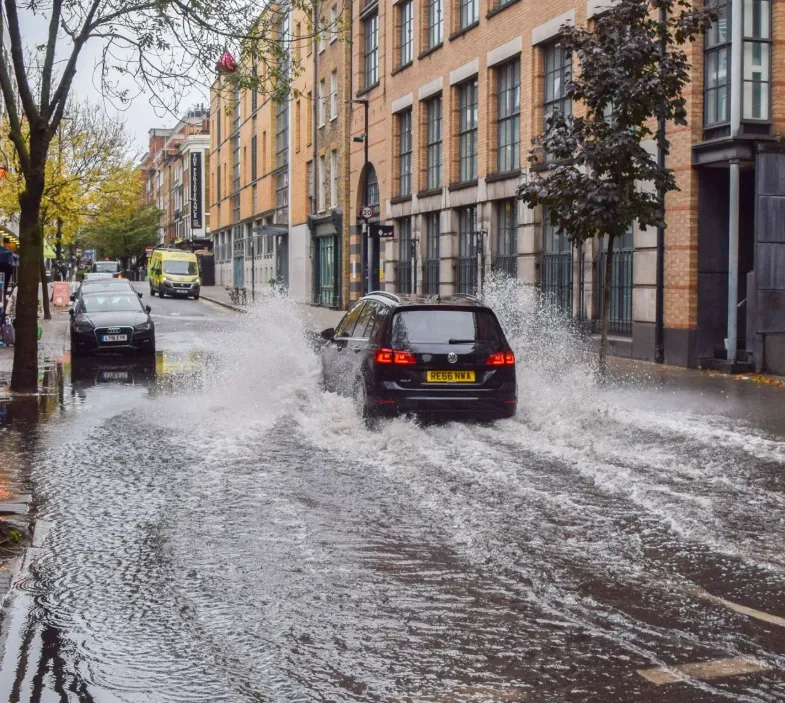
Imagine being stuck in gridlock traffic while reports of looting or flash mobs flood social media. Panic spreads quickly in cities, and sometimes, the best way out is not through the car door.
Urban survival means being prepared to react when things go wrong. Knowing how to navigate traffic jams, find alternative routes, or even abandon your vehicle can save you from getting trapped in a dangerous situation.
Here’s what to consider:
- Know alternative exits or side streets before you’re caught in traffic.
- Recognize when it’s safer to leave your vehicle behind.
- Watch for intersections that may become choke points.
- Avoid emotional, herd-like decisions and stay level-headed.
- Shelter in place only if there’s no other safe option.
Stuck in a Protest Clash While Running Errands
Picture this: you’re out running errands, and the streets are calm. But by the time you step outside, you find yourself caught in a protest that quickly escalates into a full-on clash. The streets are blocked, sirens blare, and tensions rise.
In these situations, it’s easy to feel overwhelmed. But training matters. The moment you’re caught in a conflict zone, the right decisions are critical. Understanding how to read body language, stay calm, and make your exit without drawing attention could be your safest bet.
How to Tell If You’re Being Followed and What to Do
Being followed is a common, yet unsettling experience for many urban dwellers. Whether it’s after a trip to the pharmacy or while walking home late at night, it’s important to recognize the signs early. If someone’s been tailing you for blocks, it’s time to take action.
Urban survival includes recognizing pre-assault behaviors and knowing how to respond. Avoid panicking, don’t confront the person, and avoid placing yourself in a vulnerable position. Instead, create space, move to a more populated area, or enter a store if necessary.
Key Urban Survival Skills That Could Save Your Life
While having the right gear is important, urban survival is largely about your mindset. Are you someone who freezes when chaos breaks out, or do you remain calm and think critically?
Here’s what to remember:
- Always be aware of your exits.
- Read the crowd and assess the tone of the situation.
- Stay calm under pressure and make rational decisions.
- Don’t rely solely on your phone or tech to navigate or communicate.
When you find yourself stuck in an unfamiliar or potentially dangerous situation, knowledge is more important than gear. The ability to assess a crowd, read a situation, and act swiftly can mean the difference between safety and risk.
Common Urban Survival Scenarios
Civil unrest often happens suddenly and without warning. A peaceful protest can quickly devolve into chaos. In these moments, being unprepared can make you an easy target. Here’s what you should avoid:
- Wearing identifying colors in the wrong part of town.
- Trying to document the chaos on your phone instead of moving.
- Engaging with a mob or trying to reason with angry individuals.
- Wandering aimlessly in areas that are becoming dangerous.
- Using your phone to navigate, making you a vulnerable target.
Urban survival is about knowing how to blend in, keep your distance when needed, and make smart decisions without attracting unwanted attention.
Why Most People Don’t Prepare Until It’s Too Late
The unfortunate truth is that many people won’t prepare for these situations until they’re already in the thick of them. While some will read this and take action, most will ignore the signs until it’s too late. But there’s always that one person who prepares—who says, “I don’t want to be caught off guard.”
Urban survival isn’t about fearing the worst; it’s about being prepared for when things go wrong. Whether it’s a blackout, a protest, or a sudden outbreak of violence, the goal is to stay safe, calm, and decisive.
Conclusion: Stay Safe When the City Turns Chaos
Cities are built for convenience, but when that convenience disappears, most people panic. You don’t have to be one of them. By developing the right mindset and learning key survival tactics, you can stay calm, move efficiently, and ensure your safety when the unexpected happens.
Urban survival isn’t about bunkers or stockpiling gear. It’s about being prepared for the realities of modern life and knowing how to stay safe when everything else falls apart.