

 By
By In the mountains, nature’s beauty can be deceiving. For hunters, anglers, and hikers, the wild is a sanctuary of peace and challenge. But sometimes, the same mountains that offer solace can turn deadly. Recently, two hunters in Colorado, Andrew Porter and Ian Stasko, tragically lost their lives during a lightning storm. This incident, along with other similar events, serves as a powerful reminder of how dangerous lightning can be for those in the outdoors. The question we must ask ourselves: Could these deaths have been prevented, and what lessons can we learn?
The Overlooked Danger of Lightning
Lightning is one of the most underestimated threats in outdoor environments. When preparing for an excursion, people often focus on more tangible dangers: wild animals, getting lost, or dealing with gear failures. However, lightning is just as deadly—and it can strike without warning. Each year, numerous hunters, hikers, and fishermen lose their lives due to lightning strikes or the confusion and exposure they experience when caught unprepared.
The story of Andrew and Ian, like so many others, is not about blaming the victims, but learning from their experiences. The fact is, lightning is often far more dangerous than we realize.
Lightning’s Unpredictable Path
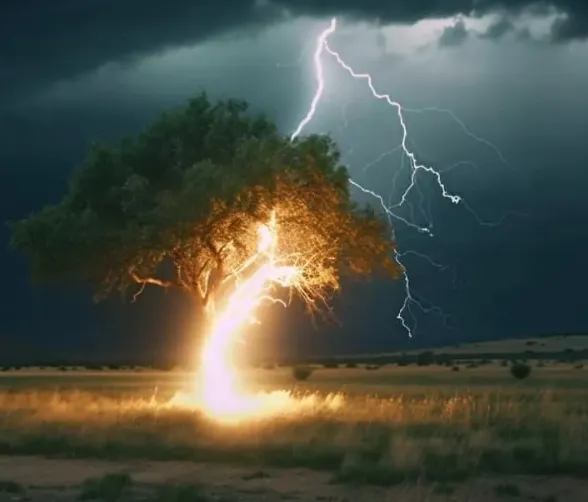
A direct strike from lightning isn’t the only threat. The energy from a bolt can travel through the ground, water, and even trees, with enough power to cause serious harm or even death. This danger zone extends much further than most people expect, and lightning doesn’t always follow predictable paths. A bolt that strikes a tree hundreds of feet away can still reach you in an instant, travelling through the ground or the moisture underfoot.
One way to gauge the distance of a storm is to count the seconds between a lightning flash and the sound of thunder. Divide that number by five to estimate how many miles away the strike occurred. If the thunder comes within 30 seconds, the storm is dangerously close—within six miles. But remember, lightning can strike far from the storm itself, sometimes even 10 miles or more. If you can hear thunder, you’re already close enough to be at risk.
The Psychology of Risk
One of the most dangerous parts of dealing with a storm in the outdoors is how our minds react to it. Often, we convince ourselves that the storm won’t pose a real threat, especially if we’ve been through similar situations before. Psychologists refer to this as “Normalcy Bias”—the tendency to assume that things will stay as they always have. Combine that with “Optimism Bias”—the belief that “it won’t happen to me”—and you get a dangerous mix.
These mental biases can delay important decisions. A few extra minutes on a ridge or one last cast can seem harmless, but in the presence of lightning, hesitation can be deadly. It’s crucial to recognize that your mind might try to downplay the risk. When you hear thunder, that’s the time to act, not the time to negotiate with yourself.
What to Do When Lightning Strikes
If you’re caught in the open and can’t reach shelter, there are steps you can take to reduce your risk:
- Spread out: If you’re with others, stay at least 50 to 100 feet apart to ensure that if one person is struck, others can help.
- Avoid holding hands: If you’re with children or others, don’t hold hands. Lightning can travel through the current from one person to another.
- Stay away from tall objects: Don’t take shelter under trees, tall poles, or ridge edges—lightning often targets the highest point.
- Crouch in the safest position: If you’re caught in the open, crouch low to the ground with your feet close together, balance on the balls of your feet, and cover your ears. Avoid lying flat, as it increases the surface area your body exposes to the current.
- Get rid of metal: If you’re carrying anything metal, such as a rifle, fishing rod, trekking poles, or an umbrella, put it down and move away from it immediately.
- Move to lower ground: Lightning strikes high points, so try to get lower, but avoid waterlogged areas or wet soil, as lightning can travel through the ground.
The “Safer” Ground: Finding Shelter
If you’re deep in the backcountry without access to a building or vehicle, your goal should be finding the least dangerous location, rather than a perfectly safe one. In a lightning storm, true safety comes from being inside a fully enclosed structure or metal-topped vehicle, but out in the wild, you have to make do.
Avoid exposed ridgelines or meadows where you are the tallest object. Instead, move to a shallow valley or a depression surrounded by trees of similar height. Choose a spot that is higher than running water, as lightning can travel through wet soil, creeks, or streams. If possible, clear away rocks or branches that could injure you if you are knocked over by a nearby strike.
Even though there’s no foolproof shelter in the wild, small decisions—getting lower, spreading out, and minimizing contact with the ground—make a big difference. The key is to stay alive until the storm passes.
Lessons from the Lake
Let’s pause for a moment and consider a scenario that many outdoors enthusiasts might be familiar with: fishing. Imagine you’re standing in a lake, enjoying the peace and serenity, when dark storm clouds begin to roll in. You know you should head for shore, but the thought of one last cast keeps you there.
The next moment, a bolt of lightning strikes the lake, and everything changes. The electricity races across the water, with no mercy or warning. The same water that gives life to fish now becomes a conductor for lightning’s deadly power. I learned this lesson early on when a friend’s father was struck while fishing and never made it back. He wasn’t reckless—just human, caught between calm waters and a storm that arrived faster than expected.
This lesson is simple: if a storm is coming, don’t wait. Get out of the water immediately. The fish will be there another day, but your safety and well-being should always come first.
The Importance of Preparedness
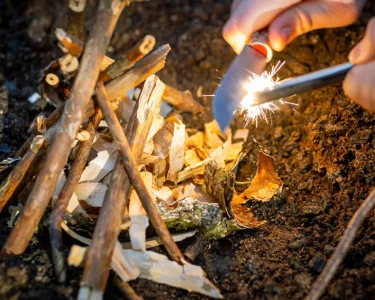
While you can’t prevent lightning from striking, you can be prepared for the aftermath. Proper gear, like a reliable rain layer, insulating clothing, fire-starting tools, and navigation aids, can make the difference between comfort and life-threatening danger. In a storm, these essentials allow you to keep moving toward safer ground, rather than hunkering down in a dangerous spot.
Preparedness isn’t about hoarding every item you might need; it’s about carrying what’s essential for staying safe. A small fire kit, for example, can be the difference between freezing and staying warm through a long storm. Rain gear can keep you dry enough to move and find shelter, even in adverse conditions.
The Final Lesson: A Call for Respect
When Andrew Porter and Ian Stasko’s story first emerged, I reflected on what likely happened: they had prepared well for their trip, but a series of bad decisions in the face of a rapidly changing storm led to tragedy. They made the choice to venture out one last time, unprepared for what the weather would bring.
I believe this story teaches us how quickly circumstances can change and how fragile our safety truly is. We can all learn from these tragedies by respecting the forces of nature and making safety a priority, even when conditions seem manageable.
Conclusion: Respect the Mountains
The mountains don’t care how skilled or prepared you are. Nature sets the rules. If anything can be learned from the tragic losses of Andrew, Ian, and countless others, it’s that lightning is a force that demands respect. Whether you’re in the wilderness or on a fishing lake, always prioritize safety over convenience. The outdoors is full of lessons, and sometimes, the hardest lessons come from the most painful experiences. May we all be better prepared for the storms ahead.